Saint Bernard as a Therapy Dog
Register Any Breed
Saint Bernard as a Therapy Dog Overview
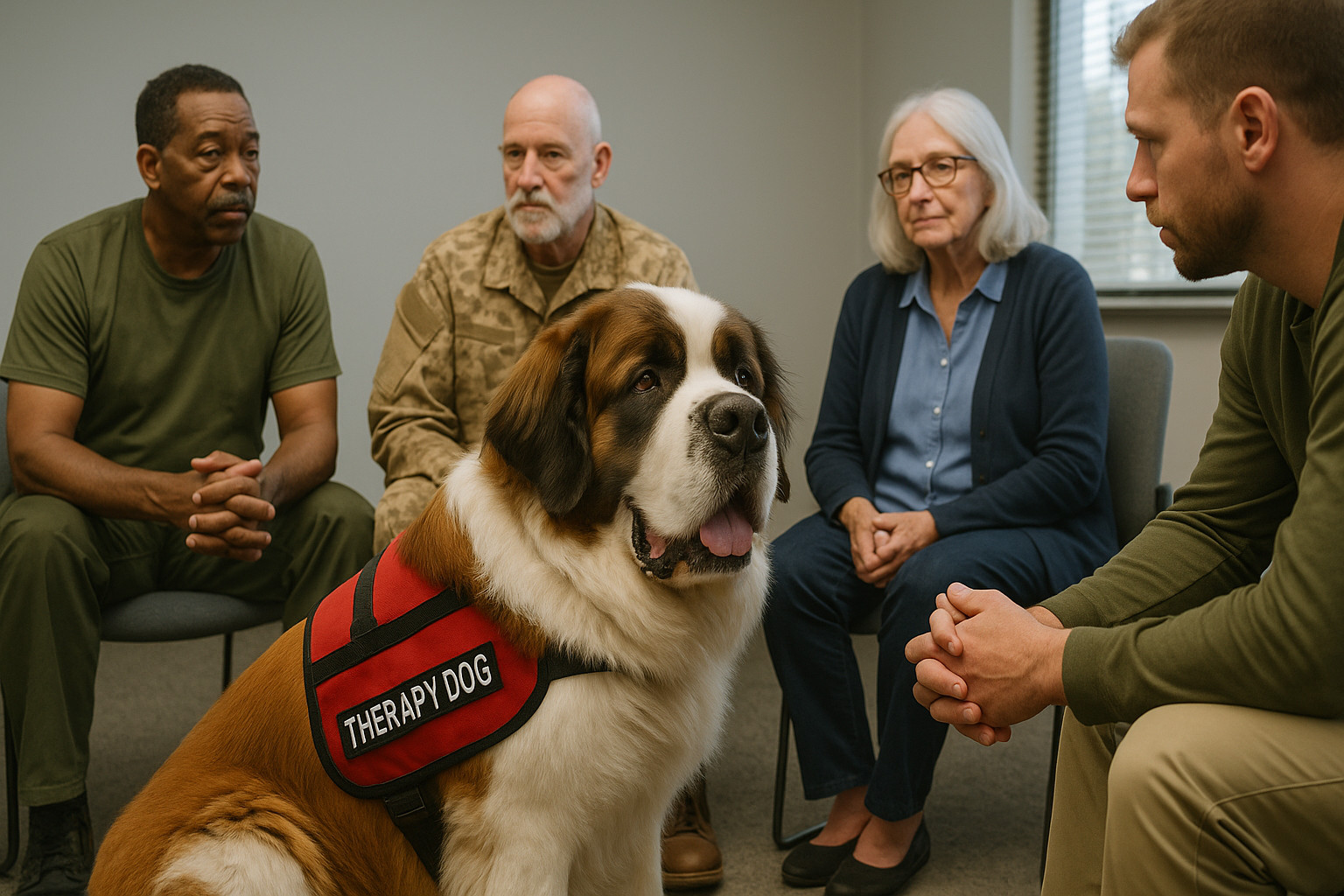
The Saint Bernard, known for its iconic presence and gentle demeanor, emerges as a promising breed in therapy dog roles. With their historical roots in rescuing lost travelers in the Swiss Alps, these dogs have been long associated with care and solace. Their calm temperament, combined with their substantial size and empathetic nature, make them uniquely suited for providing comfort and companionship in therapeutic settings. This article delves into the various aspects that make Saint Bernards effective therapy dogs, covering their behavior, physical traits, and adaptability to different environments.
Understanding the Therapy Dog Role
Therapy dogs are trained to provide comfort, affection, and assistance to people in various settings, such as hospitals, nursing homes, or schools. The role requires a dog that is not only well-behaved but also possesses the ability to connect emotionally with people. Saint Bernards excel in this role due to their inherent gentleness and patience. Their ability to remain composed and their non-aggressive nature allow them to interact effectively with those in need of emotional support.
Physical Appearance and Energy Level
Saint Bernards are one of the larger dog breeds, characterized by their massive build and striking appearance. Despite their size, they are known for having a relatively low energy level, which can be beneficial in therapy settings. Their calm presence is comforting to people, especially those who are intimidated by more energetic or smaller breeds.
- Size as an advantage: Their large size can provide a sense of stability and security, making them ideal for people who benefit from physical comfort.
- Energy balance: They require regular exercise to maintain their health, but their indoor demeanor remains calm and unobtrusive, fitting well in quiet settings.
Personality and Emotional Intelligence
The Saint Bernard’s personality shines in its ability to be both gentle and perceptive. These dogs are remarkably intuitive, often sensing emotions and responding appropriately with calmness and affection. Their empathetic nature allows them to form strong bonds with humans, making them excellent companions in therapy settings.
- Empathy and intuition: They can gauge human emotions accurately, providing comfort through their mere presence.
- Adaptability in interactions: Known for their laid-back nature, they adjust well to different human behaviors, from chatty children to silently observing adults.
Environments Where Saint Bernard Excels
Saint Bernards thrive in environments where their calm demeanor can be fully appreciated. They are especially effective in settings that require a peaceful and reassuring presence.
- Hospitals and nursing homes: Their calm energy is soothing for patients and elderly residents alike.
- Rehabilitation centers: Their gentle demeanor encourages engagement from patients undergoing physical or psychological recovery.
- Schools and child-focused environments: Their patient nature helps in environments where children are present, providing a steadying influence.
Common Therapy Settings
Saint Bernards are well-suited for several therapeutic environments where their traits can be used effectively to comfort and assist individuals.
- Medical settings: They can provide emotional support to patients with anxiety or depression.
- Educational settings: Their gentle nature helps children with emotional or behavioral challenges, offering a non-judgmental presence.
- Community outreach programs: They participate in programs aiming to improve mental health through animal-assisted therapy, connecting with diverse groups.
Interactions with Different Populations
Saint Bernards are known for their versatility in interacting with various populations. They exhibit a deep bond of trust and companionship regardless of the setting.
Register Any Breed
- Children and teenagers: Their patience and robust build make them excellent allies for kids, providing both entertainment and emotional support.
- Adults and seniors: They offer a steady presence that many adults find comforting, especially in high-stress environments.
- Patients with disabilities: Their controlled movements and sensitive nature make them viable companions for physically or mentally disabled individuals.
Health and Wellness Factors
While Saint Bernards contribute positively in therapy roles, their health and wellness must be carefully managed to ensure effective visits.
- Health considerations: Regular check-ups and a balanced diet are crucial for maintaining their health.
- Grooming needs: Consistent grooming is necessary not only for their well-being but also to minimize shedding in therapeutic environments.
Lifespan and Common Health Issues
Understanding the physical demands and health predispositions of Saint Bernards is important in maintaining their role as therapy dogs.
- Average lifespan: Typically between 8 to 10 years, slightly shorter due to their size.
- Health concerns: They may be prone to hip dysplasia and heart conditions, necessitating regular veterinary follow-ups.
Maintenance and Care Needs
Saint Bernards require specific care to ensure they can continue to perform their duties as therapy dogs effectively.
- Grooming: Regular brushing is necessary to manage their thick coats and prevent shedding during visits.
- Exercise and diet: While they have lower energy levels, daily exercise and a controlled diet are essential to prevent obesity.
Training and Certification Readiness
Training a Saint Bernard for therapy work can be a rewarding process due to their natural disposition and willingness to please.
- Learning capabilities: They are intelligent and respond well to training focused on positive reinforcement.
- Certification readiness: With consistent training, they can meet certification standards expected of therapy dogs.
Learning Style and Responsiveness
Saint Bernards learn through consistency and positive reinforcement, responding well to gentle training methods.
- Responding to commands: They grasp commands reliably when paired with encouragement and treats.
- Adaptability to learning environments: Their calm demeanor allows them to thrive in various training settings, from one-on-one sessions to larger groups.
Handling Social and Emotional Stimuli
The ability to process and react appropriately to different stimuli is crucial for therapy dogs, and Saint Bernards handle this well.
- Response to social cues: Their sensitivity to human emotions allows them to offer support intuitively.
- Emotional resilience: They remain calm in diverse social settings, adapting their behavior to the mood and needs of individuals.
Strengths, Limitations, and Ideal Roles for Saint Bernard
Saint Bernards bring unique strengths to therapy roles, though certain limitations must also be recognized.
- Strengths: Their size and calm nature provide a comforting presence. Coupled with their understanding of human emotions, they excel in offering support.
- Limitations: Their large size may not be suitable for spaces with limited room or individuals intimidated by big dogs.
- Ideal roles: Best suited for environments where their calmness and gentle touch are beneficial, such as hospitals, long-term care facilities, and schools.
Final Thoughts
In summary, the Saint Bernard’s gentle disposition, coupled with their significant physical presence, makes them a standout choice in therapy settings. While their size and health considerations pose certain challenges, the benefits they bring — from emotional support to a calming influence — make them a cherished presence in any therapeutic environment.
Key Takeaways for the Saint Bernard as a Therapy Dog
- Best suited for: Hospitals, nursing homes, rehabilitation centers, schools
- Not ideal for: Small, cramped spaces or individuals uncomfortable with large dogs
- Temperament highlights: Empathetic, calm, patient, sensitive to human emotions
- Care and health notes: Regular grooming and veterinary check-ups; manage common health issues like hip dysplasia
- Therapy environments where they shine: Medical and educational settings, community programs, environments requiring calm companionship
Embracing the nurturing nature of the Saint Bernard in therapy roles can bring comfort and joy to many, reaffirming their value in enhancing human well-being.


-
Public Access Kits
$149.00 Learn more This product has multiple variants. The options may be chosen on the product page -
Quick Ship Premium Vests
$48.00 – $82.00 Learn more This product has multiple variants. The options may be chosen on the product page -
Service Dog Bandana
$39.95 Learn more This product has multiple variants. The options may be chosen on the product page
Custom ID Cards

Custom ID Cards
Custom Service Dog Tags
Official Dog Vests

Smart Vests
Official Public Access Kits
Complete Kits
USA & CANADA Letters

High Quality Bandanas

Service Dog Tags
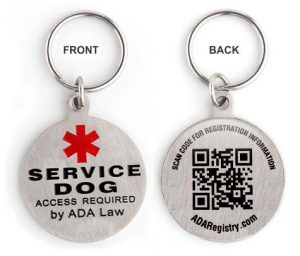
Smart Tags

ESA TAGS