Samoyed as a Therapy Dog
Register Any Breed
Samoyed as a Therapy Dog Overview
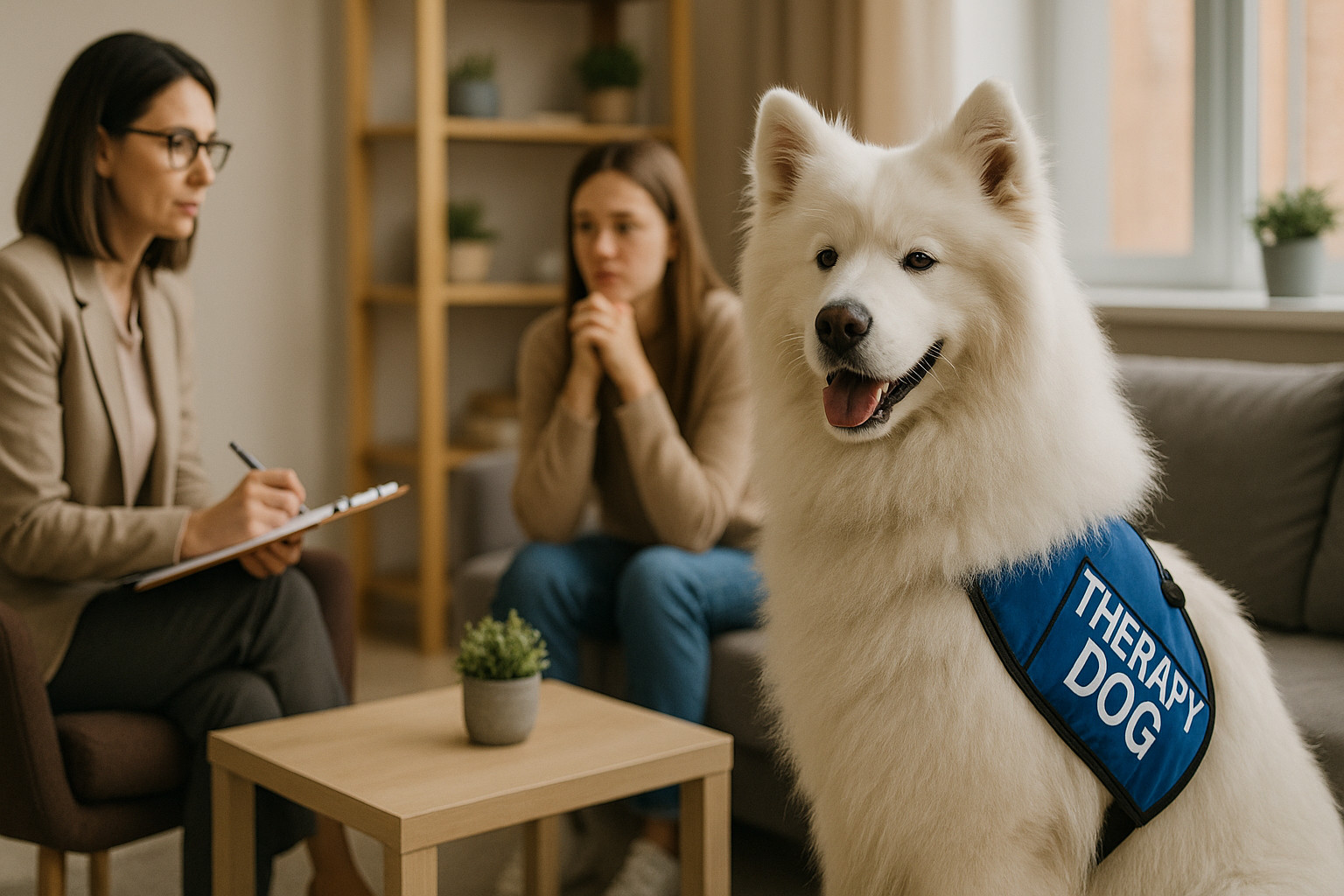
The Samoyed, with its iconic fluffy white coat and ever-present "Sammy smile," is more than just a pretty face. Renowned for their gentle disposition and fondness for people, this breed often finds a niche in animal-assisted therapy. In therapy roles, their warmth and comforting presence can bring joy and solace to those in need.
Understanding the Therapy Dog Role
Therapy dogs provide emotional support and comfort to individuals in various settings, such as hospitals, nursing homes, schools, and libraries. Unlike service dogs, therapy dogs do not have specific tasks to help individuals with disabilities but instead focus on providing therapeutic interaction primarily for emotional and mental well-being.
- Empathy and Connection: Therapy dogs need an innate ability to sense emotions and respond to people's needs. The Samoyed's friendly and compassionate nature plays a crucial role in forging instant connections with people, making them highly effective in therapeutic settings.
- Calm Demeanor: It's crucial for therapy dogs to maintain a calm and posing presence, regardless of surrounding chaos. The Samoyed's adaptability and composed behavior under pressure make them well-suited for this role.
- Adaptability in Varied Environments: They must be comfortable in diverse scenarios, from noisy hospital environments to quieting educational sessions. The Samoyed's versatility allows it to excel in such varied atmospheres.
Physical Appearance and Energy Level
Samoyeds are medium to large dogs, characterized by a thick, white double coat that serves both aesthetic and functional purposes. This breed's physical attributes can be a source of fascination and warmth to therapy recipients.
- Coat and Comfort: Their plush fur not only offers a visually appealing and tactile experience but also provides individuals with sensory interaction, which is beneficial in therapy.
- Energy Levels: Known for their playful and active nature, they do require ample exercise. However, their ability to channel energy constructively can add vibrancy to therapy sessions without being overwhelming or disruptive.
Personality and Emotional Intelligence
Samoyeds are known for their bright, social demeanor and impressive emotional insight, traits that significantly contribute to therapy success.
- Empathetic Nature: This breed instinctively tunes into human emotions, offering reassurance and affection. Their high emotional intelligence often enables them to sense distress and react with soothing behaviors.
- Social Bonding: Known as pack animals, Samoyeds enjoy companionship and thrive off social interaction. This can be particularly therapeutic for individuals dealing with isolation or social anxiety.
Environments Where Samoyed Excels
Given their friendly disposition and adaptability, Samoyeds excel in a range of environments that benefit from animal-assisted therapy.
- Hospitals and Rehabilitation Centers: Their comforting presence has been shown to alleviate anxiety and enhance patients' overall mood during medical treatments or recovery.
- Educational Settings: In schools and libraries, Samoyeds can aid in reducing stress among students and encourage engagement in learning activities, fostering a supportive and stress-free educational experience.
Common Therapy Settings
Understanding the common settings in which therapy dogs operate will outline the Samoyed’s capabilities to potential trainers and handlers.
- Nursing Homes: Their calming presence can immensely benefit elderly individuals, through both visual stimuli and physical interaction.
- Children’s Hospitals: Samoyeds can ease distress in young patients, making medical environments less intimidating with playful yet gentle interaction.
Interactions with Different Populations
The Samoyed’s behavior and adaptability make them suitable for interaction across various demographics.
Register Any Breed
- Children: Their playful nature resonates well with young patients, making therapy sessions more engaging.
- Elderly: Their gentle and patient disposition is particularly effective with the elderly, providing comfort and companionship.
Health and Wellness Factors
Maintaining a Samoyed’s health and wellness is critical to their efficacy in therapy roles.
- Diet and Nutrition: A balanced diet is essential for maintaining their energy levels and coat health, both vital for prolonged interaction sessions.
- Exercise Regimen: Regular exercise helps manage their enthusiastic nature, ensuring they are both physically fit and mentally relaxed for therapy activities.
Lifespan and Common Health Issues
Understanding the lifespan and health considerations of Samoyeds can prepare handlers for potential challenges in therapy environments.
- Lifespan: Typically, Samoyeds live around 12-14 years, providing long-term potential as therapy dogs.
- Health Issues: Common ailments include hip dysplasia and progressive retinal atrophy, requiring regular veterinary checks to ensure sustained physical capability.
Maintenance and Care Needs
The physical maintenance of a Samoyed influences their readiness and performance as therapy dogs.
- Grooming: Regular brushing and grooming are necessary due to their thick coat, keeping them clean and presentable for interactions.
- Temperature Adaptation: Their dense coat suits colder climates; however, managing heat exposure is essential to prevent discomfort.
Training and Certification Readiness
Before starting their journey as therapy dogs, Samoyeds undergo specific training that capitalizes on their natural traits.
- Certifications: To qualify as a therapy dog, Samoyeds must pass evaluations set by therapy dog organizations, assessing behavior, sociability, and adaptability.
- Focused Training Sessions: Emphasizing obedience, socialization, and control helps harness their natural tendencies positively, preparing them for varied therapy environments.
Learning Style and Responsiveness
The Samoyed’s intellectual capacity and learning responsiveness play a considerable role in their adaptability to therapy training.
- Eager Learners: Their intelligence and eagerness to please facilitators make training enjoyable and highly effective.
- Reinforcement Techniques: Positive reinforcement, through treats and praise, optimizes their attention and responsiveness to training commands.
Handling Social and Emotional Stimuli
The sensitivity of Samoyeds towards social and emotional cues enhances their therapeutic potential.
- Environmental Awareness: Their keen perception allows them to adjust behavior based on situational needs, creating tailored emotional support.
- Patient Interaction: Their stability in dynamic environments ensures they provide the necessary emotional support without reactive or undesirable behaviors.
Strengths, Limitations, and Ideal Roles for Samoyed
Understanding the breed's capabilities ensures they are placed in suitable roles, maximizing their therapeutic impact.
- Strengths: Empathy, social bonding, and adaptability are defining qualities, enhancing their therapeutic potential.
- Limitations: Their thick coat requires conscientious grooming, and high-energy nature requires management.
- Ideal Roles: Samoyeds excel in scenarios requiring emotional support, joyful interaction, and empathy—perfect for hospitals, elder care facilities, and educational contexts.
Final Thoughts
The Samoyed, with its distinctive personality and heartwarming presence, serves as an extraordinary therapy dog. Through proper training and care, their potential to bring comfort and healing is both immense and meaningful.
Key Takeaways for the Samoyed as a Therapy Dog
- Best suited for: Hospitals, elder care facilities, educational environments.
- Not ideal for: Hot climates or settings requiring minimal grooming.
- Temperament highlights: Empathetic, social, adaptable.
- Care and health notes: Regular grooming and exercise are essential; routine health checks to manage genetic conditions.
- Therapy environments where they shine: Structured, interactive environments needing emotional engagement and support.


-
Public Access Kits
$149.00 Learn more This product has multiple variants. The options may be chosen on the product page -
Quick Ship Premium Vests
$48.00 – $82.00 Learn more This product has multiple variants. The options may be chosen on the product page -
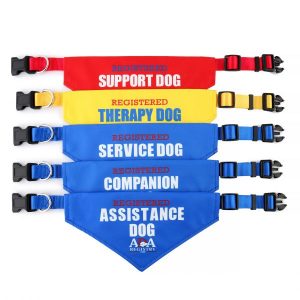
Service Dog Bandana
$39.95 Learn more This product has multiple variants. The options may be chosen on the product page
Custom ID Cards

Custom ID Cards
Custom Service Dog Tags
Official Dog Vests

Smart Vests
Official Public Access Kits
Complete Kits
USA & CANADA Letters

High Quality Bandanas
Service Dog Tags
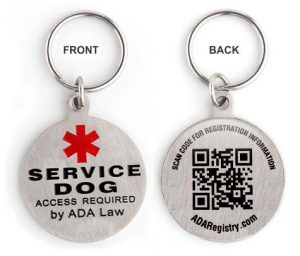
Smart Tags

ESA TAGS