Akita as an Emotional Support Dog

Register Any Breed
Understanding the Emotional Support Role
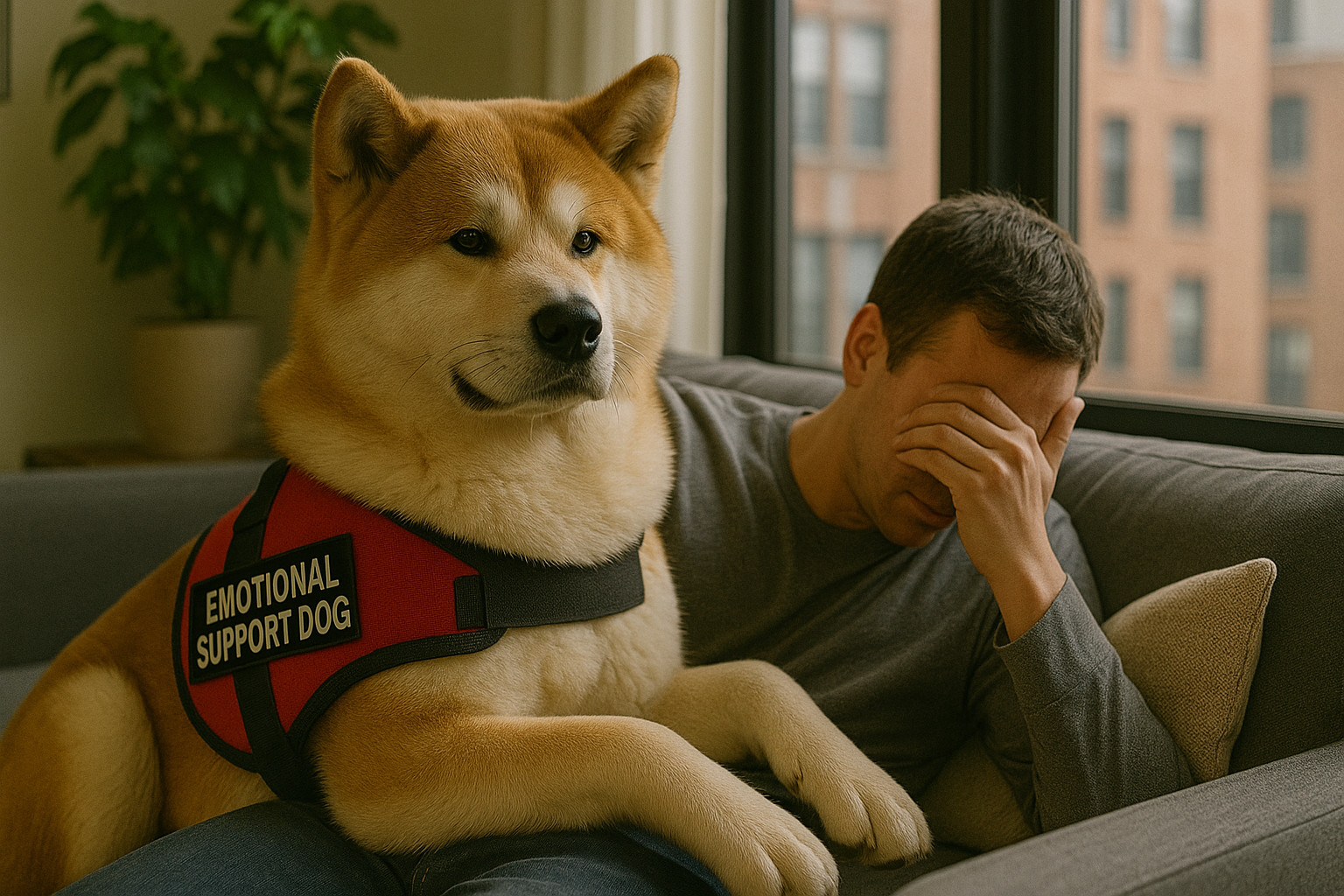
The role of an emotional support animal (ESA) is to provide comfort, companionship, and emotional stability to individuals dealing with mental health challenges. Emotional support dogs, particularly breeds like the Akita, offer non-judgmental care and a steadfast presence that can significantly enhance a person's well-being by reducing stress and alleviating feelings of loneliness. Unlike service dogs, ESAs don't require specific task training but must thrive in close relationships with their handlers.
Akita Overview
The Akita is a noble and regal breed known for its loyalty and protective instincts. Originating from Japan, Akitas were bred for centuries as loyal companions of samurai, which influences their strong sense of duty and dedication today. This large, powerful dog has a dignified personality complemented by a deep sense of devotion and a quiet strength, making it a suitable candidate for emotional support work in the right circumstances.
Temperament and Emotional Connection
Akitas exhibit characteristics that strongly support their role as an ESA. This breed is known for its loyalty and devotion, bonding closely with its human. Owners frequently describe a unique emotional connection with their Akita, characterized by mutual trust and understanding. Here are some temperament traits that highlight their suitability:
- Loyalty and Dedication: Akitas are known for their unwavering loyalty, providing their owners with a sense of companionship and emotional security.
- Empathy and Sensitivity: While traditionally not as outwardly affectionate as some breeds, Akitas are sensitive to the emotional states of their handlers and can respond to subtle shifts in mood.
- Calm Composure: Their generally calm demeanor helps maintain a soothing presence, helping to mitigate anxiety and stress for those in need of emotional support.
Adaptability and Daily Behavior
When considering an Akita as an ESA, potential owners should assess how well this breed will adapt to their daily life. Akitas prefer a stable routine and consistent environment, which suits many individuals seeking emotional support:
- Routine-Oriented: Akitas thrive when they have a predictable schedule, providing structure and stability to their owner's life.
- Moderate Activity Level: While they enjoy daily walks and playtime to maintain their physical health, they are not overly energetic, allowing for a balance between exercise and relaxation.
- Watchful and Attentive: Their alert nature means an Akita will reliably monitor their surroundings, offering a sense of security and companionship.
Situations Where Akita Provides Strong Support
The Akita can be particularly beneficial in environments where long-term, consistent interaction can occur. These include:
- Family Homes and Individual Living: Akitas can integrate well with family life, offering steadfast companionship for children and adults alike.
- Calm and Stable Homes: Due to their nature, Akitas thrive in peaceful surroundings where their supportive presence can be fully appreciated.
- Assisted Living: For those in assisted living situations, an Akita can offer a steady, comforting presence amidst new social dynamics.
Ideal Living Environments
For emotional support, Akitas excel in certain living conditions due to their size and energy levels:
- Spacious Homes: While apartments are possible with sufficient walks, Akitas prefer more space to move around.
- Secure, Fenced Yards: They benefit from having an outdoor space to explore safely, adding to their emotional stability.
- Quiet Neighborhoods: Environments with fewer stimuli can help maintain an Akita's calm demeanor, benefiting both the dog and its owner.
Bonds with Different Types of People
Akitas form deep bonds primarily with those who understand their intrinsic dignified and independent nature. They are particularly effective for:
Register Any Breed
- Single Adults: Their strong sense of loyalty can provide companionship and combat loneliness.
- Families: Particularly when socialized from a young age, they can become protective and loving members of the family unit.
- Older Individuals: Their calm presence is ideal for those seeking a more measured pace and steady companionship.
Health, Care, and Wellbeing
To ensure an Akita thrives as an ESA, attention to their health and routine care is essential:
Common Health Considerations
- Hip Dysplasia: Common in larger breeds; regular vet check-ups and mindful activity management are vital.
- Autoimmune Disorders: Some Akitas may be prone to conditions like hypothyroidism or skin issues.
- Daily Exercise: Regular but moderate exercise is necessary to prevent weight-related health issues and maintain emotional well-being.
Grooming, Comfort, and Maintenance Needs
For comfort and maintenance:
- Grooming: Regular brushing is required to manage shedding and maintain coat health without becoming overwhelming.
- Nutrition: A balanced diet is key to sustaining their energy needs and preventing obesity.
- Wellbeing Checks: Routine vet visits ensure any health issues can be addressed promptly, maintaining their ability to provide emotional support.
Preparing an Akita for Emotional Support Work
To maximize their potential as an ESA, preparing an Akita involves fostering positive social experiences and skill-building:
Socialization and Responsiveness
- Early Socialization: Exposure to various people and settings from a young age helps reduce shyness or fearfulness.
- Basic Obedience Training: While not task-related, basic commands enhance an Akita's responsiveness and reinforce their role as a calm presence.
- Trust-building Activities: Bonding exercises ensure the Akita feels secure and valued, reinforcing their supportive role.
Managing Stress and Emotional Cues
Understanding how to manage potential stressors ensures an Akita's focus remains on emotional support:
- Detecting Stressful Cues: Recognizing signs of stress, like pacing or vocalizing, helps redirect focus to calming activities.
- Routine Adjustment: Ensuring consistent routines minimizes anxiety and allows Akitas to rely on their handler, strengthening bonds.
Strengths, Challenges, and Ideal Homes for Akita
Acknowledging the unique strengths and potential challenges of having an Akita as an ESA can help set realistic expectations:
- Strengths: Deep loyalty, calm presence, and a protective nature.
- Challenges: Sometimes aloof; may require significant initial socialization and consistent routines.
- Ideal Homes for Akita: Calm, structured environments with plenty of time for one-on-one interaction.
Final Thoughts
The Akita, with its steadfast devotion and calm demeanor, can be a profound source of emotional support. While not universally suitable due to specific needs and traits, for the right individual or family, an Akita can offer an unparalleled sense of companionship and emotional resilience.
Key Takeaways for the Akita as an Emotional Support Dog
- Best suited for: Calm, stable homes with individuals ready to engage in daily interaction.
- Not ideal for: Dynamic environments with high-stimulation where consistent attention or space cannot be provided.
- Emotional traits: Loyal, empathetic, calm.
- Care and health notes: Regular grooming, attentive health care, routine exercise.
- Environments where they provide the most comfort: Family homes, individual dwelling spaces, and locations with sufficient outdoor space.


-
Public Access Kits
$149.00 Learn more This product has multiple variants. The options may be chosen on the product page -
Quick Ship Premium Vests
$48.00 – $82.00 Learn more This product has multiple variants. The options may be chosen on the product page -
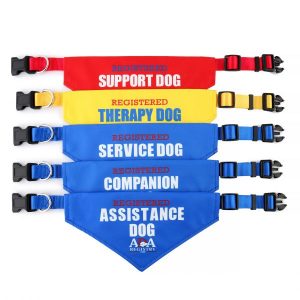
Service Dog Bandana
$39.95 Learn more This product has multiple variants. The options may be chosen on the product page

Custom ID Cards

Custom ID Cards
Custom Service Dog Tags
Official Dog Vests

Smart Vests
Official Public Access Kits

Complete Kits
USA & CANADA Letters
High Quality Bandanas
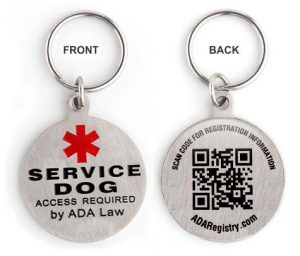
Service Dog Tags
Smart Tags

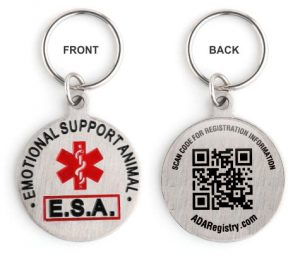
ESA TAGS