
Bernese Mountain Dog as an Emotional Support Dog

Register Any Breed
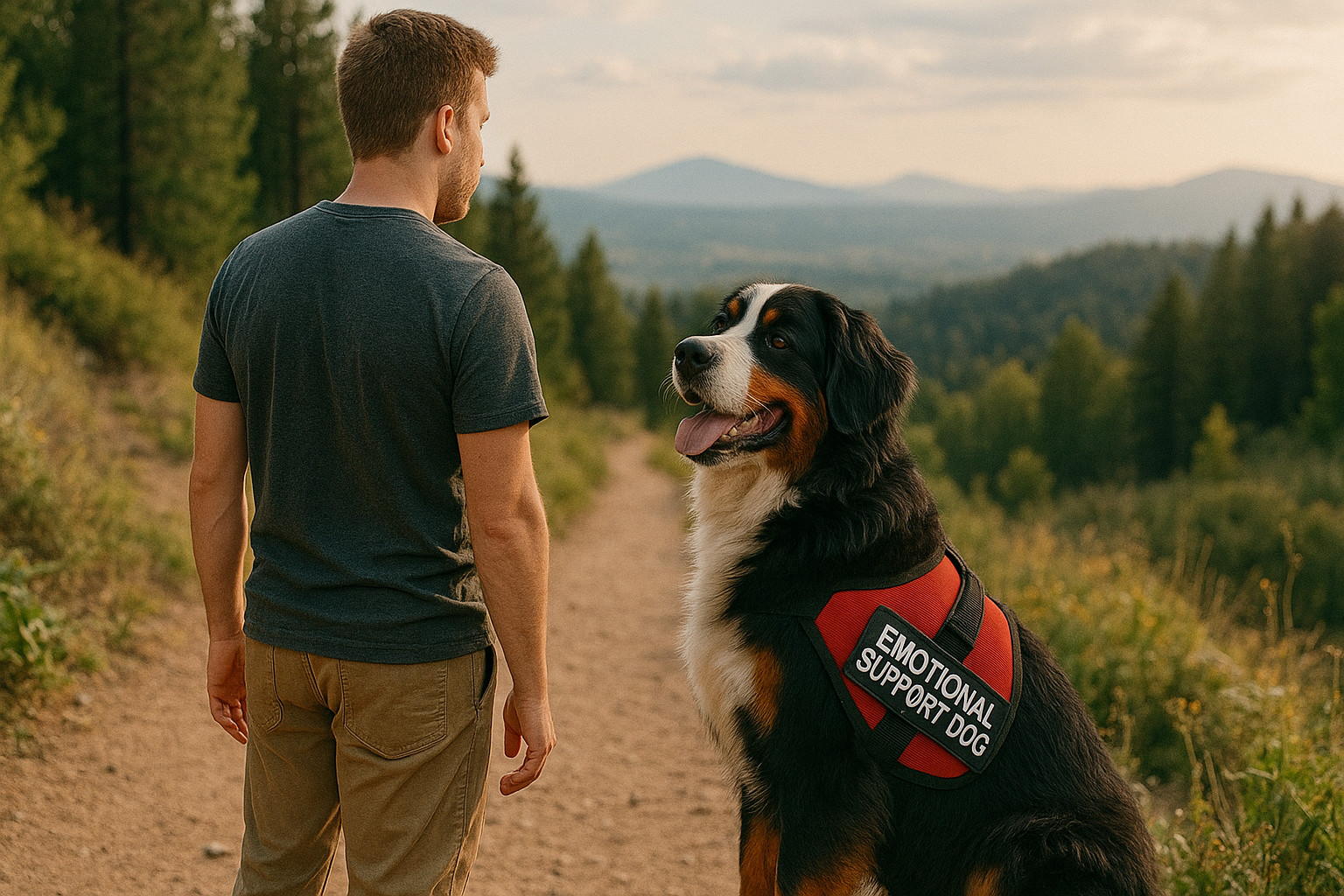
Emotional support animals (ESAs) play a vital role in enhancing the mental health of individuals who struggle with a range of emotional and psychological conditions. Among the numerous breeds that can fulfill this role, the Bernese Mountain Dog stands out for its congenial personality and innate ability to empathize with human emotions. This article delves into how Bernese Mountain Dogs make exceptional emotional support dogs, offering insights into their suitability, care needs, and the emotional benefits they provide.
Understanding the Emotional Support Role
An emotional support dog’s primary responsibility is to offer companionship and emotional stability to their handler. Unlike service dogs, they are not trained to perform specific tasks relating to a disability, but their mere presence can reduce symptoms of anxiety, depression, and other emotional challenges.
Bernese Mountain Dog Overview
The Bernese Mountain Dog is a breed originally developed in Switzerland, known for its strength, intelligence, and calm demeanor. These dogs are large, weighing between 70 to 115 pounds, and exhibit a striking tri-color coat of black, white, and rust. Despite their size, they are known for their gentle and affectionate nature, making them ideal companions for individuals seeking emotional support.
Temperament and Emotional Connection
Bernese Mountain Dogs are renowned for their warm, calm disposition. They exhibit:
- Loyalty: Deeply devoted to their human caregivers, establishing strong bonds and offering unconditional emotional support.
- Empathy: This breed has an acute ability to pick up on human emotions, often offering comfort when they sense anxiety or sadness.
- Gentleness: Their calm and patient demeanor can be soothing, helping to mitigate stress and emotional distress for their owners.
These traits make them particularly effective in providing a stabilizing presence for those with emotional challenges.
Adaptability and Daily Behavior
Despite their size, Bernese Mountain Dogs are surprisingly adaptable to various living environments:
- Calm Energy: They possess a balanced energy level, enjoying playtime but also appreciating quiet moments that can help reduce an owner’s anxiety.
- Social Nature: They thrive on human interaction and can provide constant companionship, which can significantly alleviate feelings of loneliness.
- Routine-Oriented: Their inclination towards structured routines can help individuals who thrive on consistency.
These attributes contribute to their ability to adapt to the emotional needs of their owners, creating an enduring partnership.
Register Any Breed
Situations Where Bernese Mountain Dog Provides Strong Support
Certain scenarios exemplify the supportive nature of Bernese Mountain Dogs:
- Post-Traumatic Stress Disorder (PTSD): Their empathy and soothing presence can help ground individuals during moments of distress.
- Anxiety Disorders: The breed’s gentle demeanor offers a calming influence, helping to reduce panic and anxiety levels.
- Depression: Companionship and unconditional love from a Bernese can be uplifting, providing emotional resilience.
By providing emotional anchorage, they help individuals navigate daily adversities.
Ideal Living Environments
Bernese Mountain Dogs, though versatile, flourish in particular settings:
- Family Homes: Their loving nature fits well with families that can provide interaction and space.
- Assisted Living: They offer companionship critical to the emotional wellbeing of residents.
- Homes with Yards: Sufficient outdoor space is ideal for their exercise needs, helping them maintain physical and mental health.
Understanding the optimal environments enhances their ability to serve effectively as ESAs.
Bonds with Different Types of People
Bernese Mountain Dogs are particularly well-suited to form bonds with:
- Families: They are amiable with children and can be a protective, gentle presence.
- Seniors: Their calm nature is perfect for seniors seeking a serene and steadfast companion.
- Individuals Facing Emotional Distress: Their empathy enables them to provide a comforting presence to those undergoing emotional turmoil.
These dogs adapt their behavior and emotional support depending on the needs and circumstances of the people they bond with.
Health, Care, and Wellbeing
Ensuring the health and wellbeing of a Bernese Mountain Dog is essential for them to function effectively as emotional support animals.
Common Health Considerations
This breed has several health concerns that must be managed:
- Hip and Elbow Dysplasia: Regular veterinary check-ups can help mitigate joint issues.
- Bloat: Careful monitoring of diet and eating habits can prevent this life-threatening condition.
- Genetic Diseases: Being proactive with health screenings and responsible breeding practices can manage risks associated with hereditary diseases.
By maintaining optimal health, they can reliably perform their supportive role.
Grooming, Comfort, and Maintenance Needs
Bernese Mountain Dogs require specific care routines:
- Coat Maintenance: Regular brushing mitigates shedding and keeps their coat healthy.
- Exercise Requirements: Daily walks and playtime are pivotal for their mental stimulation and physical fitness.
- Balanced Diet: High-quality nutrition ensures their vitality, aiding their emotional support duties.
Providing proper care sustains their ability to offer the emotional stability their handlers derive from them.
Preparing a Bernese Mountain Dog for Emotional Support Work
To prepare a Bernese Mountain Dog for the emotional support role, focus on training and behavior adjustment.
Socialization and Responsiveness
Early socialization and consistent training are key to enhancing their effectiveness:
- Training Regime: Basic obedience and exposure to various social environments enhance their adaptability and responsiveness.
- Positive Reinforcement: Motivational techniques, such as rewards, instill confidence and foster a willing attitude.
This foundational work ensures their confidence and adaptability in diverse situations.
Managing Stress and Emotional Cues
Helping the dog recognize and respond to emotional cues is essential:
- Emotional Awareness: Training to identify stress signals from owners enhances their support capacity.
- Stress Management: Techniques that instill relaxation help them remain calm, even if the owner is stressed.
By developing these skills, they can more effectively fulfill their role as emotional stabilizers.
Strengths, Challenges, and Ideal Homes for Bernese Mountain Dog
Understanding the strengths and challenges of a Bernese Mountain Dog informs potential owners about their suitability:
- Strengths: Their loyalty, empathy, and gentle demeanor make them ideal for emotional support roles.
- Challenges: They require significant time and attention, and potential health issues require proactive management.
- Ideal Homes: The ideal settings align with their need for companionship, love, and outdoor space.
By evaluating these aspects, owners can decide if their home environment will support a Bernese’s emotional support responsibilities.
Final Thoughts
The Bernese Mountain Dog’s nurturing presence and sensitivity to human emotions make them remarkable emotional support animals. With their innate ability to form deep emotional connections, provide comfort, and adapt to their handler’s emotional state, they can significantly improve the quality of life for those facing emotional challenges. Ensuring their health and wellbeing enhances their capacity to offer support, solidifying the bond between dog and owner — a partnership rooted in understanding and comfort.
Key Takeaways for the Bernese Mountain Dog as an Emotional Support Dog
- Best suited for: Families, individuals with emotional challenges, seniors, and those with ample space or yards.
- Not ideal for: Individuals unable to provide sufficient exercise, grooming, and maintenance.
- Emotional traits: Loyal, empathetic, gentle, and highly responsive to emotional cues.
- Care and health notes: Requires regular grooming, health screenings, exercise, and a balanced diet.
- Environments where they provide the most comfort: Family homes, assisted living conditions, and areas where companionship is essential.


-
Public Access Kits
$149.00 Learn more This product has multiple variants. The options may be chosen on the product page -
Quick Ship Premium Vests
$48.00 – $82.00 Learn more This product has multiple variants. The options may be chosen on the product page -
Service Dog Bandana
$39.95 Learn more This product has multiple variants. The options may be chosen on the product page

Custom ID Cards

Custom ID Cards
Custom Service Dog Tags

Official Dog Vests

Smart Vests
Official Public Access Kits

Complete Kits
USA & CANADA Letters

High Quality Bandanas

Service Dog Tags

Smart Tags

ESA TAGS
