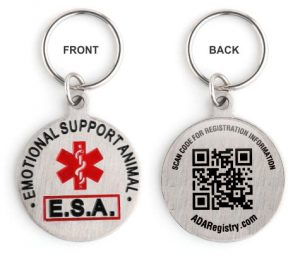
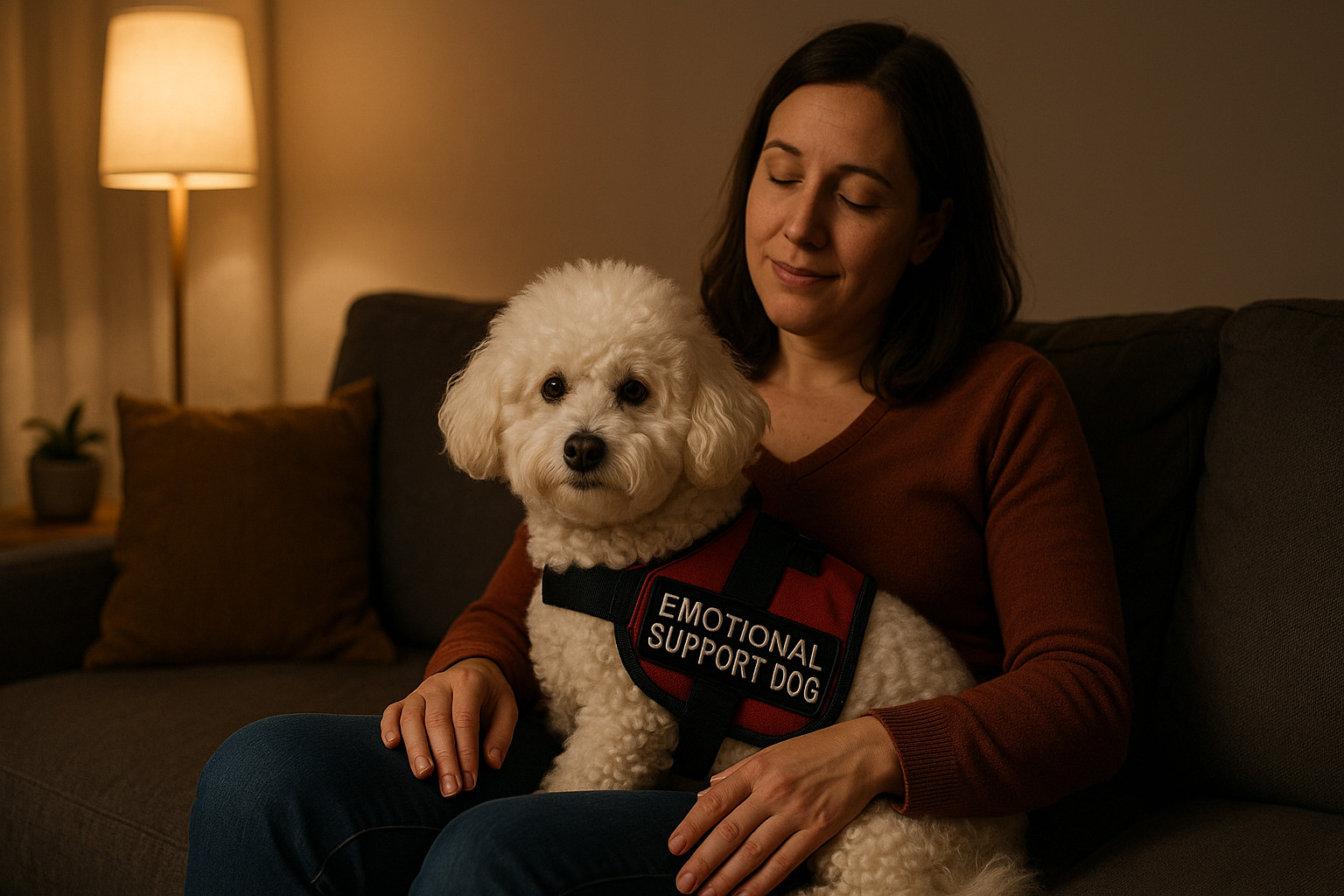
Bichon Frise as an Emotional Support Dog

Register Any Breed
—
The Bichon Frise is often adored for its cheerful disposition and gentle demeanor, characteristics that make it an outstanding candidate as an emotional support dog. With their charming look and affectionate nature, Bichons have stolen the hearts of many seeking companionship and emotional stability. This article explores the unique attributes that make the Bichon Frise ideally suited for providing emotional support, creating a comprehensive guide for potential handlers.
Understanding the Emotional Support Role
Bichon Frise Overview
The Bichon Frise, a small dog breed known for its fluffy white coat and merry personalities, has long been treasured as a companion dog. Originally hailing from the Mediterranean, their history as sailors' companions underscores their deep bond with humans and adaptability to various environments. This innate companionship and loyalty prime them well for roles where emotional stability and presence are critical.
Temperament and Emotional Connection
Bichons are renowned for their affable and affectionate nature. Their sensitivity to human emotions allows them to form strong emotional connections, making them adept at reading their handler's emotional states. Their demeanor is inherently comforting, and they seek to alleviate distress through gentle companionship. Specific traits that enhance emotional bonds include:
- Empathy and Sensitivity: Bichons respond to human emotions with comforting behaviors, such as cuddling and attentive presence.
- Cheerfulness and Playfulness: Their lively nature can distract from stress and anxiety, bringing joy to their handlers' lives.
- Loyalty and Devotion: Bichons are inherently loyal, often forming tight bonds with their owners, offering a constant reassuring presence.
Adaptability and Daily Behavior
Bichon Frises adapt easily to different environments due to their moderate energy levels and social personalities. They thrive in settings where they can interact with people, often adjusting their behavior to suit the mood of their handler. This adaptability is critical in emotional support as it means they can thrive in varied living conditions and lifestyle choices, from busy urban apartments to quieter suburban homes.
Situations Where Bichon Frise Provides Strong Support
The Bichon Frise excels in environments where their sensitivity and affection are needed the most. They offer significant support in situations such as:
- Anxiety Reduction: Their intuitive nature helps identify and respond to signs of anxiety, providing a comforting presence and distraction.
- Loneliness Alleviation: Their affectionate nature reduces feelings of isolation, fostering companionship through constant engagement.
- Stress Management: Bichons can help modulate stress by encouraging mindfulness and presence through playful interactions and soothing behaviors.
Ideal Living Environments
Ideal living conditions for a Bichon as an emotional support dog include:
Register Any Breed
- Apartments: Their small size and adaptability suit apartment living, provided they receive adequate social interaction and exercise.
- Family Homes: Their compatibility with children and other pets makes them an excellent addition to family environments, promoting warmth and companionship.
- Assisted Living Facilities: Their gentle nature and low maintenance provide calm and companionship to those in assisted living settings.
Bonds with Different Types of People
The Bichon Frise’s ability to bond with various individuals makes them versatile emotional support dogs. They are particularly effective with:
- Individuals with Anxiety and Depression: Their affectionate nature offers comfort and reduces emotional distress.
- Families: Bichons often form bonds with multiple family members, providing emotional stability across all age ranges.
- Elderly Individuals: Their gentle demeanor can provide companionship and support, reducing loneliness and increasing the quality of life.
Health, Care, and Wellbeing
Maintaining the health of a Bichon Frise is vital to their effectiveness as an emotional support dog. Keeping them in optimal health ensures they can consistently provide comfort and companionship.
Common Health Considerations
Bichons, while generally healthy, are prone to specific health issues affecting their role as support animals, such as:
- Allergies: Skin allergies can lead to discomfort, requiring routine vet visits and management.
- Eye Problems: Cataracts and tear staining are common, necessitating regular check-ups.
- Dental Health: Regular dental care is crucial to prevent gum disease, common in small breeds.
Grooming, Comfort, and Maintenance Needs
Grooming is essential for a Bichon’s well-being, contributing to their ability to provide comfort:
- Regular Grooming: Maintaining their coat prevents matting and discomfort, involving combing multiple times a week and professional grooming every month.
- Comfort Items: Ensuring they have a comfortable bed and toys aids in their emotional stability, making them better companions.
Preparing a Bichon Frise for Emotional Support Work
Ensuring that a Bichon Frise is ready for emotional support roles involves prioritizing their socialization and responsiveness:
Socialization and Responsiveness
Socialization from a young age enhances their adaptability and ensures they are well-adjusted. In training, focus on:
- Exposure to Different Environments: Helps them become adaptable and reduces sensitivity to new situations.
- Responsive Training: Establishes a reliable and understanding dynamic with their handler, improving effectiveness in providing emotional support.
Managing Stress and Emotional Cues
Bichons are intuitive, but handlers must manage their stress levels to ensure continued comfort provision. Recognizing and responding to their cues can maintain their happiness and effectiveness as support dogs.
Strengths, Challenges, and Ideal Homes for Bichon Frise
The strengths of the Bichon Frise in emotional support roles are abundant, though potential challenges should be noted:
- Strengths: Exceptional empathy, adaptability, and loyal companionship.
- Challenges: Requires consistent grooming, sometimes prone to separation anxiety.
- Ideal Homes: Families, single individuals, and elderly looking for affectionate and active companions in varied living situations.
Final Thoughts
The Bichon Frise exemplifies the qualities that define excellent emotional support dogs. Their affectionate nature, empathy, and adaptability make them treasured companions for those in need of emotional stability. Proper care, training, and understanding ensure they continue to provide invaluable support to their handlers.
Key Takeaways for the Bichon Frise as an Emotional Support Dog
- Best suited for: Individuals in apartments, families, and elderly individuals in assisted living.
- Not ideal for: Those unable to commit to regular grooming or those highly sensitive to pet allergies.
- Emotional traits: Empathic, loyal, and joyful with a playful demeanor.
- Care and health notes: Regular grooming, attention to dental and eye health, and much social interaction are required.
- Environments where they provide the most comfort: Urban apartments, family dwellings, and supportive communal settings.
The Bichon Frise’s cheerful presence and comfort-giving capacities make them an excellent choice for an emotional support role, offering unmatched loyalty and unwavering affection.
—


-
Public Access Kits
$149.00 Learn more This product has multiple variants. The options may be chosen on the product page -
Quick Ship Premium Vests
$48.00 – $82.00 Learn more This product has multiple variants. The options may be chosen on the product page -
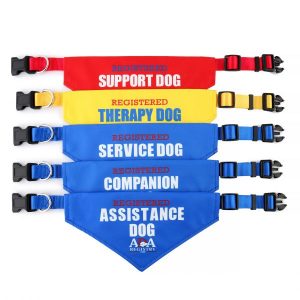
Service Dog Bandana
$39.95 Learn more This product has multiple variants. The options may be chosen on the product page

Custom ID Cards

Custom ID Cards
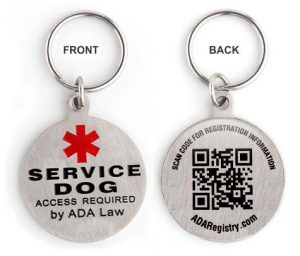
Custom Service Dog Tags
Official Dog Vests

Smart Vests
Official Public Access Kits

Complete Kits
USA & CANADA Letters
High Quality Bandanas
Service Dog Tags
Smart Tags

ESA TAGS