Border Terrier as an Emotional Support Dog

Register Any Breed
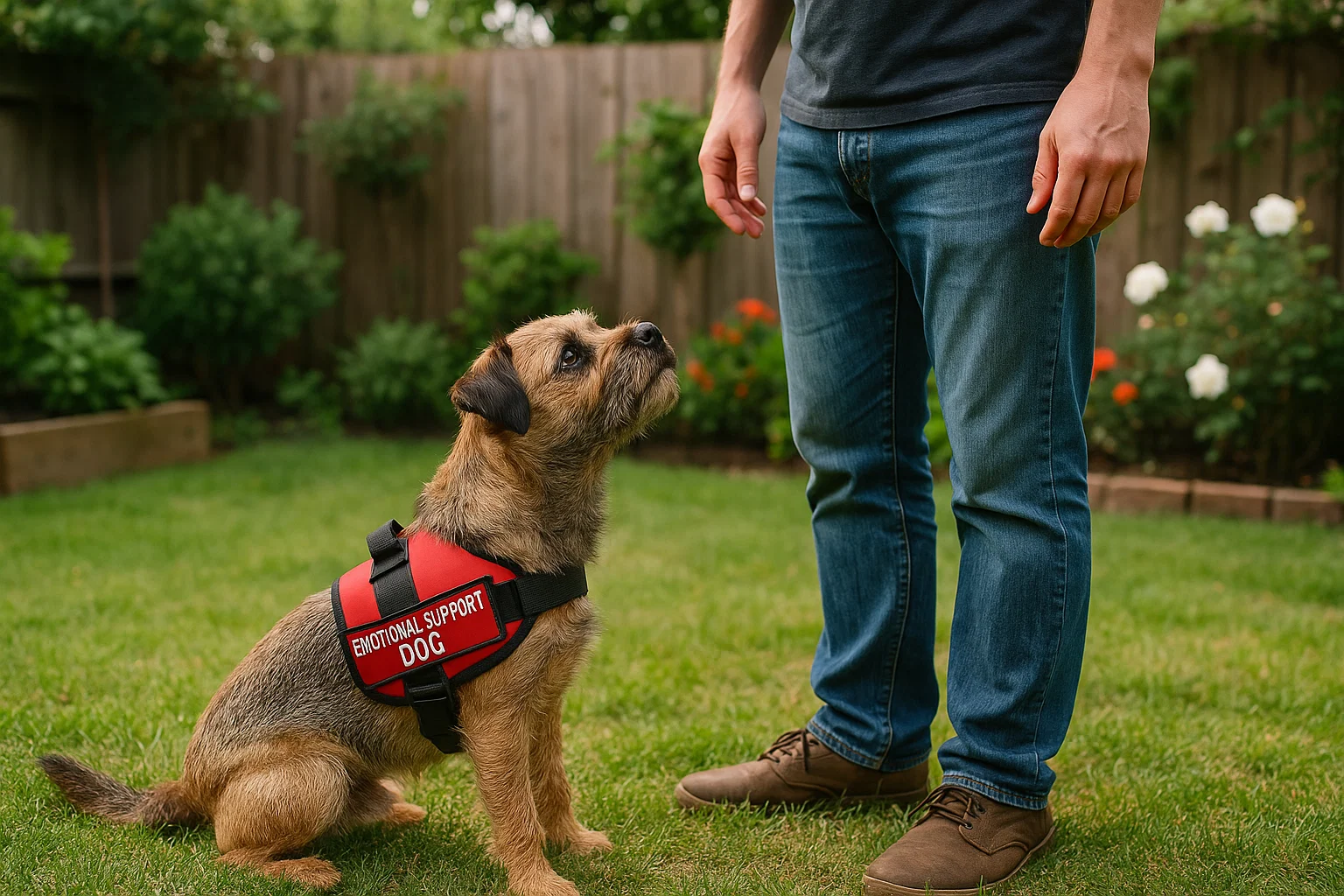
The role of an Emotional Support Animal (ESA) differs from that of a service dog, focusing on providing comfort, reducing anxiety, and enhancing mental well-being. The Border Terrier, with its cheerful disposition and affectionate nature, is a stellar candidate for fulfilling this role. This article delves into the Border Terrier's suitability as an ESA, exploring its personality, adaptability, and the environments where it thrives best.
Understanding the Emotional Support Role
Emotional Support Animals offer solace and stability to individuals experiencing emotional and psychological challenges. Unlike service dogs which perform specific tasks, ESAs act as companions, alleviating symptoms of mental distress. The Border Terrier, with its inherent empathy and gentle disposition, excels in offering emotional support through companionship.
Border Terrier Overview
The Border Terrier is a small, robust, and energetic breed originally bred for fox hunting in the British Isles. Known for their distinctive wiry coats and expressive faces, they are compact yet sturdy dogs. Their small size makes them highly adaptable to various living situations, from urban apartments to larger country homes. Despite their hunting lineage, Border Terriers are known for being friendly and easygoing, traits that foster deep emotional bonds with their owners.
Temperament and Emotional Connection
Border Terriers possess a temperament characterized by cheery optimism and determination. They are known for:
- Empathy and Sensitivity: Border Terriers naturally attune to their owner's emotions, providing spontaneous comfort in times of stress or anxiety.
- Playful Companionship: Their spirited nature encourages engagement and activity, which can uplift mood and foster a sense of well-being.
- Loyalty and Devotion: As dedicated companions, they provide a reliable source of affection, reducing feelings of loneliness.
Adaptability and Daily Behavior
Border Terriers are remarkably adaptable. They seamlessly integrate into various lifestyles and living arrangements due to their manageable size and moderate exercise needs. Key behavioral traits include:
- Calm in Confined Spaces: Their ability to remain content in smaller living areas makes them ideal for apartment living.
- Routine Oriented: Consistency in routine helps maintain their mental well-being and contributes to their effectiveness as ESAs.
Situations Where Border Terrier Provides Strong Support
The Border Terrier excels in situations requiring emotional resilience and constant companionship. Some scenarios where they offer substantial support include:
- For Individuals with Anxiety: Their steady presence and responsive nature can help mitigate anxious feelings.
- For Families with Children: Their playful disposition and patience make them a good match for households with children.
- In Assisted Living Facilities: Their small size and gentle demeanor enable them to interact safely with elderly individuals, providing comfort and reducing isolation.
Ideal Living Environments
While adaptable, Border Terriers prosper in environments that cater to their energy levels and need for human interaction. Ideal settings include:
Register Any Breed
- Urban Settings: Their small size and moderate exercise needs make them perfect for city living where space might be limited.
- Suburban Homes with Gardens: These spaces allow for safe exploration and controlled playtime.
- Calm, Social Households: They flourish where there's regular interaction and inclusion in family activities.
Bonds with Different Types of People
Border Terriers form strong, meaningful connections with a broad spectrum of people:
- Single Individuals: Offering companionship and emotional stability through regular engagements.
- Older Adults: Providing gentle, consistent interaction that encourages physical and mental activity.
- Children: Teaching responsibility and empathy through play and care in a family setting.
Health, Care, and Wellbeing
Maintaining a Border Terrier in optimal health is crucial to their ability to serve as effective ESAs. Regular veterinary care and a balanced diet are fundamental to their well-being.
Common Health Considerations
Although generally healthy, Border Terriers may encounter certain health issues:
- Hip Dysplasia: Regular vet check-ups and a healthy weight can manage this condition.
- Heart Conditions: Routine screenings are essential to catch and manage potential problems early.
- Skin Issues: Regular grooming can help prevent skin infections or irritation due to their dense coat.
Grooming, Comfort, and Maintenance Needs
Border Terriers require regular grooming to keep their wiry coats healthy:
- Weekly Brushing: Helps reduce shedding and maintain coat condition.
- Stripping/Wire Coating: Performed a few times a year to manage coat texture.
- Nail Trimming and Ear Cleaning: Ensures comfort and prevents health issues.
Preparing a Border Terrier for Emotional Support Work
Training a Border Terrier for emotional support work emphasizes socialization and responsiveness:
- Early Socialization: Exposes them to different environments and people, critical for a well-adjusted ESA.
- Basic Obedience Training: Ensures they are respectful of boundaries and responsive to commands.
Socialization and Responsiveness
A well-socialized Border Terrier responds confidently and calmly to a variety of social interactions, enhancing their effectiveness in the ESA role.
- Positive Reinforcement: Encourages desirable behavior and cultivates affection.
- Exposure to Varied Environments: Builds confidence and adaptability.
Managing Stress and Emotional Cues
Border Terriers must manage stress effectively to thrive as ESAs:
- Routine: Establishing a predictable routine helps reduce anxiety.
- Owner Engagement: Regular bonding time reinforces positive emotional cues.
Strengths, Challenges, and Ideal Homes for Border Terrier
The Border Terrier offers numerous strengths as an ESA but also presents challenges requiring consideration:
- Strengths: High adaptability, empathetic nature, compact size.
- Challenges: Needs adequate physical and mental stimulation.
- Ideal Homes: Calm, consistent environments with engaging interaction.
Final Thoughts
As emotional support dogs, Border Terriers bring warmth, loyalty, and joy to those they live with. Their balanced temperament and moderate care needs make them accessible companions for diverse individuals across various living situations.
Key Takeaways for the Border Terrier as an Emotional Support Dog
- Best suited for: Urban environments, families with children, elderly individuals, people experiencing anxiety or loneliness.
- Not ideal for: Highly inactive households, owners unwilling to engage in routine activity.
- Emotional traits: Loyal, sensitive, responsive, and playful.
- Care and health notes: Requires regular health check-ups and grooming.
- Environments where they provide the most comfort: Apartments, family homes, and assisted living facilities.


-
Public Access Kits
$149.00 Learn more This product has multiple variants. The options may be chosen on the product page -
Quick Ship Premium Vests
$48.00 – $82.00 Learn more This product has multiple variants. The options may be chosen on the product page -
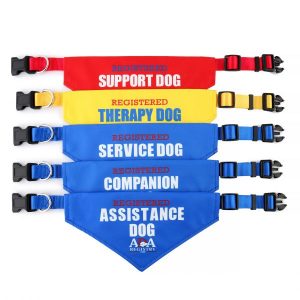
Service Dog Bandana
$39.95 Learn more This product has multiple variants. The options may be chosen on the product page

Custom ID Cards

Custom ID Cards
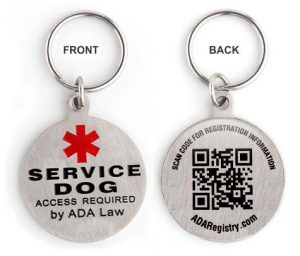
Custom Service Dog Tags
Official Dog Vests

Smart Vests
Official Public Access Kits
Complete Kits
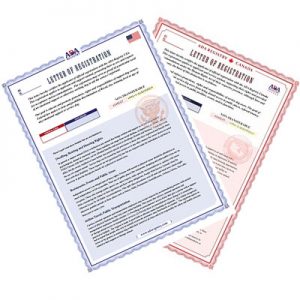
USA & CANADA Letters
High Quality Bandanas
Service Dog Tags
Smart Tags

ESA TAGS