Boxer as an Emotional Support Dog

Register Any Breed
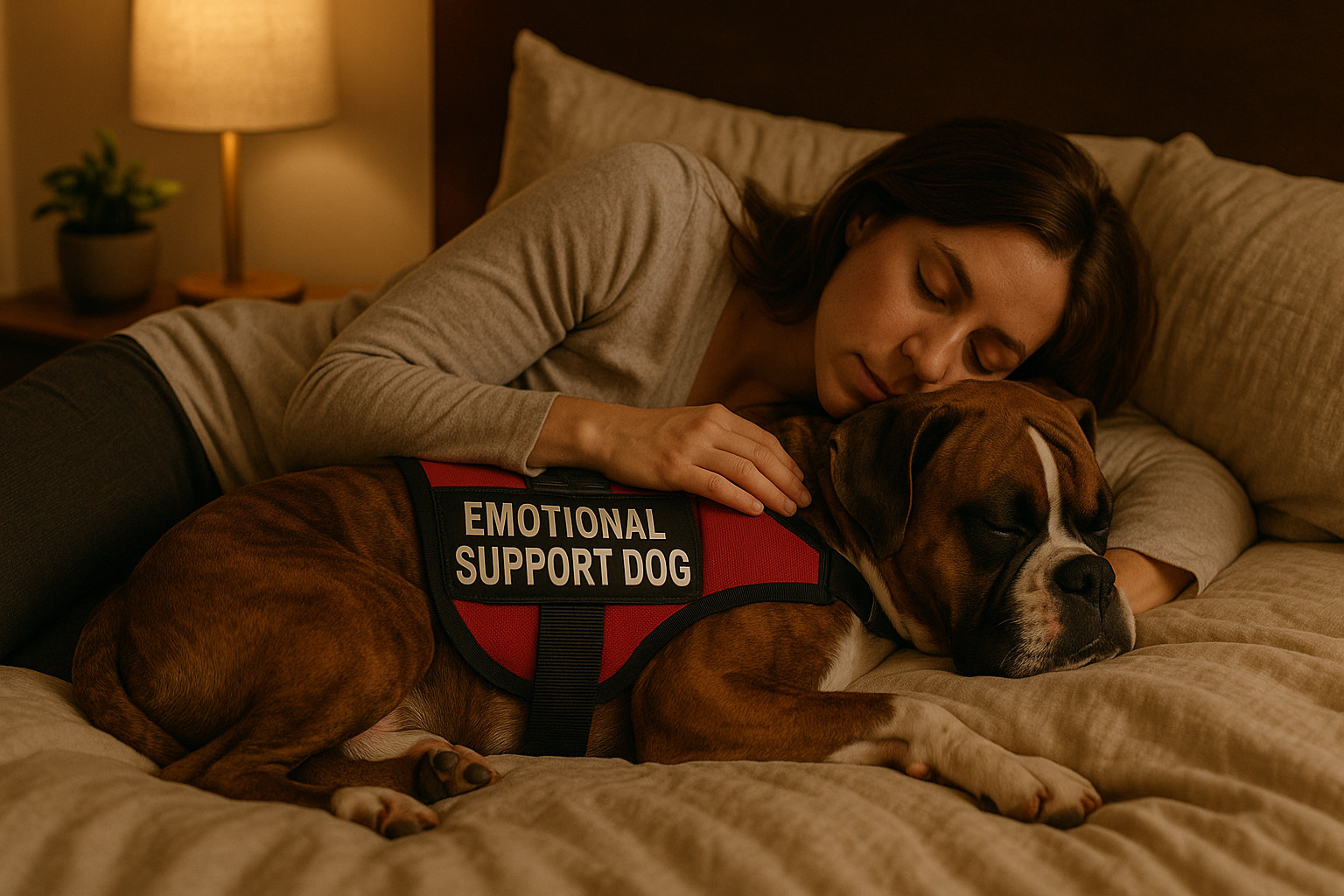
The Boxer, renowned for its playful demeanor and unwavering loyalty, stands out as an exemplary choice for an emotional support dog. Their combination of intelligence, sociability, and sensitivity to human emotions makes them uniquely qualified to offer comfort and companionship to those in need. This article delves into the varied aspects that make the Boxer an ideal candidate for emotional support, capturing their strengths, understanding their needs, and highlighting their suitability for various living environments.
Understanding the Emotional Support Role
Equipped with a profound ability to sense human emotions, the Boxer excels in providing emotional stability and companionship. Emotional support animals (ESAs) primarily offer comfort and help alleviate the symptoms of conditions such as anxiety, depression, and PTSD. The Boxer’s natural empathy and enthusiasm enable them to fulfill this role effectively, offering their human companions solace and unconditional love.
Boxer Overview
The Boxer, a medium-sized breed with a strong, athletic build, is recognized for its expressive face and boundless zest for life. They possess an energy and charisma that quickly captivates those around them. Originating from Germany, the Boxer was initially bred for hunting and guarding, which shone light on their quick intelligence and protective instincts.
Temperament and Emotional Connection
A key aspect of the Boxer’s value as an emotional support dog lies in its temperament. Boxers are known for their affectionate nature and strong desire to bond with their human counterparts. Their innate ability to detect emotional changes is instrumental in providing support to those experiencing emotional difficulties.
- Empathetic nature: Boxers possess an acute sense of empathy. They can read facial expressions and body language, often responding with comforting behaviors.
- Affectionate demeanor: The breed is inherently loving and seeks constant interaction, which provides constant emotional reinforcement to their owners.
- Protective instincts: While not aggressive, Boxers are protective, making their presence reassuring and comforting.
Adaptability and Daily Behavior
Boxers are highly adaptable, capable of thriving in a variety of living situations, from bustling urban apartments to serene countryside homes. Their daily behavior, highlighted by playfulness, not only promotes a lively home environment but also encourages physical activity, which can be beneficial for mental wellbeing.
- Active and energetic: Known for their playful behavior, Boxers help keep their owners engaged and active, aiding in alleviating symptoms of depression and lethargy.
- Consistent routines: They thrive on predictability and routine, which instills a sense of stability in their human partners.
Situations Where Boxer Provides Strong Support
Boxers are incredibly supportive in situations where consistent emotional reinforcement is required. Their dynamic presence can significantly help in reducing feelings of loneliness and anxiety.
- Handling stressors: In high-stress situations, Boxers maintain calmness which can be calming to their owners.
- Loneliness alleviation: Their constant need for interaction and closeness helps diminish feelings of loneliness, particularly in individuals living alone or in assisted living facilities.
Ideal Living Environments
Boxers are versatile companions, suitable for a range of housing options.
Register Any Breed
- Urban apartments: While energetic, Boxers adapt well to apartment living, provided they receive daily exercise.
- Family homes: Their gentle nature and loyalty make them suitable for families, where they thrive with abundant interaction.
Bonds with Different Types of People
Boxers form remarkable bonds with people across varied demographics, from single individuals to seniors. Their gentle nature and protective instincts make them suitable companions for children, while their empathetic disposition can provide profound emotional support to seniors and individuals with unique emotional needs.
Health, Care, and Wellbeing
Maintaining the health and wellbeing of a Boxer is essential to ensure they can provide consistent and safe emotional support. This requires attention to both physical health and emotional balance.
Common Health Considerations
Boxers are generally healthy but can be prone to specific health issues that may affect their ability to serve as emotional support animals.
- Heart conditions: Some Boxers may develop heart diseases, which require vigilant care.
- Hip dysplasia: Regular exercise and a healthy diet can help mitigate joint issues common in Boxers.
Grooming, Comfort, and Maintenance Needs
Boxers require relatively low grooming maintenance due to their short coat, but ensuring their comfort through proper care is essential for their role as emotional support animals.
- Routine grooming: Regular brushing helps maintain coat health and reduce shedding.
- Veterinary visits: Routine health checkups are necessary to prevent complications and maintain optimal health.
Preparing a Boxer for Emotional Support Work
Preparing a Boxer to fulfill emotional support duties involves training and socialization to enhance their responsiveness to emotional cues.
Socialization and Responsiveness
Effective ESA work requires Boxers to be socialized thoroughly so they can interact well in various settings.
- Exposure to diverse settings: Helps them adjust to new environments and reduce anxiety for both the dog and their human companions.
- Responsive training: Encourages them to learn and respond to emotional and behavioral cues effectively.
Managing Stress and Emotional Cues
Boxers must be guided on managing their own stress to avoid any negative impact on their emotional support capabilities.
- Stress management techniques: Incorporate play and rest to ensure they are emotionally balanced.
- Reading emotional cues: Training them to interpret human emotions accurately enhances their role as effective emotional supporters.
Strengths, Challenges, and Ideal Homes for Boxer
While Boxers are exceptional in offering emotional support, their suitability can vary based on individual living situations.
- Strengths: Their affectionate and loyal nature provides stability; their active disposition encourages a lively home atmosphere.
- Challenges: High energy may require more active owners; protective instincts may need moderation through training.
- Ideal homes: Best suited for active families or individuals who can provide the needed engagement and exercise.
Final Thoughts
The Boxer is an exceptional breed for emotional support, balancing playfulness with deep empathy and sensitivity. Their adaptability and protective instincts make them a valuable companion for those in need of emotional support. With proper care and training, a Boxer can offer years of unwavering comfort, companionship, and joy to their human partner.
Key Takeaways for the Boxer as an Emotional Support Dog
- Best suited for: Active individuals and families who can meet their exercise and companionship needs.
- Not ideal for: Owners unable to provide regular exercise or who prefer minimal physical interaction.
- Emotional traits: Highly empathetic, affectionate, and protective.
- Care and health notes: Regular health checks, grooming, and exercise are vital.
- Environments where they provide the most comfort: Family homes, assisted living with daily physical activity, and urban apartments with access to exercise areas.


-
Public Access Kits
$149.00 Learn more This product has multiple variants. The options may be chosen on the product page -
Quick Ship Premium Vests
$48.00 – $82.00 Learn more This product has multiple variants. The options may be chosen on the product page -
Service Dog Bandana
$39.95 Learn more This product has multiple variants. The options may be chosen on the product page

Custom ID Cards

Custom ID Cards
Custom Service Dog Tags

Official Dog Vests

Smart Vests
Official Public Access Kits
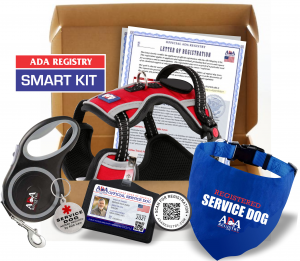
Complete Kits
USA & CANADA Letters
High Quality Bandanas

Service Dog Tags

Smart Tags

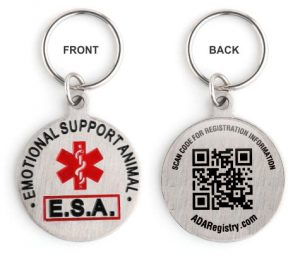
ESA TAGS