Brittany as an Emotional Support Dog

Register Any Breed
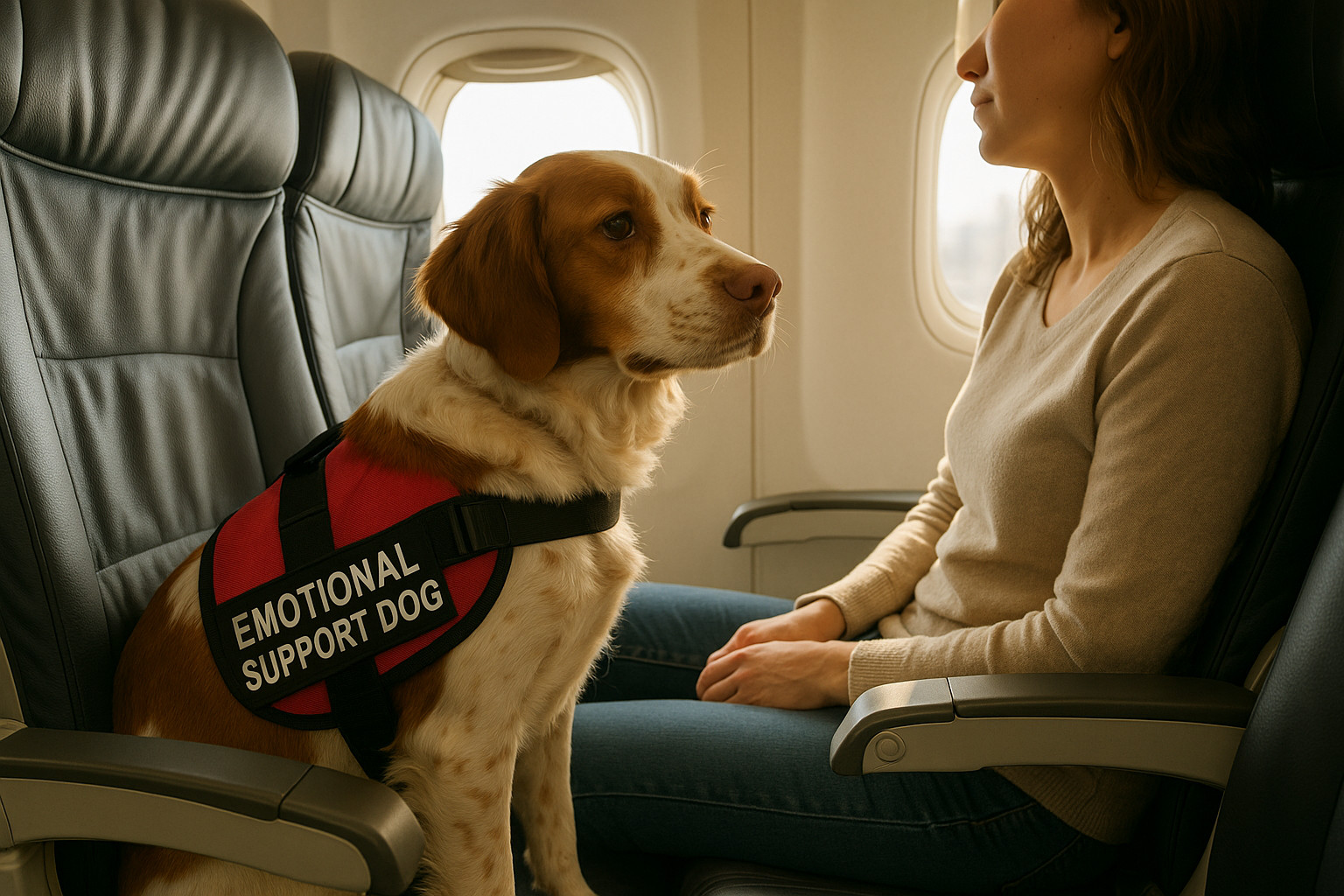
In recent years, the demand for emotional support animals has surged as individuals seek ways to cope with mental health challenges like anxiety, depression, and post-traumatic stress disorder. While many breeds can offer companionship, the Brittany, a medium-sized breed known for its vibrant personality and deep emotional connection with humans, stands out as a preferred choice for an emotional support dog. This article explores the unique traits that make the Brittany an ideal emotional support companion and provides insights into their care, temperament, and suitability for providing emotional relief.
Understanding the Emotional Support Role
Emotional support animals (ESAs) offer comfort and companionship to individuals with emotional or mental health issues. Unlike service dogs, ESAs are not specifically trained to perform tasks. Instead, their role is to be present, offer affection, and provide an emotional connection that aids in psychological stability.
Brittany Overview
The Brittany, originally bred as a gundog, is an agile, medium-sized breed known for its intelligence, energy, and affectionate nature. Originally developed in France during the 1800s, these dogs quickly gained popularity for their versatility and adaptability.
- Size and Appearance: Brittanys are compact yet strong, with average weights ranging from 30-40 pounds. They possess a gracefully muscular build, expressive eyes, and a short-to-medium dense coat.
- History and Background: Brittanys were historically used for hunting due to their keen sense of smell and field aptitude. Their early roles required focus, stamina, and a gentle nature, traits that blend seamlessly with emotional support requirements.
Temperament and Emotional Connection
Brittanys are renowned for their congenial disposition and innate ability to form deep emotional bonds. This breed thrives on human interaction and exhibits:
- Empathy and Sensitivity: Brittanys have a remarkable ability to pick up on the emotional states of their owners, offering comfort through presence and affection. Their responsiveness to human emotions makes them astute companions during distress.
- Affectionate Nature: They form strong attachments, often engaging in gentle, reassuring physical contact, such as cuddling or resting their heads on their owners' laps, which naturally eases anxiety and loneliness.
Adaptability and Daily Behavior
Adaptability is a key trait that enhances the Brittany's suitability as an emotional support animal. These dogs are able to adjust seamlessly to various living conditions, fostering stability:
- Energy Levels: Brittanys maintain a balance between being lively and calm. While they enjoy physical activities, they can easily unwind and relax, offering consistent companionship without being overwhelming.
- Daily Behavior: Predictable yet engaging, Brittanys adapt to their owners' schedules, providing reassurance during periods of rest and being ready for exercise when appropriate.
Situations Where Brittany Provides Strong Support
The emotional support capabilities of a Brittany shine in various scenarios, from individual settings to larger family environments:
- Alleviating Anxiety: With their calming demeanor, Brittanys help diffuse stressful situations. Their presence alone can provide a grounding effect, reducing symptoms of anxiety or panic attacks.
- Combating Loneliness: Their affectionate nature ensures that owners never feel isolated, as Brittanys remain close, providing constant companionship.
- Mood Enhancement: Engaging play sessions and affectionate interactions contribute to an improved mood and overall mental well-being.
Ideal Living Environments
Brittanys are incredibly adaptable, though certain environments allow them to thrive as emotional support animals:
Register Any Breed
- Family Homes: With their friendly and gentle disposition, Brittanys fit well into family life, providing comfort to children and adults alike.
- Apartments: Despite their energy, Brittanys can comfortably live in apartments provided they receive sufficient exercise and mental engagement.
- Assisted Living Facilities: Brittanys' gentle nature and empathetic connection make them ideal companions for seniors or individuals in assisted living environments.
Bonds with Different Types of People
Brittanys are versatile in forming bonds with diverse individuals, from families to those living alone:
- Families with Children: Their playful yet calm demeanor allows them to bond easily with children, acting as nurturing, protective companions.
- Singles or Couples: For singles or couples, especially ones dealing with emotional health issues, Brittanys offer unwavering loyalty and companionship.
- Elderly Companions: Their gentleness and understanding make them excellent partners for the elderly, providing comfort and engaging with a pace suited to more sedentary lifestyles.
Health, Care, and Wellbeing
The care regimen for a Brittany as an emotional support dog focuses on maintaining their health and ensuring their continual ability to offer comfort:
- Nutrition and Health: A balanced diet is essential to maintain this active breed's health. Regular veterinary check-ups ensure they remain in peak condition.
- Exercise Requirements: Regular walks and playtime are crucial to dispel their energy and maintain mental engagement, helping prevent stress-induced behaviors.
Common Health Considerations
While generally healthy, Brittanys are prone to certain health issues that owners should watch for:
- Hip Dysplasia: A common concern in medium and large breeds that requires monitoring and potentially lifestyle adjustments.
- Ear Infections: Due to their flop ears, regular cleaning is necessary to prevent infections.
Grooming, Comfort, and Maintenance Needs
Ease of grooming plays an important role in a Brittany’s ability to provide consistent emotional support:
- Coat Care: Their medium-length coat requires regular brushing to reduce shedding and maintain comfort.
- Hygiene Practices: Routine baths, teeth cleaning, and nail trims prevent health issues, allowing Brittanys to remain comfortable and focused on their companion role.
Preparing a Brittany for Emotional Support Work
Effective preparation of a Brittany for emotional support involves understanding their instinctual behaviors and fostering responsiveness:
- Training: Basic obedience training is essential, focusing on commands that promote calm behavior and attentiveness to the owner’s state.
- Routine Establishment: Consistency in daily activities and interaction solidifies their role and enhances their support capabilities.
Socialization and Responsiveness
Socialization and training are vital components in harnessing a Brittany’s capacity for emotional support:
- Puppy Socialization: Early exposure to different settings and situations ensures they grow into well-adjusted adults capable of handling varied emotional states.
- Responsive Attitude: Through training, Brittanys develop an acute awareness of emotional cues, allowing for proactive comforting responses.
Managing Stress and Emotional Cues
Managing stress factors is crucial in enabling Brittanys to excel in emotional support roles:
- Owners’ Emotions: Training focuses not only on behavioral commands but also on recognizing and responding to owner stress signals, promoting a calm environment.
- Stress Reduction Techniques: Incorporating relaxation techniques ensures the Brittany remains a stress-relief asset rather than developing stress-related behaviors.
Strengths, Challenges, and Ideal Homes for Brittany
Understanding both the strengths and potential challenges of having a Brittany as an emotional support animal is crucial:
- Strengths:
- Intuitive Companionship: Their emotional sensitivity offers profound support and connection.
- Adaptability: Ability to adjust to different routines and lifestyles aids owners across varying environments.
- Challenges:
- High Energy Needs: Owners must be prepared for regular exercise routines.
- Social and Mental Engagement Requirements: Lack of regular socialization or mental stimulation can lead to behavioral issues.
- Ideal Homes: Homes that provide space for physical activities, offer routine, and encourage interactive play environments enhance the Brittany's support effectiveness.
Final Thoughts
The Brittany is a stellar example of a breed whose natural dispositions harmonize perfectly with the role of an emotional support dog. Their empathy, intelligence, and gentle nature make them excellent companions, able to offer the comfort and emotional stability that many individuals seek. When given the proper care and socialization, Brittanys prove to be more than just a pet; they become an integral part of emotional healing and support.
—
Key Takeaways for the Brittany as an Emotional Support Dog
- Best suited for: Families, singles, the elderly, and apartment or assisted living settings.
- Not ideal for: Households unable to meet high exercise and engagement needs.
- Emotional traits: Highly empathetic, affectionate, responsive to emotional cues.
- Care and health notes: Regular grooming, exercise, and mindful health management.
- Environments where they provide the most comfort: Family homes, apartments, assisted living, and environments conducive to regular interaction and companionship.


-
Public Access Kits
$149.00 Learn more This product has multiple variants. The options may be chosen on the product page -
Quick Ship Premium Vests
$48.00 – $82.00 Learn more This product has multiple variants. The options may be chosen on the product page -
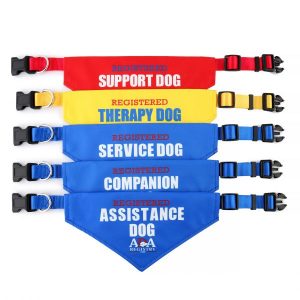
Service Dog Bandana
$39.95 Learn more This product has multiple variants. The options may be chosen on the product page

Custom ID Cards

Custom ID Cards
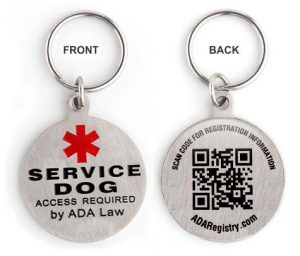
Custom Service Dog Tags
Official Dog Vests

Smart Vests
Official Public Access Kits
Complete Kits
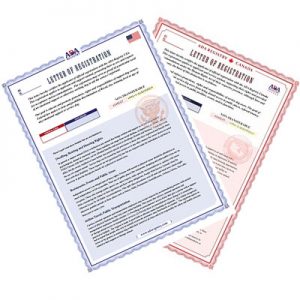
USA & CANADA Letters
High Quality Bandanas
Service Dog Tags
Smart Tags

ESA TAGS