Bull Terrier as an Emotional Support Dog
Register Any Breed
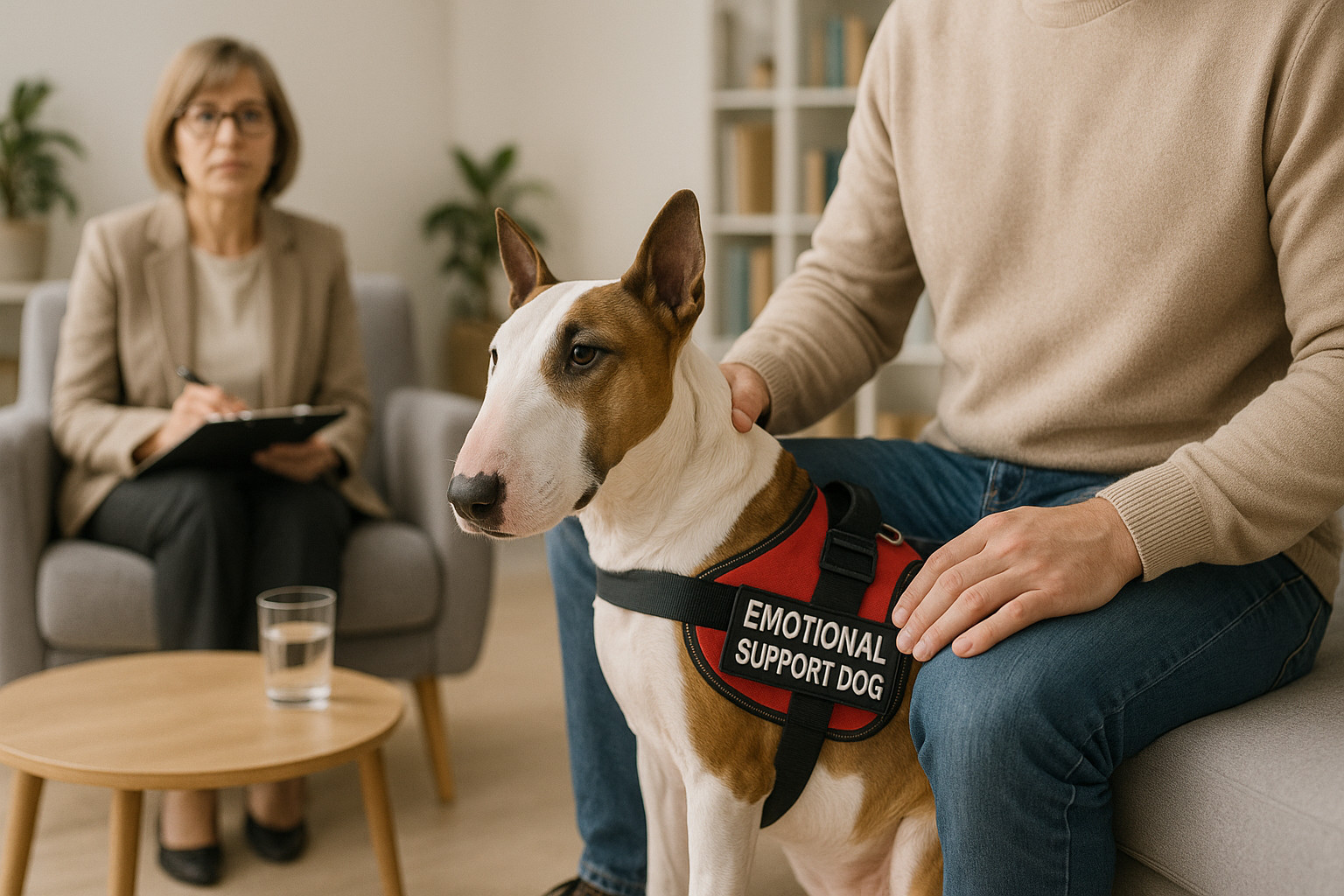
Emotional support animals (ESAs) provide comfort, companionship, and therapeutic benefits to individuals with various emotional and psychological needs. Among the diverse breeds available, the Bull Terrier is a noteworthy contender as an emotional support dog. Known for their distinctive appearance and spirited personalities, Bull Terriers possess several traits that make them excellent companions for individuals requiring emotional support. This article delves into how Bull Terriers can excel in the emotional support role, examining their temperament, adaptability, and care requirements.
Understanding the Emotional Support Role
Emotional support dogs are not trained to perform specific tasks like service dogs. Instead, their primary role is the emotional and psychological wellbeing of their handlers. Bull Terriers are renowned for their loyalty, empathy, and nurturing nature, making them ideally suited to offer emotional stability. Their presence can significantly alleviate anxiety, depression, and loneliness.
Bull Terrier Overview
Bull Terriers, instantly recognizable by their unique egg-shaped heads and muscular builds, are medium-sized dogs bred originally for dog fighting. However, they have evolved into affectionate and loyal companions. Weighing between 50 to 70 pounds, they possess a robust physicality but are endearingly gentle with their families. Despite their muscular appearance, Bull Terriers tend to form strong emotional bonds due to their affectionate and loyal personality.
Temperament and Emotional Connection
The Bull Terrier is naturally playful, energetic, and curious, traits that forge a profound emotional connection with their owners. Their ability to pick up on human emotions quickly can foster a therapeutic bond. They are attentive, responding empathetically to their handler’s moods and emotions, providing reassurance and warmth. This acute sensitivity helps them deliver consistent emotional support, establishing them as a comforting presence.
Adaptability and Daily Behavior
Bull Terriers are highly adaptable dogs, often thriving in various environments ranging from bustling family homes to quieter single-person residences. While they are energetic, their daily requirement for exercise is balanced with an appreciation for relaxation and cuddling sessions. This flexibility makes them suitable companions, adjusting their energy levels to complement their handler’s mood, reducing stress and encouraging a dynamic but relaxed lifestyle.
Situations Where Bull Terrier Provides Strong Support
Bull Terriers are especially supportive in environments where their owners suffer from anxiety, mood disorders, or depressive episodes. They provide companionship that can prevent isolation, using their playful nature to lift spirits and their calm disposition to soothe anxious thoughts. Their role in stress reduction is reinforced through:
- Attentive and affectionate behavior that minimizes loneliness
- Engaging their owner in play to distract from stressful situations
- Remaining a constant, comforting presence that offers emotional stability
Ideal Living Environments
Bull Terriers thrive in environments where their emotional support role is nurtured by a structured, affectionate routine. They adapt well to:
Register Any Breed
- Apartments: Provided they receive enough exercise, Bull Terriers can be comfortable in smaller living spaces.
- Family homes: Their playful nature makes them wonderful companions for families with children.
- Assisted living facilities: Their gentle demeanor and empathetic nature offer great comfort to the elderly or individuals with mobility limitations.
Bonds with Different Types of People
Bull Terriers are naturally inclined to form deep bonds with their owners, demonstrating loyalty and protective instincts. They connect well with:
- Adults and seniors, offering emotional stability and companionship.
- Children, engaging with their playful nature while being patient and protective.
- Individuals with emotional or mental health challenges, providing intuitive emotional support.
Health, Care, and Wellbeing
Ensuring a Bull Terrier’s wellbeing involves understanding and managing their physical and emotional health needs. Their role as an emotional support dog is enhanced by maintaining their health through regular veterinary check-ups, a balanced diet, and appropriate exercise routines.
Common Health Considerations
Bull Terriers can be prone to certain genetic conditions that owners should monitor:
- Skin allergies and conditions, which need regular veterinary attention.
- Potential heart and kidney issues, necessitating routine medical evaluations.
- Managing weight due to their stocky build, which requires a controlled diet and exercise plan.
Grooming, Comfort, and Maintenance Needs
Despite their short, stiff coat, Bull Terriers require regular grooming to minimize shedding and keep their skin healthy. Weekly brushing and regular baths cater to their grooming needs. This maintenance ritual also serves as a bonding activity, enhancing emotional connections between the handler and the dog. Their comfort is further supported by:
- A comfortable, quiet space for relaxation.
- Toys and play sessions to stimulate their intelligent and active minds.
- Regular, moderate exercise routines for physical wellbeing.
Preparing a Bull Terrier for Emotional Support Work
To optimize a Bull Terrier’s suitability as an emotional support animal, the following preparatory steps are recommended:
- Socialization: Introduce them to a variety of environments, people, and other animals to build confidence and adaptability.
- Responsiveness: Use positive reinforcement techniques to enhance their natural responsiveness to emotional cues.
- Calming routines: Establish routines that incorporate calm, relaxing activities to promote a tranquil home environment.
Socialization and Responsiveness
A well-socialized Bull Terrier exhibits greater emotional intelligence and responsiveness. Socialization should start early, exposing them to different scenarios that make them more adaptable and less reactive. Establishing a clear, gentle communication line ensures they respond adeptly to emotional commands or cues, making them reliable emotional support companions.
Managing Stress and Emotional Cues
Bull Terriers are sensitive to their owner’s emotions, but they can also experience stress. It’s essential to:
- Monitor their emotional health, ensuring they’re not overwhelmed by their duties.
- Use stress-reducing techniques, such as gentle play or calming massages.
- Train them to recognize and react appropriately to emotional cues for consistent support.
Strengths, Challenges, and Ideal Homes for Bull Terrier
Bull Terriers’ strengths as emotional support dogs lie in their loyalty, affectionate nature, and energy. They are well-suited for individuals or families seeking a playful yet calming presence. However, understanding their challenges, such as the need for early socialization and potential health issues, is crucial for their role’s success.
Final Thoughts
Bull Terriers exemplify the qualities required for emotional support dogs, blending strength with sensitivity, and playfulness with calm. They offer not only loyalty and companionship but also a stabilizing and reassuring presence for those in need of emotional support.
Key Takeaways for the Bull Terrier as an Emotional Support Dog
- Best suited for: Individuals or families needing companionship, including those in apartments or family homes.
- Not ideal for: Owners unable to meet moderate exercise and grooming needs or those unprepared for potential health issues.
- Emotional traits: Affectionate, empathetic, playful, adaptable, and incredibly loyal.
- Care and health notes: Routine veterinary check-ups, maintenance of a healthy diet and exercise regimen, and regular grooming.
- Environments where they provide the most comfort: Apartments, family homes, and assisted living facilities where emotional stability and playful companionship are valued.
By embracing their distinctive abilities as emotional support animals, Bull Terriers can significantly enrich the lives of those they accompany, delivering emotional comfort and stability in various settings.


-
Public Access Kits
$149.00 Learn more This product has multiple variants. The options may be chosen on the product page -
Quick Ship Premium Vests
$48.00 – $82.00 Learn more This product has multiple variants. The options may be chosen on the product page -
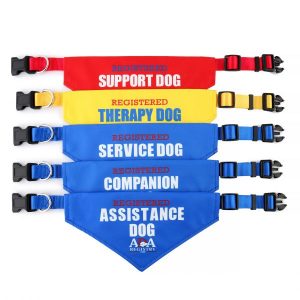
Service Dog Bandana
$39.95 Learn more This product has multiple variants. The options may be chosen on the product page
Custom ID Cards

Custom ID Cards
Custom Service Dog Tags
Official Dog Vests

Smart Vests
Official Public Access Kits
Complete Kits
USA & CANADA Letters
High Quality Bandanas
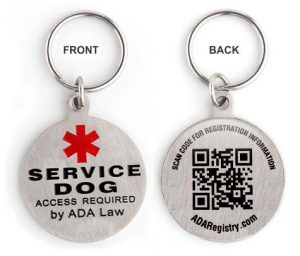
Service Dog Tags
Smart Tags

ESA TAGS