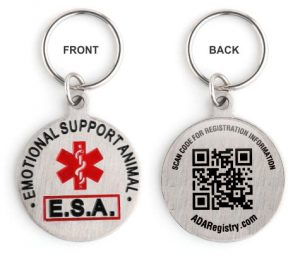
Cavalier King Charles Spaniel as an Emotional Support Dog
Register Any Breed
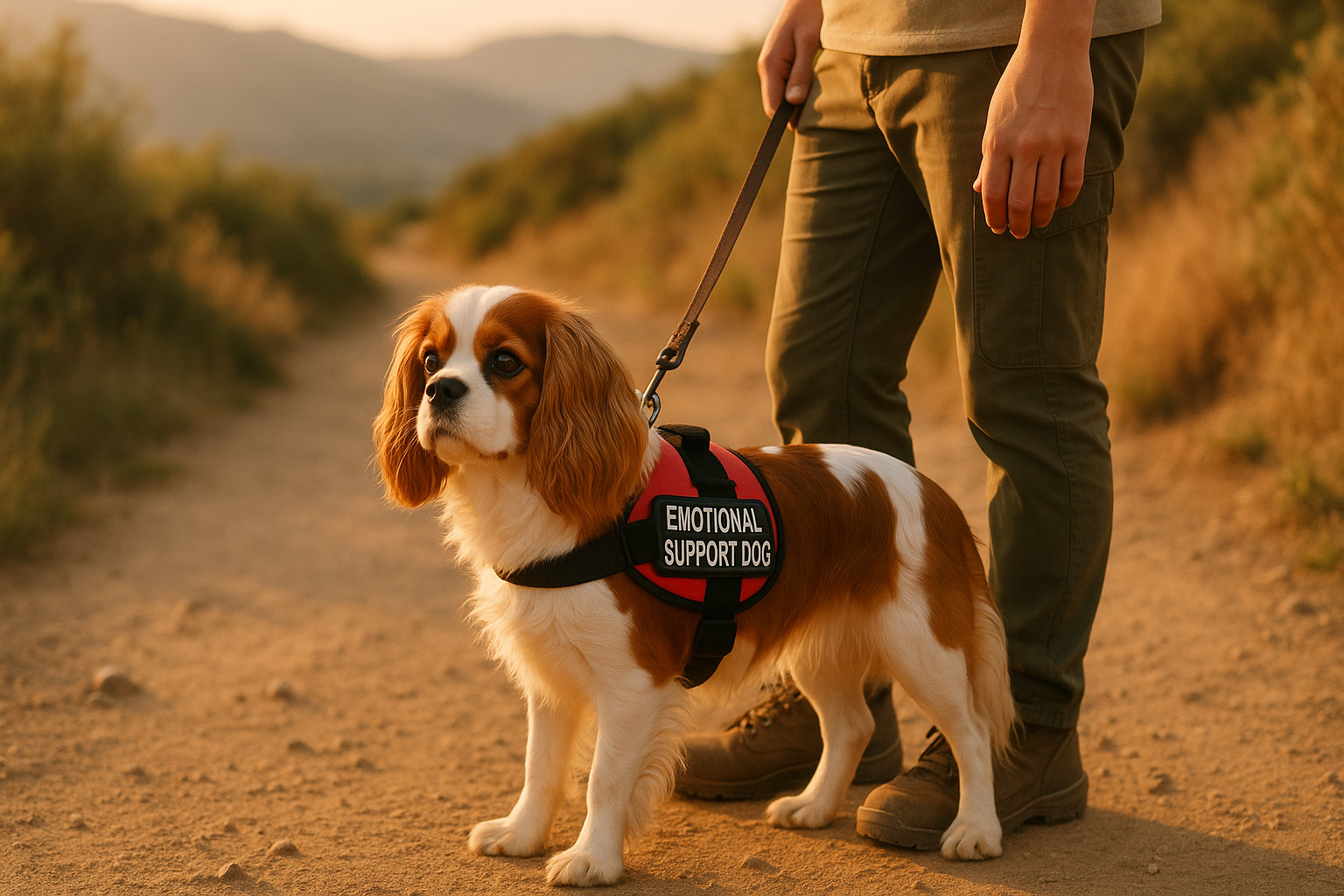
The Cavalier King Charles Spaniel is an elegant and affectionate breed, often cherished for their gentle demeanor and constant companionship. Known for their robust emotional intelligence, these dogs offer a comforting presence for individuals needing emotional support. This article delves into the suitability of the Cavalier King Charles Spaniel as an emotional support dog, exploring their temperament, adaptability, and the environments where they thrive best.
Understanding the Emotional Support Role
Emotional support animals (ESAs) provide comfort and companionship to individuals experiencing emotional or psychological distress. Unlike service animals, they do not require specialized training to perform tasks related to a person’s disability but are expected to offer unwavering support through empathy and companionship. A dog's innate ability to tune into human emotions makes breeds like the Cavalier King Charles Spaniel uniquely suited for this role.
Cavalier King Charles Spaniel Overview
Cavalier King Charles Spaniels are small, affectionate dogs originally bred to be companion animals among the nobility. Their size makes them adaptable to various living spaces and their friendly nature allows them to quickly bond with their owners. Their large, expressive eyes and gentle head tilt often convey empathy and a readiness to connect, making them excellent companions for those seeking emotional support.
Temperament and Emotional Connection
The temperament of the Cavalier King Charles Spaniel plays a significant role in their suitability as an emotional support dog. Naturally affectionate, this breed forms strong bonds with their owners and is known for being both eager to please and highly attuned to their human's moods.
- Empathy and Sensitivity: They possess a keen sensitivity to emotional shifts, often responding with comfort and affection.
- Companionship: Cavaliers thrive on companionship and given their deep emotional connections, they provide stability and alleviate feelings of loneliness or isolation.
- Gentle and Patient: Their non-aggressive and patient demeanor makes them approachable for various individuals, including children and the elderly.
Adaptability and Daily Behavior
Cavaliers easily adapt to different lifestyles and environments, making them suitable for numerous living situations. Their moderate energy levels mean they can comfortably fit into both active and quieter households.
- Moderate Exercise Needs: While they enjoy playtime and walks, they don't demand excessive exercise, making them ideal for less active individuals.
- Ease of Care: Their manageable size and moderate grooming needs contribute to their adaptability in various living arrangements.
- Calming Presence: Cavaliers often exhibit a calm presence, creating a serene environment beneficial for reducing anxiety or stress.
Situations Where Cavalier King Charles Spaniel Provides Strong Support
This breed excels in providing emotional support during various challenging situations:
- Anxiety and Depression: Their steadfast presence can alleviate symptoms of anxiety and depression, offering a sense of structure through consistent companionship.
- Social Situations: Cavaliers can serve as social bridges, easing social interactions by providing their owner a focal point.
- Chronic Illness: Their patience and empathy provide comfort and consistency, crucial for those managing chronic illness or prolonged recovery periods.
Ideal Living Environments
Cavalier King Charles Spaniels are remarkably adaptable to a variety of living environments, making them excellent candidates for emotional support roles in diverse settings:
Register Any Breed
- Apartments and Small Homes: Their small stature and moderate energy efficiently suit confined spaces.
- Family Households: They integrate well into family dynamics, providing emotional support to multiple members.
- Assisted Living: Due to their gentle nature and ability to read emotions, they can also provide comfort in assisted living facilities.
Bonds with Different Types of People
This breed’s friendly and adaptable nature allows them to form meaningful connections with diverse individuals:
- Children: Their playful yet gentle demeanor makes them wonderful companions for children, teaching empathy and responsibility.
- Elderly Individuals: Cavaliers offer calming companionship and are attentive listeners, which can be particularly supportive for older adults.
- Individuals with Special Needs: Their predictable behaviors and affectionate nature make them suitable partners for individuals requiring emotional stability.
Health, Care, and Wellbeing
While Cavaliers are generally healthy, several care aspects are vital to their wellbeing, impacting their consistency as emotional support animals.
Common Health Considerations
Regular veterinary check-ups and awareness of specific health issues will ensure Cavaliers maintain their supportive role effectively.
- Heart Conditions: They are susceptible to heart diseases, necessitating routine cardiovascular evaluations.
- Ear Infections: Regular ear cleaning prevents infections due to their floppy ears.
- Obesity: Mindful feeding and exercising are important as they can be prone to weight gain, affecting their mobility and energy levels.
Grooming, Comfort, and Maintenance Needs
Proper grooming contributes to their comfort and wellbeing, ensuring they remain upbeat and active.
- Brushing: Regular brushing keeps their silky coat free from tangles and maintains skin health.
- Dental Care: Due to their small mouth size, consistent dental hygiene prevents oral health issues.
- Nail Trimming and Bathing: Routine nail trims and periodic bathing ensure overall cleanliness and comfort.
Preparing a Cavalier King Charles Spaniel for Emotional Support Work
Preparing a Cavalier for their role involves socialization and enhancing their natural tendencies to respond to emotional cues.
Socialization and Responsiveness
Socialization encourages Cavaliers to adapt to different environments and people, enhancing their suitability as emotional support animals.
- Exposure to Varied Situations: Familiarizing them with different environments, sounds, and people boosts confidence.
- Positive Reinforcement: Encouraging responsive behavior through rewards fosters their eagerness to please.
Managing Stress and Emotional Cues
Empathizing with their owners is natural for Cavaliers but requires consistent attention to their own emotional health.
- Stress Management: Training them to remain composed in busy or stressful situations ensures they maintain their supportive role.
- Emotional Awareness: Helping them pick up on and respond to their owner’s emotional needs strengthens the human-animal bond.
Strengths, Challenges, and Ideal Homes for Cavalier King Charles Spaniel
Understanding the Cavalier’s strengths and challenges ensures their optimal performance as an emotional support dog.
- Strengths: Affectionate nature, adaptability, and emotional intelligence.
- Challenges: Managing health issues and ensuring they don’t experience separation anxiety.
- Ideal Homes: Environments where their emotional intelligence and companionship are appreciated and utilized.
Final Thoughts
The Cavalier King Charles Spaniel offers a soothing blend of companionship and emotional intelligence, making them well-suited for roles in emotional support. Proper care, grooming, and attention to their emotional and physical needs are vital to maintaining their ability to provide comfort and stability. With their gentle and affectionate nature, these dogs can significantly enhance the wellbeing of individuals needing emotional support.
Key Takeaways for the Cavalier King Charles Spaniel as an Emotional Support Dog
- Best suited for: Families, single individuals, elderly people, and various living environments.
- Not ideal for: Extremely active individuals or environments requiring high levels of endurance.
- Emotional traits: Empathetic, affectionate, and highly attuned to human emotions.
- Care and health notes: Regular veterinary care is crucial, especially for heart health; grooming is moderate and manageable.
- Environments where they provide the most comfort: Apartments, family homes, assisted living facilities, and individuals with special needs.


-
Public Access Kits
$149.00 Learn more This product has multiple variants. The options may be chosen on the product page -
Quick Ship Premium Vests
$48.00 – $82.00 Learn more This product has multiple variants. The options may be chosen on the product page -
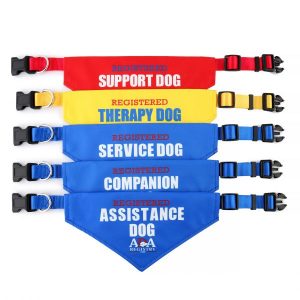
Service Dog Bandana
$39.95 Learn more This product has multiple variants. The options may be chosen on the product page
Custom ID Cards

Custom ID Cards
Custom Service Dog Tags
Official Dog Vests

Smart Vests
Official Public Access Kits
Complete Kits
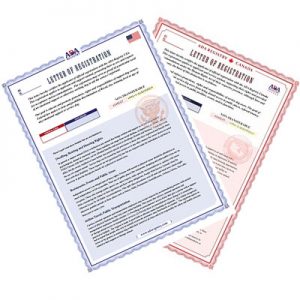
USA & CANADA Letters
High Quality Bandanas
Service Dog Tags
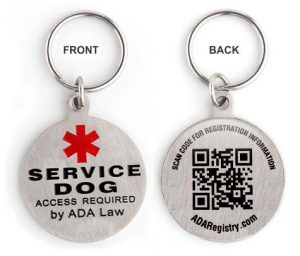
Smart Tags

ESA TAGS