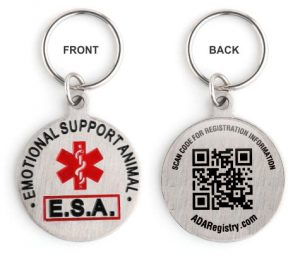
Chow Chow as an Emotional Support Dog
Register Any Breed
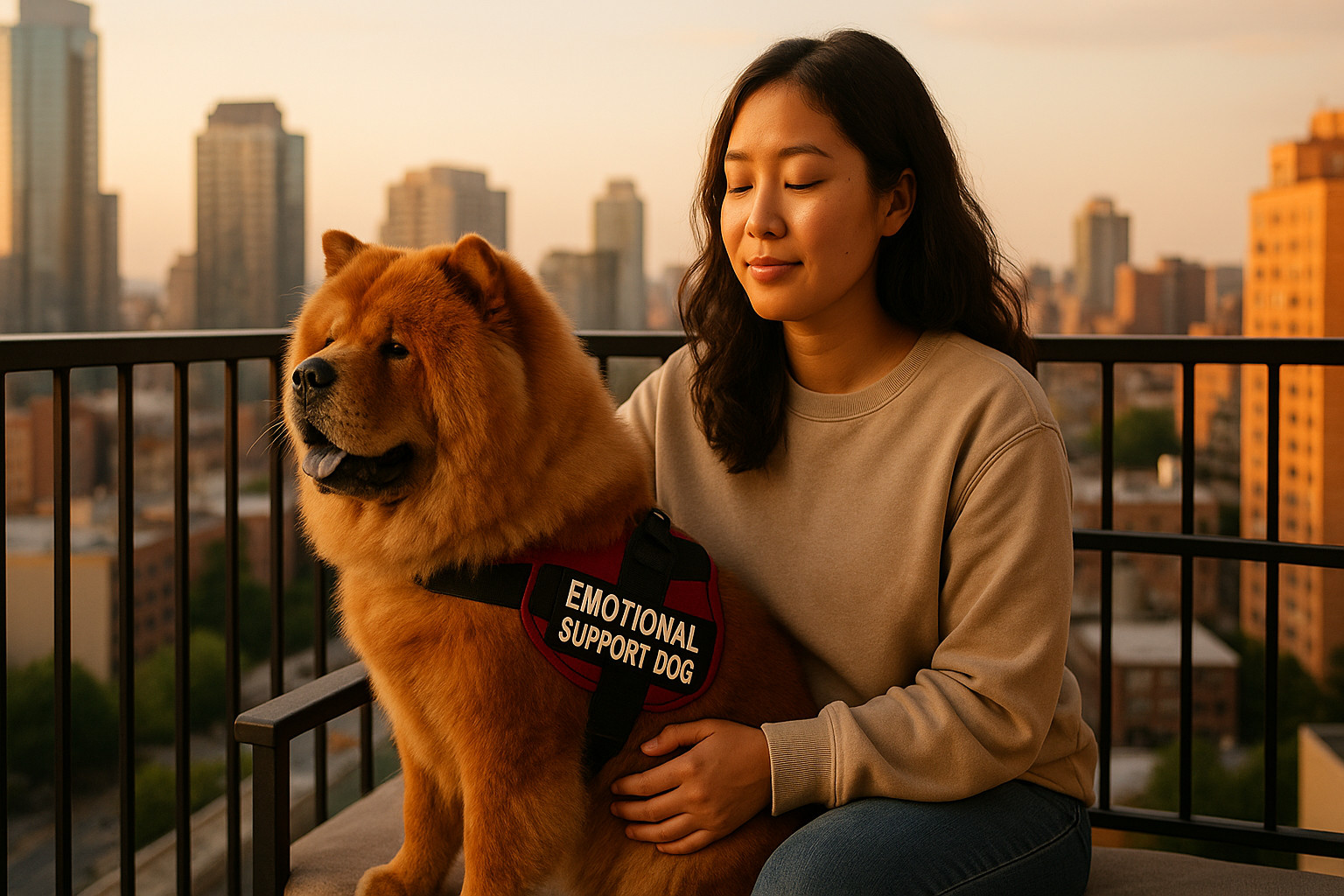
The Chow Chow, with its lion-like appearance and dignified demeanor, is a unique choice for an emotional support dog. This article explores the breed's attributes that make it suitable for providing emotional companionship and stability. When considering a Chow Chow as an emotional support animal, it's important to understand their temperament, adaptability, and care requirements to ensure a harmonious human-animal bond.
Understanding the Emotional Support Role
Emotional support animals (ESAs) are vital companions for individuals dealing with emotional or psychological challenges. Unlike service dogs, ESAs do not require specific task training but are valued for their companionship, which can alleviate symptoms of anxiety, depression, and other mental health conditions. The Chow Chow’s particular traits offer a distinct form of emotional support that resonates with certain individuals.
Chow Chow Overview
The Chow Chow is a sturdy, medium-sized dog with a sturdy frame and a thick coat that exudes a majestic aura. Originating from China, this ancient breed historically served as a working dog, but today they are more known for their calm and loyal nature.
Temperament and Emotional Connection
Chow Chows are often perceived as aloof, yet their loyalty to their humans is profound. They are:
- Loyal: Often forming deep bonds with a single person or family.
- Independent: Appreciating companionship without being overly demanding.
- Protective: Instinctually guarding their space, offering a sense of security.
Their demeanor allows them to provide a stable presence, reassuring those with emotional needs. While not overly expressive, their subtle ways of offering support—such as quietly sitting beside someone—can be deeply comforting.
Adaptability and Daily Behavior
The Chow Chow’s adaptability to various environments is a key aspect of their role as an ESA:
- Energy Levels: Generally calm with lower exercise demands than more active breeds, suitable for less active individuals.
- Routine-Oriented: Thrive on a consistent daily routine, providing structure which can be comforting to those who benefit from stability.
Their presence can help reduce anxiety by providing a steady, calm influence in daily life, ideal for individuals who appreciate predictability and routine.
Register Any Breed
Situations Where Chow Chow Provides Strong Support
Chow Chows excel in situations where a calm and reassuring presence is required:
- Managing Anxiety: Their calm demeanor can help soothe anxiety or stress.
- Combatting Loneliness: Their presence can alleviate loneliness, especially in isolated settings.
- Routine Support: For those who thrive on routine, their need for regularity can help structure a person’s day.
Ideal Living Environments
Chow Chows can adapt to different living situations, from city apartments to suburban spaces, with some considerations:
- Space Needs: They do not require much space to thrive, making them suitable for apartments provided they receive regular walks.
- Quiet Households: Often best suited for quieter homes where their independence and calm can be appreciated.
Their adaptability allows them to provide comfort in both solo and family settings, adjusting to the dynamics of the environment.
Bonds with Different Types of People
Chow Chows have the potential to bond with a wide range of individuals:
- Single People: Often forming a strong bond with a single person, providing loyal companionship.
- Families: Protective yet gentle, they can be family-oriented while often favoring one family member.
- Elderly Individuals: Their calm nature and low exercise requirements make them suitable companions for older adults.
Health, Care, and Wellbeing
Understanding the health needs of a Chow Chow is essential for their role as an ESA:
Common Health Considerations
- Joint Health: Prone to hip dysplasia, regular vet check-ups are essential.
- Eye Health: Entropion is a common issue; regular eye examinations are important.
Grooming, Comfort, and Maintenance Needs
Chow Chows require regular grooming due to their dense coat:
- Brushing: Regular brushing prevents matting and helps manage shedding.
- Bathing: Occasional bathing is sufficient but ensure thorough drying to avoid skin issues.
Consistent grooming sessions can also serve as bonding time, enhancing emotional connections.
Preparing a Chow Chow for Emotional Support Work
Invest time in preparing your Chow Chow for its supportive role:
Socialization and Responsiveness
- Socialization: Early and consistent socialization helps reduce aloofness and aids in responsiveness.
- Training: Basic obedience ensures they remain manageable in various environments.
Managing Stress and Emotional Cues
Understanding and managing their stress cues ensure they provide reliable support:
- Stress Signals: Learn and recognize signs of stress to address promptly.
- Calm Environments: Providing a tranquil environment supports their role as effective ESAs.
Strengths, Challenges, and Ideal Homes for Chow Chow
Chow Chows bring distinct strengths as ESAs, balanced by specific challenges:
- Strengths: Loyalty, calm demeanor, low exercise needs.
- Challenges: Aloofness towards strangers, grooming demands.
By understanding these aspects, owners can provide the ideal environment for their Chow Chow’s emotional support role.
Final Thoughts
The Chow Chow’s unique mix of loyalty, calmness, and independence makes it a distinctive choice for an emotional support dog. Understanding their needs and temperament ensures they can provide consistent emotional stability and companionship to their owners.
Key Takeaways for the Chow Chow as an Emotional Support Dog
- Best suited for: Calm, routine-oriented individuals or families, apartments or quiet homes.
- Not ideal for: Highly active individuals or environments demanding high social interaction.
- Emotional traits: Loyal, calm, protective, less demanding.
- Care and health notes: Regular grooming, vigilant health monitoring.
- Environments where they provide the most comfort: Quiet households, with consistent routines.


-
Public Access Kits
$149.00 Learn more This product has multiple variants. The options may be chosen on the product page -
Quick Ship Premium Vests
$48.00 – $82.00 Learn more This product has multiple variants. The options may be chosen on the product page -
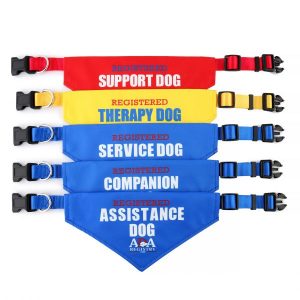
Service Dog Bandana
$39.95 Learn more This product has multiple variants. The options may be chosen on the product page
Custom ID Cards

Custom ID Cards
Custom Service Dog Tags
Official Dog Vests
Smart Vests
Official Public Access Kits
Complete Kits
USA & CANADA Letters
High Quality Bandanas
Service Dog Tags
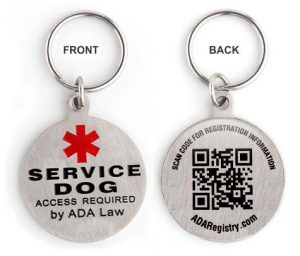
Smart Tags

ESA TAGS