Collie as an Emotional Support Dog
Register Any Breed
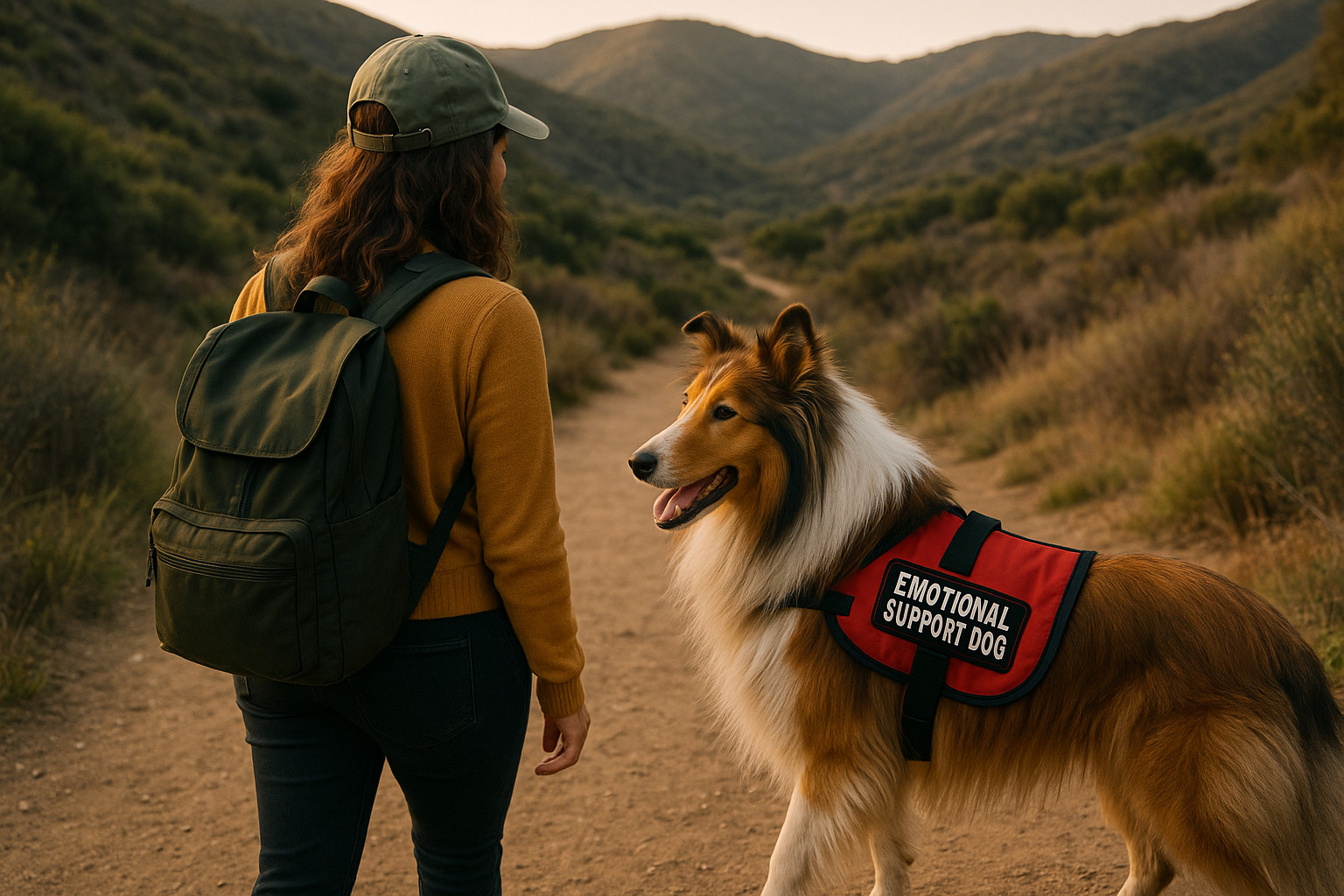
Certainly! Below is a comprehensive, professionally written article suitable for a WordPress post, complete with Yoast optimization considerations for the topic “Collie as an Emotional Support Dog.”
—
Understanding the Emotional Support Role
Emotional support animals (ESAs) play a significant role in mental health care by providing comfort, reducing anxiety, and offering companionship to individuals who may be struggling with emotional or psychological challenges. Among the various breeds considered for this role, the Collie stands out due to its gentle demeanor, intelligence, and empathetic nature. This article delves into why Collies make excellent emotional support dogs, detailing their unique traits and compatibility with the ESA role.
Collie Overview
The Collie, renowned for its intelligence and loyalty, is a medium-to-large herding breed celebrated for its iconic appearance and exceptional nurturing instincts. With origins in Scotland, the breed was historically utilized for guiding and protecting livestock, underscoring their natural inclination towards leadership and empathy. Known for their long or short coats, Collies are immediately recognizable and beloved as family dogs due to their friendly, affectionate nature.
Temperament and Emotional Connection
Collies are characterized by their warm, gentle disposition and are naturally attuned to human emotions. These qualities make them extraordinarily effective as emotional support dogs:
- Empathy: Collies have a remarkable ability to sense human emotions, often reacting intuitively to distress or anxiety by offering comfort through their presence.
- Loyalty: Their strong attachments often translate to a dependable bond, ensuring a consistent emotional anchor for those they support.
- Gentle Nature: This nurturing temperament allows them to create a calming atmosphere, alleviating stress and fostering emotional stability.
Adaptability and Daily Behavior
One of the Collie’s most favorable traits is its adaptability, which makes it a suitable companion in various living environments:
- Energy Levels: While Collies are active and enjoy regular exercise, they can adapt to the activity levels of their household, maintaining calm and attentiveness indoors.
- Daily Interactions: Collies excel in maintaining routines and enjoy participating in daily activities, offering companionship that helps provide structure and predictability — essential elements for emotional wellness.
Situations Where Collie Provides Strong Support
Collies excel in situations where consistent, comforting presence is needed. Examples include:
Register Any Breed
- Support during Crisis: Their innate nurturing instinct makes Collies soothing companions during emotional turmoil.
- Daily Emotional Support: Whether it’s loneliness or anxiety, a Collie’s presence provides assurance and stability.
- Crisis Intervention: Collies naturally defuse high-emotion situations, offering both physical and emotional calming influences.
Ideal Living Environments
For Collies to thrive as emotional support animals, certain living conditions can amplify their comforting abilities:
- Family Homes: Collies thrive in environments where they can interact and play with family members.
- Assisted Living Spaces: Their gentle nature makes them ideal companions for seniors or individuals in assisted living.
- Apartments with Parks Nearby: While adaptable to cramped spaces, access to open areas is beneficial in maintaining the Collie’s well-being.
Bonds with Different Types of People
Collies establish strong emotional connections with diverse groups:
- Adults and Seniors: Their steady disposition and routine-loving nature provide reliable support.
- Families with Children: Their protective instincts and patience make them perfect family companions.
- Single Individuals: Offering companionship without overwhelming demand for attention, Collies reassure those living alone.
Health, Care, and Wellbeing
Ensuring the health and wellbeing of a Collie is pivotal to them fulfilling their role as an emotional support dog:
Common Health Considerations
While generally healthy, Collies are prone to certain hereditary conditions:
- Collie Eye Anomaly (CEA): Regular eye exams can manage and prevent vision issues.
- Hip Dysplasia: Maintaining a healthy weight and routine exercise is crucial.
- Allergies: Like many breeds, Collies may have seasonal or environmental allergies requiring management.
Grooming, Comfort, and Maintenance Needs
Grooming is an integral aspect of a Collie’s care regimen:
- Coat Maintenance: Regular brushing prevents matting and reduces shedding.
- Bathing and Cleanliness: Scheduled baths and grooming sessions are essential for comfort and hygiene.
- Dental and Ear Care: Routine cleaning avoids infections and promotes overall health.
Preparing a Collie for Emotional Support Work
Becoming an effective emotional support dog requires preparation:
Socialization and Responsiveness
- Socialization from a Young Age: Expose them to various people, settings, and experiences to cultivate confidence and adaptability.
- Training in Basic Commands: Understanding commands like “sit,” “stay,” and “come” enhances their responsiveness and behavior management.
Managing Stress and Emotional Cues
- Identifying Stressors: Owners should learn to recognize signs of distress to manage environments accordingly.
- Cue Interpretation: Training should include understanding human emotional cues, enhancing their responsive nature.
Strengths, Challenges, and Ideal Homes for Collie
Collies bring numerous strengths to an emotional support role, but certain challenges must be managed:
- Strengths: Empathetic, loyal, and adaptable.
- Challenges: Require regular exercise and can be prone to separation anxiety if left alone frequently.
- Ideal Homes: Active families, individuals who appreciate routine and interaction, homes with space for movement, and those willing to engage in regular training and socialization.
Final Thoughts
Collies possess exceptional qualities that make them highly effective as emotional support animals. Their combination of sensitivity, loyalty, and intelligence ensures they provide meaningful companionship and stability to those in need. By partnering with a Collie, individuals can experience a profound emotional connection that supports mental health and enhances overall wellbeing.
Key Takeaways for the Collie as an Emotional Support Dog
- Best suited for: Active families, individuals seeking loyal companionship and emotional stability.
- Not ideal for: People unable to commit to regular exercise and grooming.
- Emotional traits: Empathetic, gentle, intuitive to human emotions.
- Care and health notes: Regular grooming, exercise, and health check-ups for conditions like CEA and hip dysplasia are essential.
- Environments where they provide the most comfort: Family homes, assisted living spaces, apartments with access to parks.
This guide provides insights into why the Collie is an outstanding choice for an emotional support animal, ensuring informed decisions for those considering adding a Collie to their life for comfort and companionship.


-
Public Access Kits
$149.00 Learn more This product has multiple variants. The options may be chosen on the product page -
Quick Ship Premium Vests
$48.00 – $82.00 Learn more This product has multiple variants. The options may be chosen on the product page -
Service Dog Bandana
$39.95 Learn more This product has multiple variants. The options may be chosen on the product page
Custom ID Cards

Custom ID Cards
Custom Service Dog Tags

Official Dog Vests

Smart Vests
Official Public Access Kits
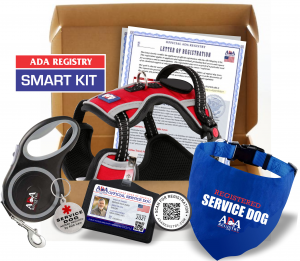
Complete Kits
USA & CANADA Letters

High Quality Bandanas

Service Dog Tags
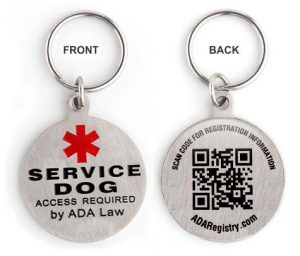
Smart Tags

ESA TAGS