Doberman Pinscher as an Emotional Support Dog
Register Any Breed
Understanding the Emotional Support Role
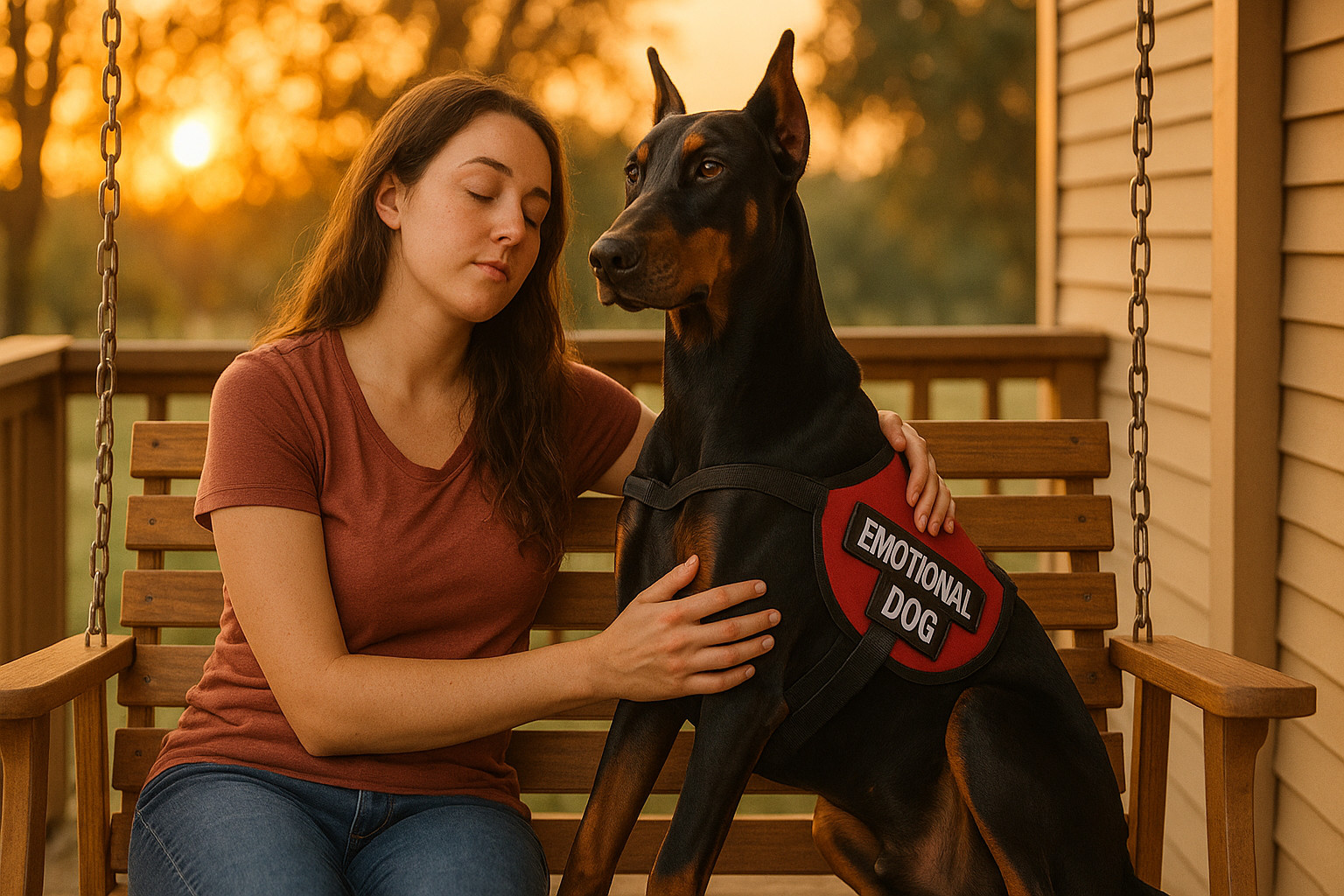
Emotional Support Animals (ESAs), unlike service animals, are primarily tasked with offering comfort and support through companionship. They are not trained for specific tasks that assist with a disability but instead help alleviate emotional or mental issues by providing consistent and soothing companionship. A Doberman Pinscher, with its loyal and intuitive nature, can excel in the role of an ESA for individuals seeking comfort and emotional stabilization.
Doberman Pinscher Overview
The Doberman Pinscher, often recognized for its sleek physique and impressive intelligence, is a breed that combines strength with sensitivity. Originally bred in Germany for personal protection, Dobermans have evolved as highly versatile dogs, often associated with a reputation for being alert, fearless, and loyal. While their imposing appearance might suggest otherwise, Dobermans possess a deep ability to understand human emotions and forge strong emotional bonds with their owners.
Temperament and Emotional Connection
Dobermans are renowned for their gentle nature when properly socialized and trained, making them an excellent choice for emotional support. Their temperament is typically characterized by:
- Loyalty: An unwavering bond with their owners ensures continuous companionship, reducing feelings of loneliness and isolation.
- Empathy: Their natural ability to sense emotional shifts makes them adept at providing comfort during stressful situations.
- Affectionate Disposition: Dobermans thrive on interaction and physical affection, which fosters emotional connectivity and alleviates anxiety.
Their empathetic nature allows them to tune into human emotions seamlessly, making them a comforting presence in times of distress.
Adaptability and Daily Behavior
Dobermans are highly adaptable, able to adjust to different environments and lifestyles, whether it be an urban apartment or a sprawling countryside. Their daily demeanor is generally calm, but they are also energetic enough to partake in activities that can effectively distract from stressful thoughts or anxiety-inducing scenarios. A typical day with a Doberman involves:
- Consistent Routine: They thrive on consistency, which provides structure for owners needing stability.
- Exercise and Engagement: Regular exercise impacts both the dog’s and owner’s mental health positively and is crucial in keeping energy levels manageable.
- Companionship: They enjoy close proximity with humans, often following their owners and providing silent support and company.
Situations Where Doberman Pinscher Provides Strong Support
The Doberman’s intuitive nature allows them to shine in situations that require emotional backing. They are particularly helpful in:
- Anxiety Reduction: The calm presence of a Doberman can act as a grounding force during anxiety attacks.
- Social Assistance: Their confident demeanor helps owners navigate social scenarios with more assurance.
- Stress Relief: Familiar routines and affectionate gestures help alleviate daily stressors.
Additionally, their alertness provides a sense of security, further contributing to reduced anxiety and fostering a sense of safety.
Register Any Breed
Ideal Living Environments
When considering a Doberman Pinscher as an emotional support animal, the living environment plays a significant role in maximizing their effectiveness. Ideal setups include:
- Family Homes: They bond well with families, providing emotional support across different generations.
- Apartments: With the right exercise regime, they adapt well to apartment living, offering a calming presence despite limited space.
- Assisted Living Facilities: Their gentle nature can provide immense comfort to elderly individuals needing emotional support.
A Doberman’s adaptability ensures they can successfully provide support in various living situations, given proper care and attention.
Bonds with Different Types of People
Dobermans form strong attachments not only to individual owners but to entire families or groups. They are especially beneficial for:
- Single Owners: Offering unwavering loyalty and companionship to individuals who may otherwise feel isolated.
- Families: Providing emotional connections to all family members, often showing more patience around children and seniors.
- Elderly Individuals: Their protective yet gentle nature makes them ideal companions for those in assisted living.
Their ability to form these deep connections is key to their success as emotional support animals across different demographics.
Health, Care, and Wellbeing
For Dobermans to thrive as emotional support animals, attention to their health and care is vital. This encompasses:
- Regular Veterinary Check-ups: Essential for maintaining good health and catching any potential issues early.
- Proper Diet and Nutrition: A balanced diet ensures they have the necessary energy levels for both physical and emotional support.
- Mental Stimulation: Routine training and puzzle toys help maintain their keen intelligence, making them more effective companions.
A healthy and well-cared-for Doberman is better equipped to provide the emotional stability their owner requires.
Common Health Considerations
Dobermans are generally healthy but are predisposed to certain health issues that owners should be aware of:
- Heart Conditions: Particularly Dilated Cardiomyopathy, which necessitates regular heart screenings.
- Hip Dysplasia: Regular exercise and monitoring help mitigate joint issues.
- Von Willebrand’s Disease: A bleeding disorder that requires vigilance and occasionally specific medical attention.
Being proactive and informed about these potential health concerns ensures the Doberman remains a steadfast emotional support animal.
Grooming, Comfort, and Maintenance Needs
Dobermans have a sleek coat requiring minimal grooming, yet maintaining their comfort through regular care enhances their effectiveness as emotional support animals:
- Regular Brushing: Keeps their coat healthy and provides an opportunity for bonding.
- Nail Trimming: Prevents discomfort, ensuring they remain active and engaged as a companion.
- Dental Care: Important for overall health and longevity.
Proper grooming contributes to their general well-being, helping them remain a consistent source of comfort.
Preparing a Doberman Pinscher for Emotional Support Work
Appropriate preparation is key when transitioning a Doberman into the role of an emotional support animal:
- Early Socialization: Introducing various environments and experiences early on promotes confidence and reduces anxiety.
- Training for Responsiveness: Ensures they respond suitably to emotional cues, enhancing their supportive role.
- Positive Reinforcement: Encourages desirable behaviors that promote a calming presence.
Effective preparation fosters a Doberman’s natural attributes, readying them for their role as an emotional stabilizer.
Socialization and Responsiveness
A socially acclimated Doberman demonstrates higher confidence and adaptability, which is critical for emotional support work:
- Exposure to Different People and Animals: Prevents over-protectiveness and broadens their scope of support.
- Desensitization to Environmental Stimuli: Reduces undue stress reactions and enhances their calming effect on their owner.
- Engagement in Group Activities: Builds trust and strengthens the emotional bond.
These practices develop their capacity to be attentive and responsive companions, crucial for any emotional support animal.
Managing Stress and Emotional Cues
Managing their own stress is crucial for Dobermans to effectively read and respond to their owner's emotions:
- Exercise as Stress Relief: Regular physical activity helps pace their energy levels and diminishes anxiety.
- Routine and Predictability: A structured environment aids in reducing canine stress, ensuring stable support.
- Emotional Cues Training: Recognizing specific signs of distress in humans allows them to provide targeted comfort.
Their intuitive grasp of emotional cues, paired with effective stress management, underscores their role as proficient emotional anchors.
Strengths, Challenges, and Ideal Homes for Doberman Pinscher
While Dobermans are strong candidates for emotional support roles thanks to their innate empathy and loyalty, it’s essential to consider:
- Strengths:
- Robust emotional intelligence and bonding abilities.
- Protective instincts offering security and support.
- Strong work ethic and eagerness to please.
- Challenges:
- Potential health issues requiring attentive care.
- Need for regular physical and mental stimulation.
- Early and consistent socialization is mandatory.
Ideal homes capitalize on their strengths while addressing potential challenges through informed care and responsibility.
Final Thoughts
The Doberman Pinscher can be an extraordinary emotional support dog, combining loyalty, empathy, and intelligence. Their ability to connect emotionally renders them invaluable companions for those seeking comfort and stability amidst life's challenges. With appropriate care and preparation, they become not just pets, but integral family members who enrich the lives they touch.
Key Takeaways for the Doberman Pinscher as an Emotional Support Dog
- Best suited for: Individuals or families seeking a loyal, affectionate companion with high emotional intelligence.
- Not ideal for: Those unable to commit to regular exercise and active engagement.
- Emotional traits: Highly empathetic, loyal, responsive, and affectionate.
- Care and health notes: Requires routine veterinary care, socialization, and mental stimulation to maintain health and effectiveness.
- Environments where they provide the most comfort: Family homes, urban apartments with proper exercise, assisted living settings.


-
Public Access Kits
$149.00 Learn more This product has multiple variants. The options may be chosen on the product page -
Quick Ship Premium Vests
$48.00 – $82.00 Learn more This product has multiple variants. The options may be chosen on the product page -
Service Dog Bandana
$39.95 Learn more This product has multiple variants. The options may be chosen on the product page
Custom ID Cards
Custom ID Cards
Custom Service Dog Tags
Official Dog Vests

Smart Vests
Official Public Access Kits
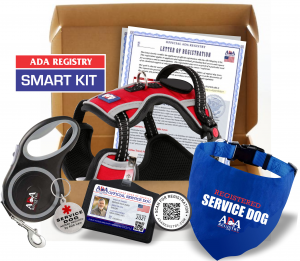
Complete Kits
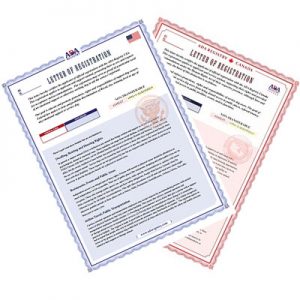
USA & CANADA Letters
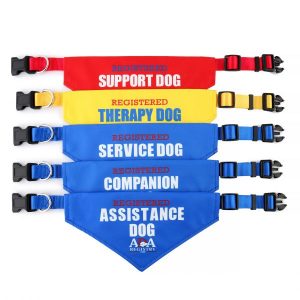
High Quality Bandanas
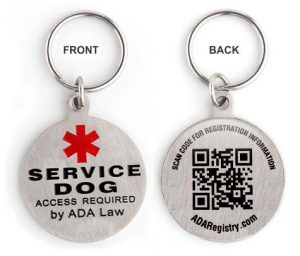
Service Dog Tags
Smart Tags

ESA TAGS