Dogo Argentino as an Emotional Support Dog
Register Any Breed
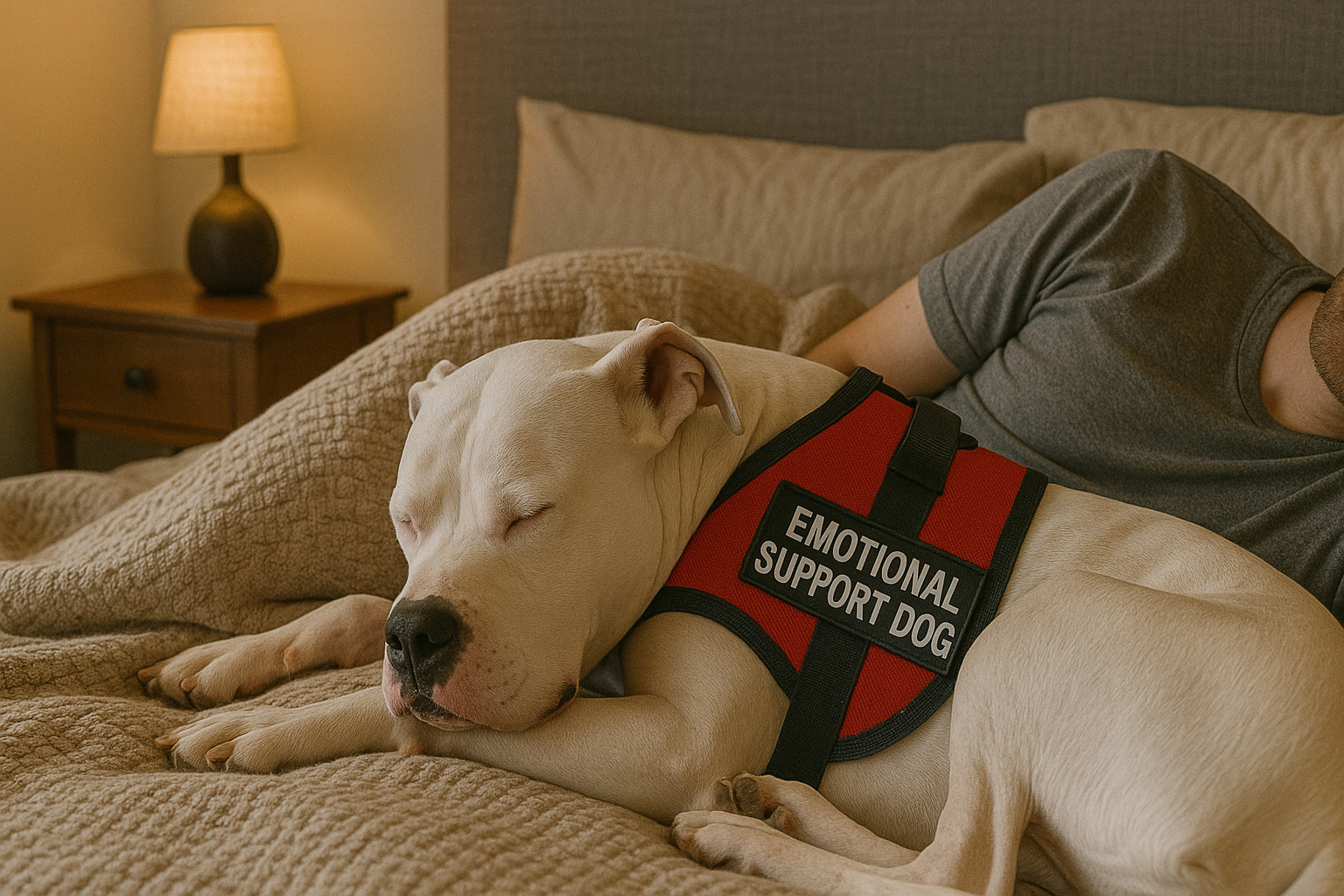
The Dogo Argentino is a breed often recognized for its strength and muscular build, traditionally used for hunting and protection. However, their loyalty and affectionate nature also lend themselves remarkably well to the role of an Emotional Support Animal (ESA). Here's how the Dogo Argentino can embody this role effectively.
Understanding the Emotional Support Role
Emotional support animals provide companionship that helps alleviate symptoms of various mental health conditions such as anxiety, depression, and PTSD. While they do not require the extensive training of service dogs, their impact on emotional wellbeing is profound. The Dogo Argentino, with its balanced temperament and devotion, can be an excellent candidate for this supportive role.
Dogo Argentino Overview
The Dogo Argentino is a breed that projects confidence and strength. Originally bred in Argentina, these dogs were developed as hunting dogs for big game, such as wild boar and puma. Despite their robust and formidable appearance, Dogos are known for their affectionate nature and profound loyalty to their human companions.
- Breed Characteristics:
- Height: 24-27 inches
- Weight: 80-100 pounds
- Lifespan: 9-15 years
- Coat: Short, smooth, white
Their lively yet dignified demeanor makes them uniquely suited for providing reliable companionship and emotional stability.
Temperament and Emotional Connection
Dogos are known for their deep emotional connections with their owners. They're attentive and perceptive, often intuitively responding to emotional cues. Here’s how their temperament stands out in offering emotional support:
- Loyalty and Devotion: These dogs form strong bonds with their owners, demonstrating unwavering loyalty. Such connectedness is crucial for individuals needing constant emotional support.
- Sensitive and Observant: Dogos are perceptive and can sense emotional changes in their owners. They intuitively respond to stress or anxiety by displaying comforting behaviors such as nudging or resting calmly beside their human companion.
- Calm Demeanor: Despite their energetic persona, when indoors and around their families, Dogos maintain a calm and reassuring presence.
Adaptability and Daily Behavior
Though active, the Dogo Argentino is adaptable to different living situations, making it suitable for a variety of lifestyles.
- Energy Levels and Exercise Needs: While they do require regular exercise to maintain health and happiness, Dogos can thrive in both urban and rural environments, given they receive adequate physical activity.
- Routine and Stability: Being creatures of habit, they often adapt well to set routines, providing consistent emotional support that can be comforting to those with anxiety disorders.
This adaptability is particularly beneficial for those who experience social anxiety, as the Dogo’s steadfast nature helps pave new social interactions and environments with confidence.
Register Any Breed
Situations Where Dogo Argentino Provides Strong Support
Dogos excel in environments and situations where their loyalty and empathetic nature can shine through:
- Companionship for Single Individuals: Their attentiveness and need for company make them excellent companions for single people or those living alone, preventing feelings of loneliness.
- Comfort in Therapeutic Settings: In environments where relaxation and comfort are needed, such as therapy sessions, their calming presence can be invaluable.
- Support during Unrest: Given their historical role as guard dogs, their reassuring stance against potential threats offers comfort and a sense of security.
Ideal Living Environments
While the Dogo Argentino is versatile, specific environments allow them to provide optimum emotional support.
- Family Homes with Yards: Ideal for Dogos to exercise and engage, a family home with space allows them to balance their energy appropriately while still participating in household activities.
- Apartments with Daily Outings: Although they might seem too large for apartment living, with regular and effective exercise, Dogos can adapt quite well.
- Active Lifestyles: Owners who enjoy outdoor activities such as hiking or running will find the Dogo a spirited and motivating companion.
Bonds with Different Types of People
Dogos are flexible, forming enduring attachments with various personalities:
- Families: With proper socialization, they integrate well with family life, even around children, due to their tolerable and gentle nature.
- Older Adults: Their calm indoor behavior can make them wonderful companions for older adults requiring less active engagement.
- Emotionally Supportive Roles for Professionals: Therapists and healthcare professionals can benefit from a Dogo's comforting presence during patient interactions.
Health, Care, and Wellbeing
Maintaining a Dogo Argentino’s health is crucial for them to effectively fulfill their role as an emotional support dog.
Common Health Considerations
Like any dog breed, Dogos have certain health predispositions:
- Deafness: Common in many white-coated breeds, unilateral or bilateral deafness is a concern.
- Hip Dysplasia: Regular screenings and monitoring should be part of their health routine.
- Skin Allergies: Due to their short and light-colored coat, they can be prone to skin sunburns or irritations.
Grooming, Comfort, and Maintenance Needs
Dogos are relatively low-maintenance when it comes to grooming, though their needs must be met to ensure they remain comfortable and healthy:
- Grooming Requirements: Regular brushing helps maintain coat health and reduces shedding.
- Nail Maintenance and Dental Health: Routine nail trimming and dental hygiene are necessary to prevent discomfort or health issues.
With their comfort needs adequately met, Dogos can provide uninterrupted emotional support.
Preparing a Dogo Argentino for Emotional Support Work
Preparation involves ensuring the Dogo exhibits behaviors consistent with providing comfort.
Socialization and Responsiveness
Proper socialization from a young age ensures they are relaxed in varied environments and around different people.
- Group Interactions: Exposure to different social settings helps them maintain composure and calm, reducing over-protectiveness.
- Training and Commands: Basic obedience training enhances their ability to follow commands that help support the owner during emotionally challenging times.
Managing Stress and Emotional Cues
Training and sensitivity to handler cues are critical in shaping a Dogo’s ability to provide emotional support.
- Observation of Human Emotion: Through active reinforcement, they can be encouraged to recognize and react supportively to human emotions such as stress or anxiety.
- De-Stressing Exercises: Engaging in activities that they enjoy, such as fetch or agility games, helps them remain stress-free, ready to support their owner’s emotional needs.
Strengths, Challenges, and Ideal Homes for Dogo Argentino
Appropriately analyzing their strengths and challenges helps determine the best fit for a Dogo Argentino as an emotional support dog.
- Strengths: Loyalty, empathy, adaptability, physical robustness tempered with gentle support.
- Challenges: Requires active management of health issues and proper socialization due to protective instincts.
- Ideal Homes: Committed owners who can meet their physical and emotional needs, providing a stable environment.
Final Thoughts
Choosing a Dogo Argentino as an emotional support dog requires dedication to their wellbeing, balanced with the perfect environment for them to warmly fulfill their supportive role. Their loyalty and calming presence can significantly impact an individual’s daily life, offering exceptional companionship and comfort.
—
Key Takeaways for the Dogo Argentino as an Emotional Support Dog
- Best suited for: Active individuals or families, those desiring a loyal and protective companion, homes with outdoor space.
- Not ideal for: First-time dog owners without experience in handling strong-willed breeds, homes unable to offer consistent exercise.
- Emotional traits: Highly loyal, affectionate, empathetic, observant of human emotions.
- Care and health notes: Regular exercise, monitoring for common health concerns such as deafness and hip dysplasia, socialization.
- Environments where they provide the most comfort: Family homes, therapeutic settings, situations requiring emotional grounding and support.


-
Public Access Kits
$149.00 Learn more This product has multiple variants. The options may be chosen on the product page -
Quick Ship Premium Vests
$48.00 – $82.00 Learn more This product has multiple variants. The options may be chosen on the product page -
Service Dog Bandana
$39.95 Learn more This product has multiple variants. The options may be chosen on the product page
Custom ID Cards

Custom ID Cards
Custom Service Dog Tags
Official Dog Vests

Smart Vests
Official Public Access Kits
Complete Kits
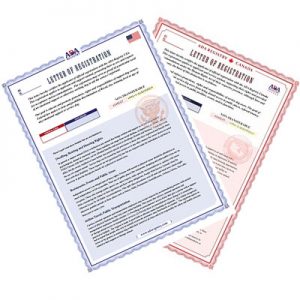
USA & CANADA Letters
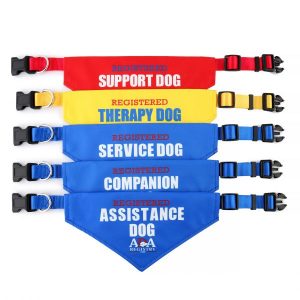
High Quality Bandanas
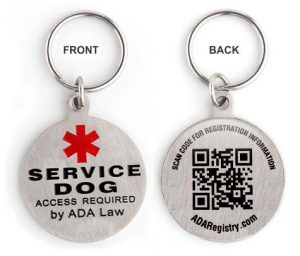
Service Dog Tags
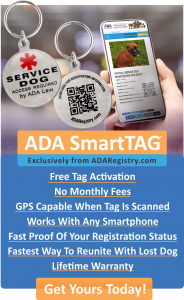
Smart Tags
ESA TAGS