Great Pyrenees as an Emotional Support Dog
Register Any Breed
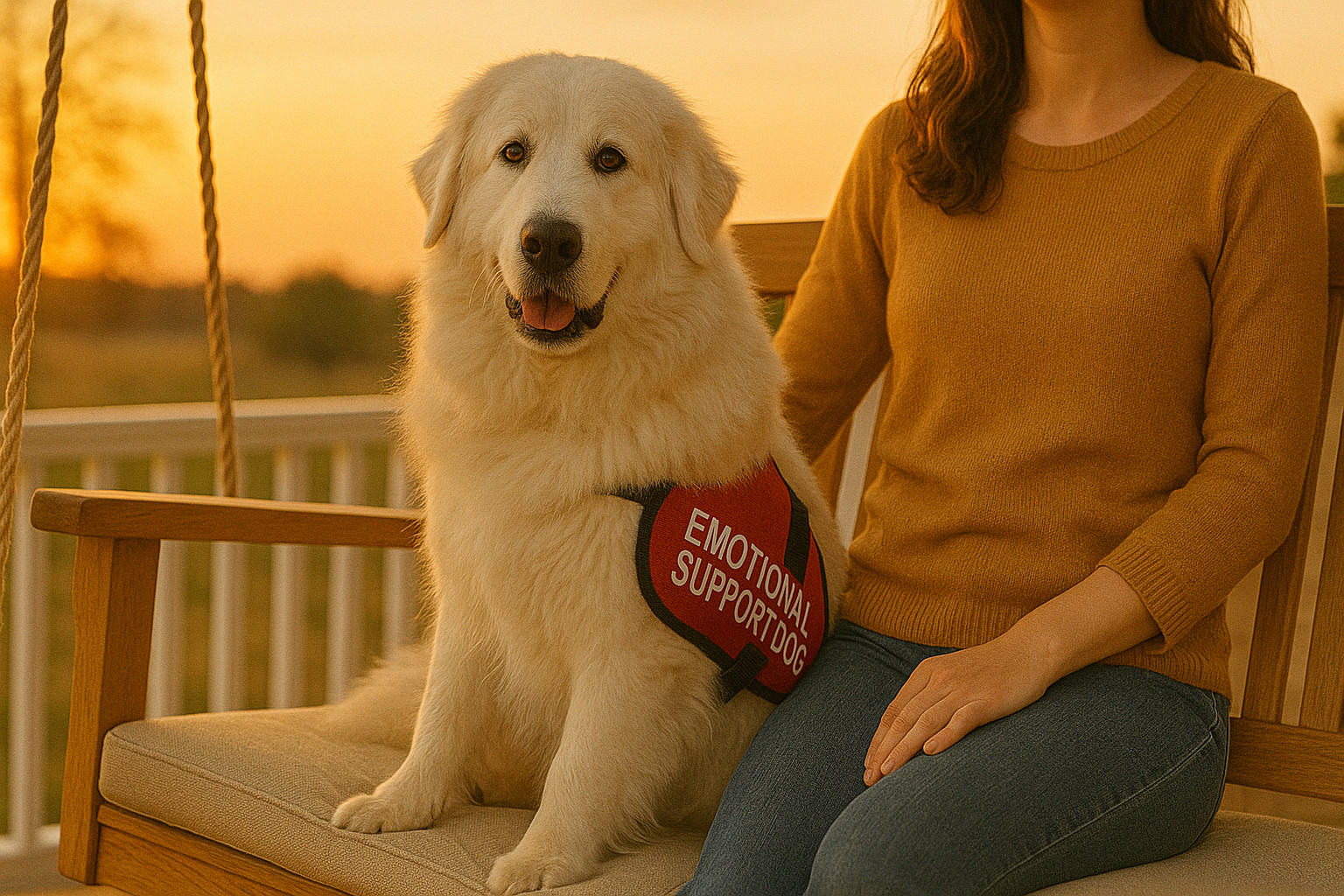
The charming and gentle Great Pyrenees, with its majestic appearance and nurturing disposition, demonstrates incredible potential as an emotional support dog. This breed's unique characteristics cater perfectly to those seeking companionship that offers both emotional stability and affectionate support. In this comprehensive guide, we will explore how these traits make the Great Pyrenees an ideal candidate for providing emotional comfort, including practical aspects of care, grooming, and lifestyle considerations.
Understanding the Emotional Support Role
Emotional support animals (ESAs) play a crucial role in improving the psychological health of individuals experiencing mental or emotional challenges. Unlike service dogs, ESAs are not trained to perform specific tasks but rather provide emotional comfort, companionship, and a calming presence. The Great Pyrenees, with its intuitive and affectionate nature, thrives in this role, offering an empathetic and stabilizing presence to those in need.
Great Pyrenees Overview
The Great Pyrenees is known for its impressive stature, thick double coat, and regal demeanor. Standing as a symbol of gentle strength, this breed combines physical grace with a deeply nurturing spirit. Originally bred to guard livestock in the mountains, their protective instincts and loyalty make them outstanding companions.
- Size and Appearance: The Great Pyrenees is large and majestic, often weighing between 85 to 115 pounds, providing a comforting physical presence.
- Origin: Hailing from the Pyrenees Mountains between France and Spain, they have a long history of serving as reliable and steadfast guardians.
These attributes contribute to their suitability as emotional support animals, providing a sense of safety and unwavering loyalty.
Temperament and Emotional Connection
Central to their role as emotional support dogs is the Great Pyrenees' temperament. These dogs are renowned for their calm, patient, and affectionate nature, making them excellent at forming deep emotional connections with their humans.
- Empathy and Sensitivity: Their ability to read human emotions is exceptional. Great Pyrenees have a knack for sensing anxiety and distress and will often respond with comforting closeness or gentle nudging.
- Calm Demeanor: Their laid-back nature helps in reducing anxiety and stress, offering a soothing presence during emotional turbulence.
The Great Pyrenees' patience and loyalty ensure they form strong, enduring bonds with their human companions, providing consistent emotional support.
Adaptability and Daily Behavior
Despite their size, Great Pyrenees demonstrate remarkable adaptability. Their behavior reflects a balance of tranquility and watchfulness, suited for various living situations.
Register Any Breed
- Energy Levels: While they require moderate exercise, such as daily walks, their energy levels are generally balanced, ensuring they remain calm companions within the home.
- Behavioral Traits: They are easily trained in basic obedience, enhancing their capacity to act naturally as supportive and unobtrusive companions.
Their tendency to be independent thinkers means they value companionship but do not demand constant attention, allowing for a more relaxed and self-sufficient presence.
Situations Where Great Pyrenees Provides Strong Support
Not all situations call for the same type of emotional support, but the versatile Great Pyrenees can adapt to a myriad of scenarios where their presence becomes invaluable.
- Reduction of Anxiety: Their calming presence helps alleviate tension and anxiety in stressful environments.
- Loneliness: Their capacity for companionship eases feelings of isolation, perfect for individuals living alone.
- Stressful Transitions: They provide a stable anchor during life transitions, such as moving homes or lifestyle changes.
These dogs thrive as companions in family settings, single-person homes, and with individuals requiring emotional stability.
Ideal Living Environments
While adaptable, the Great Pyrenees flourishes in certain environments that align with their natural inclinations and care needs.
- Space Considerations: They are best suited to homes with more space, such as houses with yards, rather than small apartments.
- Family Settings: Their gentle nature makes them ideal for families, offering both security and companionship.
- Rural or Suburban Areas: Due to their lineage as livestock guardians, they adapt well to rural settings, but they also enjoy suburban life given adequate exercise and attention.
Bonds with Different Types of People
The Great Pyrenees is adept at forging bonds with diverse individuals, irrespective of age or lifestyle.
- Children and Families: Their patient and gentle demeanor endears them to children, providing additional emotional security in family scenarios.
- Elderly: Their calm presence and modest exercise needs make them an excellent fit for older adults seeking companionship.
- Individuals with Emotional Needs: Providing a nurturing and understanding presence offers significant emotional relief to those in distress.
Health, Care, and Wellbeing
The health and wellbeing of a Great Pyrenees are integral to their role as an emotional support animal. Their overall health directly influences their ability to provide comfort and stability.
Common Health Considerations
Like any breed, the Great Pyrenees has specific health considerations that must be recognized to ensure their longevity and happiness.
- Joint Issues: Large breeds like the Great Pyrenees can be prone to joint problems like hip dysplasia, necessitating careful attention to exercise and diet.
- Lifespan: With a lifespan of roughly 10 to 12 years, regular vet check-ups are vital to managing age-related health issues.
Maintaining their health through a balanced diet, regular exercise, and periodic veterinary care sustains their capability as supportive companions.
Grooming, Comfort, and Maintenance Needs
Proper grooming and care are essential for the Great Pyrenees, impacting their comfort and, by extension, their effectiveness as ESAs.
- Coat Maintenance: Regular brushing is necessary to manage their thick double coat, preventing matting and ensuring comfort.
- Hygiene Practices: Routine grooming, including nail trimming and ear cleaning, contributes to their overall wellbeing.
Attending to these needs ensures they remain comfortable, healthy, and ready to fulfill their emotional support duties.
Preparing a Great Pyrenees for Emotional Support Work
Transitioning a Great Pyrenees to the role of an emotional support animal involves intentional socialization and training.
Socialization and Responsiveness
Socialization is key for preparing a Great Pyrenees to interact effectively and supportively with their human companions.
- Early Exposure: Introducing them to diverse environments and people at a young age enhances their adaptability and comportment.
- Training Consistency: Employing positive reinforcement-based training methods enhances responsiveness and solidifies their role as reliable companions.
Managing Stress and Emotional Cues
Responsiveness to human emotions is critical for an effective ESA. The Great Pyrenees naturally excels at interpreting and reacting to emotional cues.
- Emotional Readiness: Fostering a responsive relationship with their owners helps them better manage and respond to stress cues.
- Calm Reassurance: Their inherent reassurance under pressure aids in calming emotionally tense situations.
Strengths, Challenges, and Ideal Homes for Great Pyrenees
Every breed has unique strengths and challenges that determine their suitability as emotional support dogs.
- Strengths: Their empathy, calmness, and loyalty contribute to their excellence in providing emotional stability.
- Challenges: Potential adopters need to be prepared for their size, grooming needs, and health monitoring.
Ideal homes for Great Pyrenees are those that value companionship, have adequate space, and are committed to their care and wellbeing.
Final Thoughts
The gentle and dignified Great Pyrenees represents a blend of loyalty, warmth, and empathetic understanding, qualities that are invaluable in an emotional support animal. Their noble disposition and unwavering devotion enrich the emotional lives of their human companions, providing solace, companionship, and unwavering support.
Key Takeaways for the Great Pyrenees as an Emotional Support Dog
- Best suited for: Families, individuals needing emotional support, those living in homes with ample space
- Not ideal for: Small apartments, inactive individuals unable to meet exercise needs
- Emotional traits: Empathetic, loyal, calm, responsive to emotional cues
- Care and health notes: Requires regular grooming, attention to joint health, moderate exercise
- Environments where they provide the most comfort: Family homes, suburban and rural settings, residences with yards
This guide offers a comprehensive exploration of the Great Pyrenees as an emotional support dog, highlighting their unique capabilities in enhancing emotional wellbeing through steadfast companionship.


-
Public Access Kits
$149.00 Learn more This product has multiple variants. The options may be chosen on the product page -
Quick Ship Premium Vests
$48.00 – $82.00 Learn more This product has multiple variants. The options may be chosen on the product page -
Service Dog Bandana
$39.95 Learn more This product has multiple variants. The options may be chosen on the product page
Custom ID Cards

Custom ID Cards
Custom Service Dog Tags

Official Dog Vests

Smart Vests
Official Public Access Kits

Complete Kits
USA & CANADA Letters
High Quality Bandanas

Service Dog Tags

Smart Tags

ESA TAGS