Havanese as an Emotional Support Dog
Register Any Breed
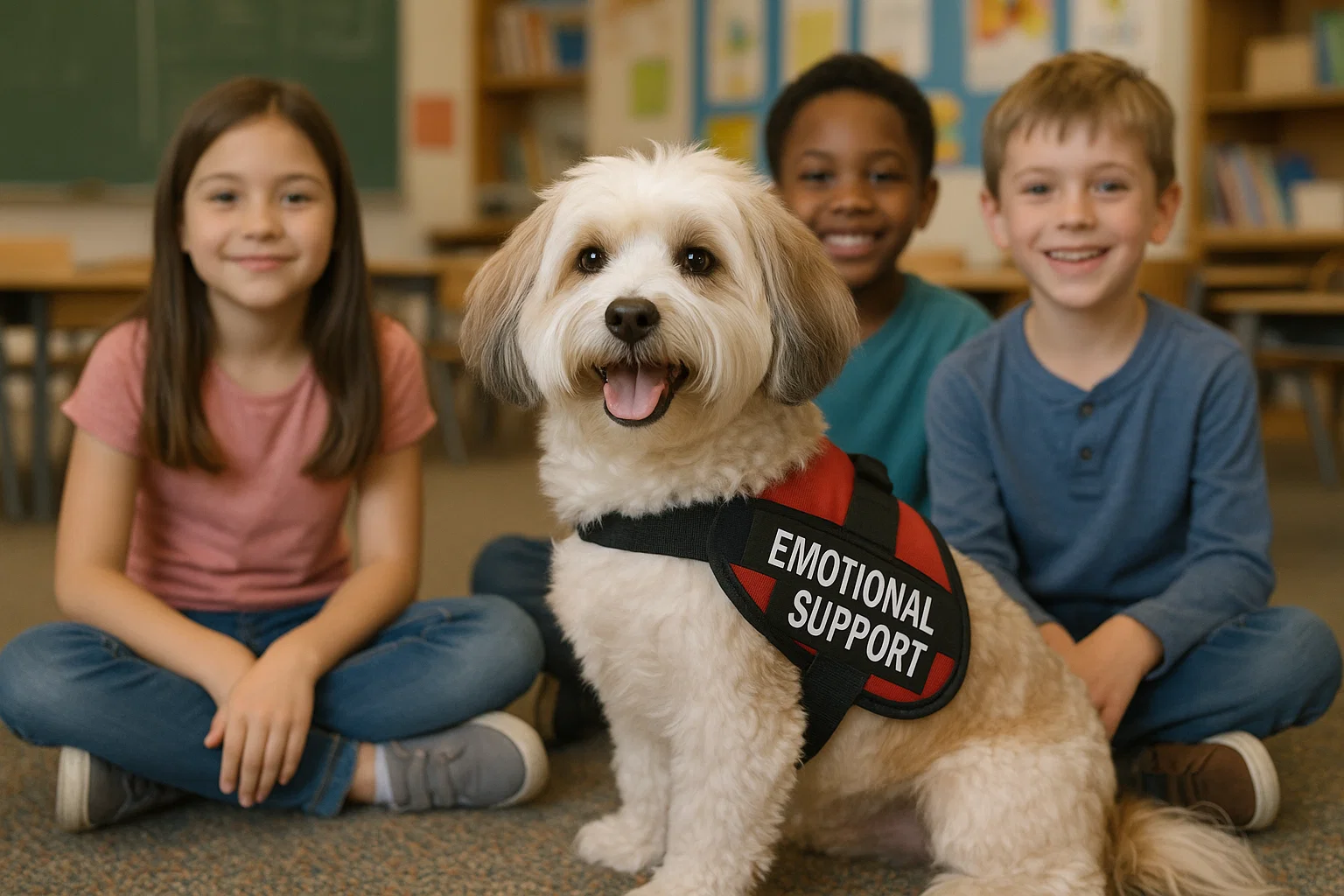
Emotional support animals (ESAs) play a crucial role in providing comfort and companionship to individuals with emotional or psychological conditions. Among the myriad of breeds known for their empathetic nature, the Havanese stands out as an exceptional choice for those in need of emotional support. This article delves into the characteristics and suitability of the Havanese breed as an emotional support dog, highlighting their temperament, adaptability, and care requirements.
Understanding the Emotional Support Role
Emotional support animals differ from service dogs in that they primarily offer companionship and comfort, rather than performing specific tasks. Their presence provides therapeutic benefits, helping to alleviate symptoms of mental health issues such as anxiety, depression, and PTSD.
Havanese Overview
Originating from Cuba, the Havanese is a small, sturdy dog known for its friendly and affectionate nature. Part of the Bichon family, it is revered for its cheerful disposition and sociable tendencies. This breed’s compact size and striking, silky coat enhance its appeal as a family companion and emotional support animal.
Temperament and Emotional Connection
The Havanese is celebrated for its joyful disposition and playful nature. Their natural empathy makes them particularly adept at sensing human emotions and responding with affection and companionship.
- Empathy and Sensitivity: This breed is known for its keen intuition, often able to detect changes in their owner’s moods. Their sensitivity to emotional states allows them to offer unwavering support and comfort.
- Energy and Playfulness: With a playful and energetic nature, the Havanese can lift the spirits of those around them, providing a perfect balance of affection and activity.
Adaptability and Daily Behavior
Adaptability is a key trait of the Havanese, making them suitable for various living situations and owner lifestyles.
- Flexible Living Requirements: Whether in apartments or larger homes, the Havanese can thrive as long as they receive adequate attention and interaction.
- Daily Interactions: Their moderate energy levels mean they enjoy regular playtime and walks, beneficial for both the dog and the owner’s daily routine and mental health.
Situations Where Havanese Provides Strong Support
The Havanese excels in settings where their affectionate nature can shine. They are particularly effective in:
- Apartment Living: Their small size and minimal need for expansive outdoor space make them ideal for city living.
- Family Homes: The Havanese bonds well with children and other pets, offering comfort in dynamic household environments.
- Assisted Living: Their gentle nature makes them perfect companions for elderly individuals or those in assisted living situations.
Ideal Living Environments
For the Havanese, the ideal living environment is one rich in interaction and companionship. They flourish in homes where they are considered part of the family unit.
Register Any Breed
- Companionship-Driven: A household that can provide ample social interaction and engagement is optimal.
- Calm Settings: While adaptable, the Havanese appreciate environments that are calm and free from excessive stress or chaos.
Bonds with Different Types of People
The Havanese is exceptionally versatile, forming deep bonds with various people, thanks to their gentle and sociable essence.
- Children: Their vibrant yet gentle nature makes them excellent companions for children, offering a calming presence while being playful.
- Elderly: Their size and affectionate demeanor are perfect for seniors seeking companionship without the rigors of high-maintenance pet care.
- Individuals with Anxiety or Depression: The breed’s calming presence and ability to gauge emotional cues provide significant support.
Health, Care, and Wellbeing
Caring for a Havanese involves attention to both physical wellbeing and emotional engagement, critical for their role as ESAs.
Common Health Considerations
Havanese dogs are generally healthy, but like all breeds, they are prone to specific health issues.
- Common Conditions: Patellar luxation, hip dysplasia, and certain eye disorders are health concerns to monitor.
- Regular Vet Visits: Routine check-ups are essential to maintain their health and ensure they can provide support effectively.
Grooming, Comfort, and Maintenance Needs
The Havanese’s beautiful coat requires regular grooming, but their overall maintenance is manageable.
- Grooming Requirements: Regular brushing prevents matting, and occasional professional grooming maintains their coat’s natural luster.
- Diet and Exercise: A balanced diet and consistent exercise routine keep the Havanese healthy and energetic.
Preparing a Havanese for Emotional Support Work
To become an effective emotional support animal, a Havanese should be well-trained and socialized.
Socialization and Responsiveness
Early socialization is vital to ensure a Havanese is adaptable and responsive in various settings.
- Social Engagement: Exposure to different environments, people, and situations enriches their supportive role.
- Positive Reinforcement Training: Using love and treats as rewards fosters a trusting and responsive relationship.
Managing Stress and Emotional Cues
Havanese dogs are naturally attuned to their owner’s needs, making them excellent at offering comfort during stressful times.
- Reading Emotional Cues: Their responsiveness to emotional states is innate, allowing them to provide comfort precisely when needed.
- Stress Management: Light exercise and play can help manage the Havanese’s energy and ease their owner’s tension.
Strengths, Challenges, and Ideal Homes for Havanese
The Havanese is full of strengths as an emotional support dog but also presents challenges that potential owners should consider.
- Strengths: Empathy, adaptability, and a playful, affectionate nature make them outstanding companions.
- Challenges: Regular grooming and potential health issues require committed upkeep.
- Ideal Homes: Best suited for attentive, loving environments where they can be an integral part of the family dynamic.
Final Thoughts
Selecting a Havanese as an emotional support animal can be a rewarding decision for those seeking a loyal companion to provide comfort and joy. Their friendly nature and ability to deeply connect with humans make them uniquely capable of offering consistent emotional support.
Key Takeaways for the Havanese as an Emotional Support Dog
- Best suited for: Families, individuals with emotional needs, seniors, city-dwellers.
- Not ideal for: Those unwilling to commit to regular grooming and health care.
- Emotional traits: Empathetic, affectionate, sensitive, and adaptive to emotional cues.
- Care and health notes: Regular grooming, balanced diet, monitored for common breed health issues.
- Environments where they provide the most comfort: Apartments, family homes, assisted living settings, and places needing lively, compassionate interaction.
By understanding these elements, individuals can ensure the Havanese becomes an invaluable part of their support system, fostering emotional wellness through unwavering companionship.


-
Public Access Kits
$149.00 Learn more This product has multiple variants. The options may be chosen on the product page -
Quick Ship Premium Vests
$48.00 – $82.00 Learn more This product has multiple variants. The options may be chosen on the product page -
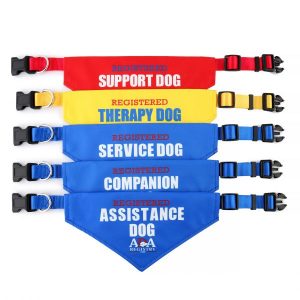
Service Dog Bandana
$39.95 Learn more This product has multiple variants. The options may be chosen on the product page
Custom ID Cards

Custom ID Cards
Custom Service Dog Tags
Official Dog Vests

Smart Vests
Official Public Access Kits
Complete Kits
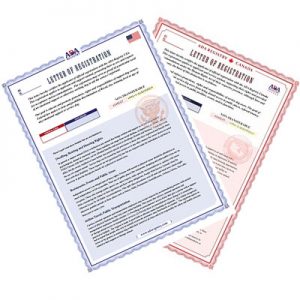
USA & CANADA Letters
High Quality Bandanas
Service Dog Tags
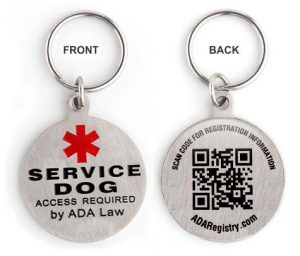
Smart Tags

ESA TAGS