Icelandic Sheepdog as an Emotional Support Dog
Register Any Breed
Understanding the Emotional Support Role
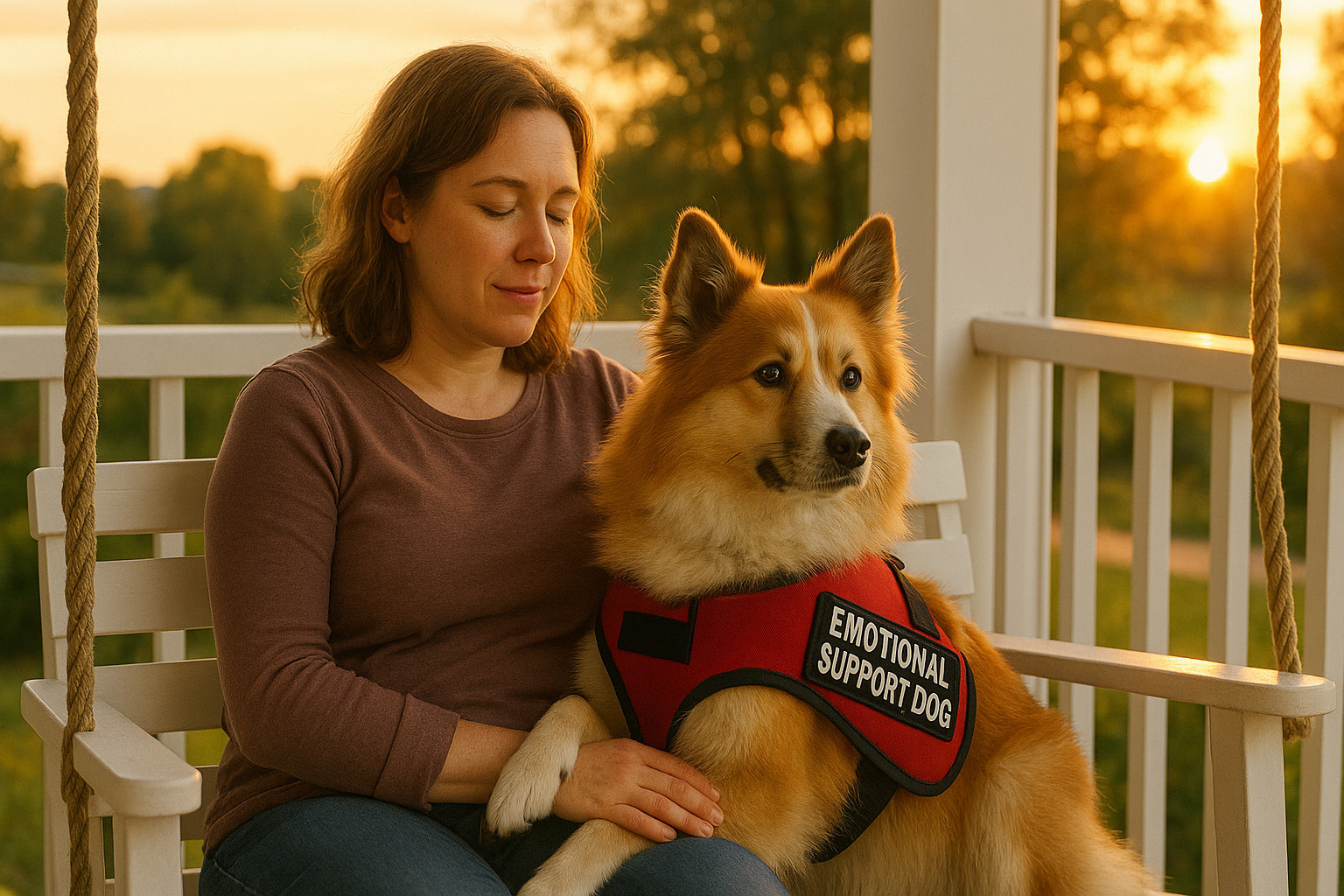
Emotional support animals (ESAs) provide comfort and companionship to individuals experiencing emotional and psychological challenges. Unlike service dogs, ESAs are not trained to perform specific tasks but rather offer support through their presence and bond with their owner. The Icelandic Sheepdog, with its inherent friendliness, loyalty, and empathetic connection, stands out as an excellent candidate for this role. This article explores how the breed's traits align with the needs of those seeking emotional support.
Icelandic Sheepdog Overview
The Icelandic Sheepdog, Iceland's only native breed, is a medium-sized, spitz-type dog known for its intelligence and affectionate nature. Historically used as herding dogs, their skills in navigating varied terrain and attending to flocks translate well into their role as companions. They are adept at forming strong emotional bonds, an essential quality for ESAs. Their friendly disposition and eagerness to please make them naturally attuned to human emotions.
Temperament and Emotional Connection
The temperament of the Icelandic Sheepdog is one of its most significant assets as an emotional support dog. Their friendly and cheerful nature makes them approachable and less intimidating for individuals seeking comfort. These dogs are known for:
- Empathy and Sensitivity: Icelandic Sheepdogs have a remarkable ability to sense changes in human emotions, adapting their behavior to provide comfort and calm.
- Loyalty and Bonding: They form deep bonds with their owners, which is crucial for providing continuous emotional support.
- Playful yet Calm Demeanor: While they enjoy playtime, they also possess a calm nature that helps reduce anxiety in stressful situations.
Adaptability and Daily Behavior
Adaptability is key for any emotional support animal, and the Icelandic Sheepdog excels in this regard. They are versatile and can thrive in various living environments. Daily behavior traits include:
- Energy Levels: While energetic and ready for adventure, they can also relax and provide a soothing presence when needed.
- Routine and Structure: They benefit from a regular schedule, helping instill routine and stability in their owner's life.
- Independence and Interaction: They balance independence with a need for social interaction, making them less demanding but always ready to engage.
Situations Where Icelandic Sheepdog Provides Strong Support
Icelandic Sheepdogs are particularly effective in settings where emotional steadiness and companionship are crucial:
- Social Anxiety: Their presence can alleviate feelings of anxiety in social settings, offering gentle encouragement.
- Home Comfort: Their constant companionship can ease feelings of loneliness or stress in home environments.
- Therapeutic Presence: Known to have a calming influence, they can provide therapeutic benefits simply by being present during times of distress.
Ideal Living Environments
Icelandic Sheepdogs adapt well to various living environments, making them versatile as emotional support animals:
- Apartments: Though they need regular exercise, their moderate size and adaptable nature make them suitable for apartment living.
- Family Homes: Their friendly and social nature helps them integrate into family settings, offering support to multiple members.
- Assisted Living: For individuals residing in assisted living facilities, these dogs provide non-intrusive support and companionship.
Bonds with Different Types of People
Their ability to bond with diverse personalities makes Icelandic Sheepdogs suitable for various individuals:
Register Any Breed
- Single Adults and Couples: They provide necessary companionship for individuals or couples, catering to distinct emotional needs.
- Families with Children: Their playful and gentle disposition allows them to connect well with children, offering both comfort and fun.
- Elderly Companionship: Their patience and gentle nature make them excellent companions for elderly individuals, providing stability and care.
Health, Care, and Wellbeing
Maintaining the health and wellbeing of an Icelandic Sheepdog is crucial to their effectiveness as an emotional support animal. This includes:
Common Health Considerations
- Genetic Predispositions: Regular health check-ups can help manage conditions such as hip dysplasia.
- Diet and Exercise: A balanced diet and regular exercise are crucial to maintaining their physical health.
Grooming, Comfort, and Maintenance Needs
Proper grooming is essential for comfort and hygiene:
- Coat Care: Regular brushing minimizes shedding and keeps their double coat healthy.
- Hygiene Practices: Routine dental care and grooming contribute to overall health and wellbeing.
Preparing an Icelandic Sheepdog for Emotional Support Work
Proper preparation enhances the dog's ability to offer emotional support effectively:
Socialization and Responsiveness
- Early Socialization: Introducing them to various environments and people during puppyhood increases their adaptability.
- Training: Basic obedience training enhances communication and understanding, fostering a stronger bond.
Managing Stress and Emotional Cues
- Reading Human Emotions: Training to recognize and respond to cues like stress or anxiety is vital for their role.
- Stress Management: Teaching stress-reducing behaviors benefits both the dog and its owner.
Strengths, Challenges, and Ideal Homes for Icelandic Sheepdog
Understanding the strengths and challenges of the breed helps in creating ideal living situations:
- Strengths: Empathetic, adaptable, loyal, and gentle.
- Challenges: Requires regular grooming and exercise; may develop separation anxiety if not properly trained.
- Ideal Homes: Adapt well to both urban and rural settings, families, or individuals seeking active companionship.
Final Thoughts
The Icelandic Sheepdog, with its rich history and affable nature, proves to be a remarkable emotional support animal. Their intrinsic traits foster connections that enhance emotional wellbeing, making them a cherished companion for individuals in need of consistent support. However, like any companion animal, they thrive best when their specific needs for care and companionship are met.
Key Takeaways for the Icelandic Sheepdog as an Emotional Support Dog
- Best suited for: Individuals seeking consistent companionship and emotional support; families; elderly individuals.
- Not ideal for: Individuals unable to commit to regular grooming or exercise needs.
- Emotional traits: Empathetic, loyal, gentle, and adaptable.
- Care and health notes: Requires regular grooming and exercise; benefits from early socialization and training.
- Environments where they provide the most comfort: Apartments, family homes, and assisted living environments.
The Icelandic Sheepdog presents a warm and supportive presence, essential for those navigating emotional challenges, and is a shining example of the power of canine companionship.


-
Public Access Kits
$149.00 Learn more This product has multiple variants. The options may be chosen on the product page -
Quick Ship Premium Vests
$48.00 – $82.00 Learn more This product has multiple variants. The options may be chosen on the product page -
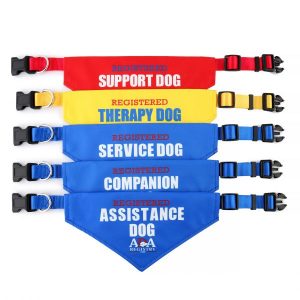
Service Dog Bandana
$39.95 Learn more This product has multiple variants. The options may be chosen on the product page
Custom ID Cards

Custom ID Cards
Custom Service Dog Tags
Official Dog Vests

Smart Vests
Official Public Access Kits
Complete Kits
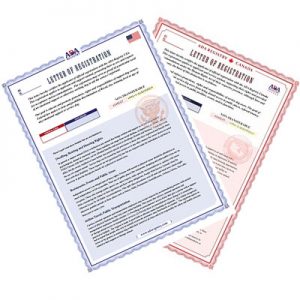
USA & CANADA Letters
High Quality Bandanas
Service Dog Tags
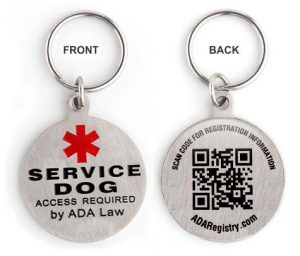
Smart Tags

ESA TAGS