Lancashire Heeler as an Emotional Support Dog
Register Any Breed
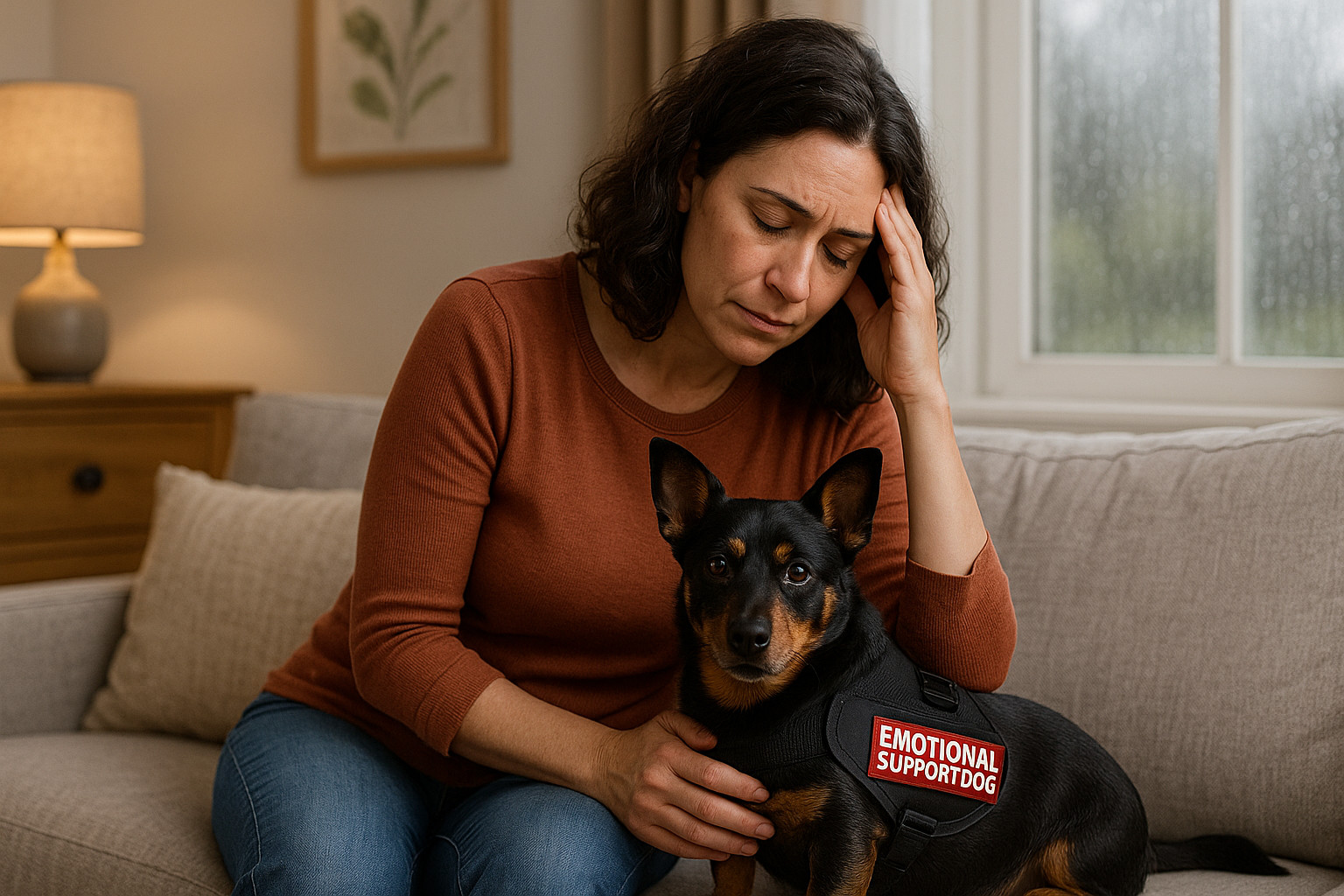
Emotional Support Animals (ESAs) play a crucial role in providing companionship and emotional stability for individuals experiencing emotional or psychological challenges. The Lancashire Heeler, a small, affectionate breed, is increasingly gaining recognition for its potential as an emotional support dog. This comprehensive guide will explore the suitability of the Lancashire Heeler in this role, focusing on its demeanor, living needs, and the benefits it offers to its owners.
Understanding the Emotional Support Role
Lancashire Heeler Overview
The Lancashire Heeler is a small, energetic breed known for its herding capabilities and lively spirit. Originating from England, these dogs were initially bred for cattle herding but have quickly adapted to domestic life as devoted companions. Their small size and manageable grooming needs make them appealing for those seeking an Emotional Support Animal, especially in urban environments or small homes.
Temperament and Emotional Connection
Lancashire Heelers are known for their intuitive and empathetic nature. They exhibit a strong ability to understand and mirror their owner's emotions, making them exceptional companions for individuals facing emotional difficulties. Their natural curiosity and warmth help them form deep emotional bonds, fostering a sense of security and comfort.
- Empathy: Lancashire Heelers are highly attuned to human emotions, instinctively responding to changes in mood with reassuring presence and interactions.
- Sensitivity: Their perceptiveness allows them to offer comfort during stressful moments, often through gentle nudges or attentive gazes, providing a calming influence.
Adaptability and Daily Behavior
These dogs are versatile and adapt well to various living situations, whether in bustling urban settings or tranquil rural environments. Their moderate energy levels ensure they are active enough to engage with owners yet capable of settling into a calming presence when needed.
- Adaptation: Lancashire Heelers thrive on routine and predictability, making them ideal for individuals who appreciate a structured lifestyle.
- Energy: Their playful nature encourages healthy activities, which can be a therapeutic avenue for owners experiencing depression or anxiety.
Situations Where Lancashire Heeler Provides Strong Support
Lancashire Heelers excel in environments where their companionship and attentive nature are valued. They offer steadfast support in several scenarios:
- Crisis Comfort: They provide emotional grounding during panic attacks or emotional crises.
- Loneliness Mitigation: They're excellent companions for individuals experiencing loneliness, offering routine interactions and affection.
- Anxiety Reduction: Their playful yet calm demeanor helps alleviate anxiety, making them ideal for stress-prone individuals.
Ideal Living Environments
These dogs are quite adaptable, which allows them to thrive in various settings:
- Apartment Living: Their small size and moderate exercise needs make them suitable for apartment dwellers.
- Family Homes: They bond well with family members, providing support across age groups.
- Assisted Living Facilities: Their calm and affectionate demeanor is perfect for older adults needing consistent companionship.
Bonds with Different Types of People
Lancashire Heelers form strong, meaningful bonds with people of all ages and backgrounds, making them inclusive companions:
Register Any Breed
- Children: Their gentle tolerance and playful interactions make them suitable for homes with children.
- Singles and Couples: They provide unwavering companionship, helping reduce feelings of isolation.
- Elderly: Their small size and manageable energy levels are ideal for older adults seeking companionship without the physical demands of a larger breed.
Health, Care, and Wellbeing
Common Health Considerations
To ensure the Lancashire Heeler remains a reliable emotional support companion, awareness of their health needs is crucial:
- Regular Vet Checks: Routine veterinary care is essential for maintaining their overall health.
- Genetic Conditions: Be aware of conditions such as primary lens luxation (PLL) and Collie Eye Anomaly (CEA), which require regular monitoring.
Grooming, Comfort, and Maintenance Needs
Managing a Lancashire Heeler's grooming and maintenance needs is straightforward, contributing to their availability as stress-free companions:
- Grooming: Regular brushing to reduce shedding and maintain coat health.
- Comfort: Ensure they have comfortable resting spaces to relax and recharge.
Preparing a Lancashire Heeler for Emotional Support Work
Proper preparation ensures that a Lancashire Heeler thrives in their emotional support role:
Socialization and Responsiveness
Socializing a Lancashire Heeler from an early age promotes their adaptability and responsiveness:
- Exposure: Introduce them to diverse environments and people to build resilience and calmness.
- Training: Basic obedience training enhances their ability to react appropriately in different situations.
Managing Stress and Emotional Cues
Understanding and managing a Lancashire Heeler’s responses to human emotions is essential:
- Stress Recognition: Recognize signs of stress and provide reassurance to maintain their emotional balance.
- Emotional Cues: Train them to appropriately respond to specific emotional cues from their owners.
Strengths, Challenges, and Ideal Homes for Lancashire Heeler
Lancashire Heelers bring unique strengths to their role as emotional support dogs, though challenges exist:
- Strengths: Their empathy, adaptability, and manageable grooming make them well-suited for emotional support work.
- Challenges: They require consistent, loving interaction and firm boundaries to prevent behavioral issues.
Final Thoughts
The Lancashire Heeler is a distinctive choice for those seeking a devoted and empathetic Emotional Support Animal. Their ability to form deep emotional connections, coupled with their adaptability to various living situations, makes them ideal companions for individuals in need of emotional support.
Key Takeaways for the Lancashire Heeler as an Emotional Support Dog
- Best suited for: Individuals in apartments, families, and seniors in assisted living
- Not ideal for: Owners unable to provide routine companionship and activities
- Emotional traits: Empathetic, sensitive, and highly bonded to their owners
- Care and health notes: Routine grooming and awareness of common health conditions like PLL and CEA
- Environments where they provide the most comfort: Small homes, family environments, and care facilities focused on routine support and interaction
This guide provides valuable insights into the benefits and practicalities of considering a Lancashire Heeler as a comforting and supportive emotional companion. As a potential ESA, their contribution to emotional stability and well-being is extensive and genuinely enriching.


-
Public Access Kits
$149.00 Learn more This product has multiple variants. The options may be chosen on the product page -
Quick Ship Premium Vests
$48.00 – $82.00 Learn more This product has multiple variants. The options may be chosen on the product page -
Service Dog Bandana
$39.95 Learn more This product has multiple variants. The options may be chosen on the product page
Custom ID Cards

Custom ID Cards
Custom Service Dog Tags
Official Dog Vests

Smart Vests
Official Public Access Kits
Complete Kits
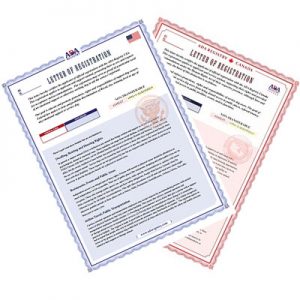
USA & CANADA Letters
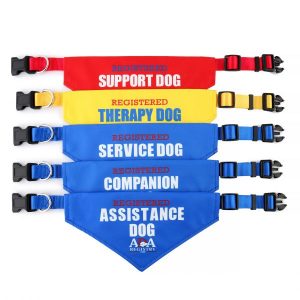
High Quality Bandanas
Service Dog Tags
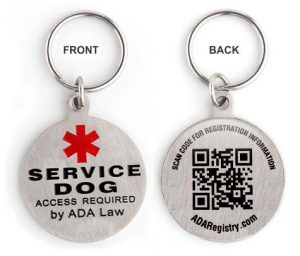
Smart Tags

ESA TAGS