Lhasa Apso as an Emotional Support Dog
Register Any Breed
Understanding the Emotional Support Role
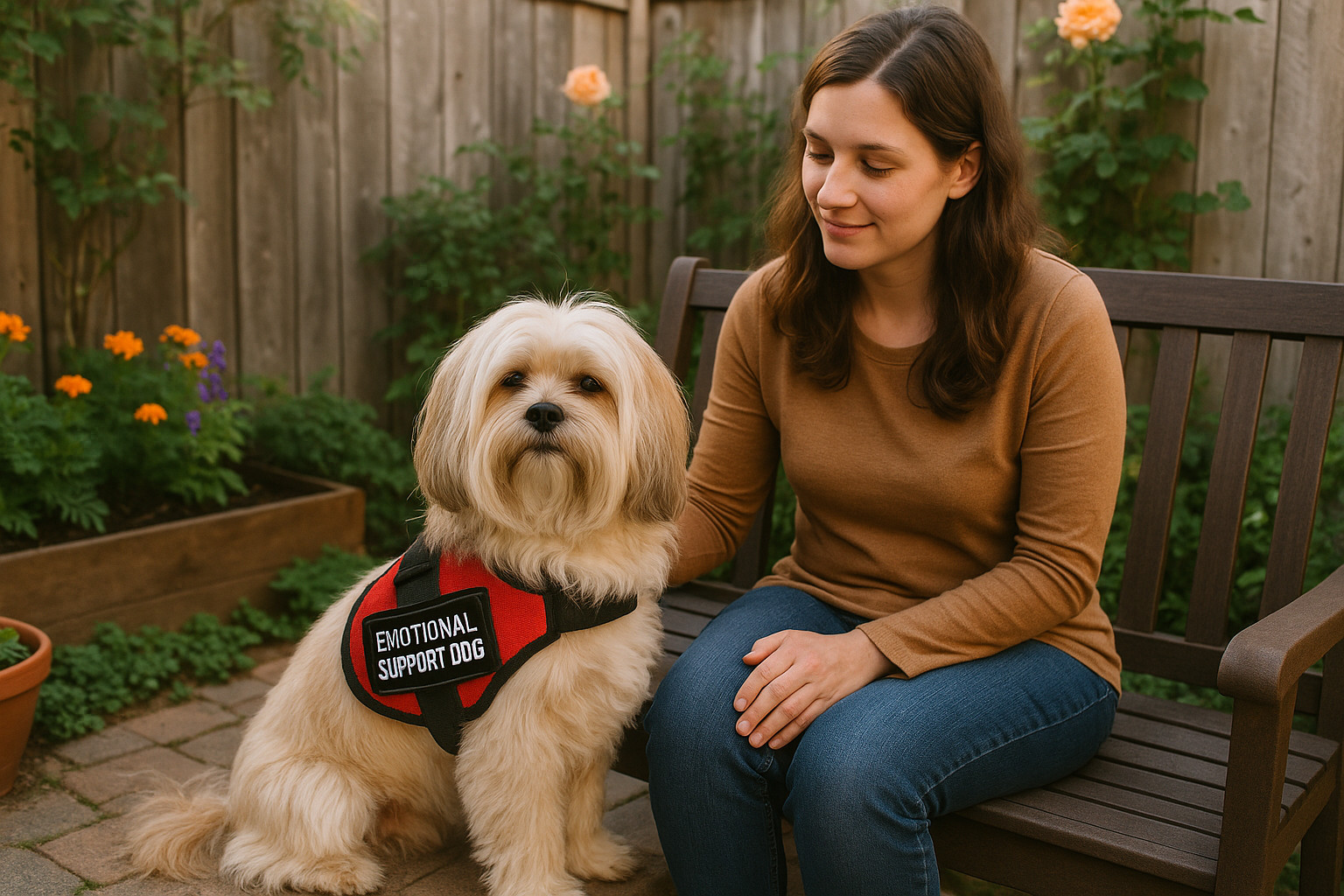
Emotional support animals (ESAs) provide comfort and companionship to individuals dealing with emotional or psychological challenges. Unlike service animals, they are not trained to perform specific tasks but are valued for their innate ability to offer support and stability. The Lhasa Apso, with its charming demeanor and comforting presence, can be an ideal candidate for this role.
Lhasa Apso Overview
Originally hailing from Tibet, the Lhasa Apso was bred to serve as a sentinel in Buddhist monasteries, alerting monks to potential intruders. This rich history of guardianship underlies much of its personality traits. Small yet robust, the Lhasa Apso embodies a unique blend of independence and attentiveness, making it an excellent emotional support companion. These dogs have a life expectancy of 12 to 15 years, ensuring long-term companionship.
Temperament and Emotional Connection
The Lhasa Apso is known for its somewhat independent nature, but this doesn't detract from the deep bonds it forms with its owner. These dogs are:
- Empathetic: They have the ability to sense their owner's mood and respond with comforting presence.
- Loyal: Once a bond is established, a Lhasa Apso offers steadfast loyalty.
- Protective: Their history as little guardians means they have an inherent need to watch over their loved ones.
Their sensitivity to human emotions translates into a strong emotional connection, providing consistent support and alleviating feelings of anxiety or loneliness.
Adaptability and Daily Behavior
Adaptability is a hallmark trait of the Lhasa Apso. These dogs are content in various living situations, from bustling city apartments to serene rural homes. Key aspects of their daily behavior include:
- Low to Moderate Energy Levels: They enjoy short walks but are equally satisfied with indoor play, making them well-suited for individuals with varying mobility.
- Routine-Oriented: They thrive on a consistent schedule, which can be comforting for those who benefit from structured routines.
- Playful Yet Calm: This balance ensures they aren't overly demanding yet are available for interactive bonding.
Situations Where Lhasa Apso Provides Strong Support
Certain scenarios highlight the Lhasa Apso's suitability as an emotional support dog:
- Individuals with Anxiety: Their calming presence can help reduce stress and panic attacks.
- Loneliness: Their affectionate nature offers companionship without overwhelming dependency.
- Senior Citizens: Their smaller size and moderate activity needs align well with more sedentary lifestyles.
These dogs excel in environments where they can form strong, individualized connections with one or two people.
Register Any Breed
Ideal Living Environments
The Lhasa Apso is versatile regarding living environments. Ideal settings include:
- Apartments: Their compact size and adaptability make them perfect for urban living.
- Family Homes: While they form deep bonds with one person, they can integrate into family life.
- Assisted Living Facilities: They provide excellent companionship without the need for extensive exercise.
Their ability to adapt to various homes enhances their capability to provide consistent emotional support.
Bonds with Different Types of People
Lhasa Apsos form unique bonds depending on the person's lifestyle and needs:
- Adults: They provide stability and emotional grounding.
- Single Individuals: Perfect for those seeking companionship and routine.
- Elderly People: Offer a sense of purpose and daily interaction without being demanding.
Their ability to read emotional cues allows them to cater their support effectively, providing comfort in diverse situations.
Health, Care, and Wellbeing
A healthy, well-cared-for Lhasa Apso is crucial for achieving its full potential as an emotional support animal. Their wellbeing is as vital to their owner as it is to themselves.
Common Health Considerations
The breed is predominantly healthy but prone to certain conditions:
- Eye Disorders: Regular veterinary check-ups are essential to detect issues early.
- Hip Dysplasia: Maintaining a healthy weight through diet and moderate exercise can prevent this condition.
- Skin Conditions: Regular grooming can prevent skin irritations or infections.
Awareness of these potential health considerations ensures they remain fit for their emotional support role.
Grooming, Comfort, and Maintenance Needs
Grooming plays a significant role in their comfort and your bond:
- Frequent Brushing: Prevents matting and keeps their coat healthy.
- Regular Baths: Maintains cleanliness and reduces skin issues.
- Dental Care: Essential for overall health and longevity.
These requirements are crucial for preventing discomfort, allowing the Lhasa Apso to provide uninterrupted emotional support.
Preparing a Lhasa Apso for Emotional Support Work
Proper preparation ensures the Lhasa Apso is ready for its role as an emotional companion.
Socialization and Responsiveness
Early socialization enhances the Lhasa Apso’s ability to interact positively with its owner:
- Exposure: Introduce them to various environments and situations early on.
- Basic Training: Commands like "sit" and "stay" enhance their responsiveness and reliability.
These foundational aspects contribute to their effectiveness and reliability in providing emotional support.
Managing Stress and Emotional Cues
Understanding and managing stress in Lhasa Apsos ensures they remain calm and supportive:
- Recognizing Stressors: Learn to identify situations that may cause them anxiety.
- Calming Techniques: Use of soothing tones and gentle physical contact can be effective.
A calm Lhasa Apso is more capable of offering emotional stability and reassurance to its owner.
Strengths, Challenges, and Ideal Homes for Lhasa Apso
As with any breed, there are strengths and challenges associated with the Lhasa Apso's role as an emotional support dog.
- Strengths:
- Strong emotional connection.
- Excellent at sensing and responding to human emotions.
- Adaptable to various living situations.
- Challenges:
- Grooming needs can be intensive.
- May be aloof or reserved with strangers.
Understanding these strengths and challenges will help potential owners determine if a Lhasa Apso is the right fit for their lifestyle.
Final Thoughts
Selecting a Lhasa Apso as an emotional support dog can be a fulfilling decision for those seeking a loyal, empathetic companion capable of providing significant comfort and stability. Their adaptability and sensitivity make them ideal for individuals across various living situations and emotional needs.
Key Takeaways for the Lhasa Apso as an Emotional Support Dog
- Best suited for: Adults, elderly individuals, those in apartments or assisted living.
- Not ideal for: Those unable to commit to regular grooming or individuals needing a highly social breed.
- Emotional traits: Empathetic, loyal, protective, sensitive to emotional cues.
- Care and health notes: Regular grooming and health check-ups are crucial.
- Environments where they provide the most comfort: Urban apartments, family homes, assisted living facilities.
By understanding the innate qualities and care needs of the Lhasa Apso, individuals seeking an emotional support dog can find a devoted companion in this delightful breed.


-
Public Access Kits
$149.00 Learn more This product has multiple variants. The options may be chosen on the product page -
Quick Ship Premium Vests
$48.00 – $82.00 Learn more This product has multiple variants. The options may be chosen on the product page -
Service Dog Bandana
$39.95 Learn more This product has multiple variants. The options may be chosen on the product page
Custom ID Cards

Custom ID Cards
Custom Service Dog Tags

Official Dog Vests

Smart Vests
Official Public Access Kits
Complete Kits
USA & CANADA Letters

High Quality Bandanas
Service Dog Tags
Smart Tags

ESA TAGS