Mudi as an Emotional Support Dog
Register Any Breed
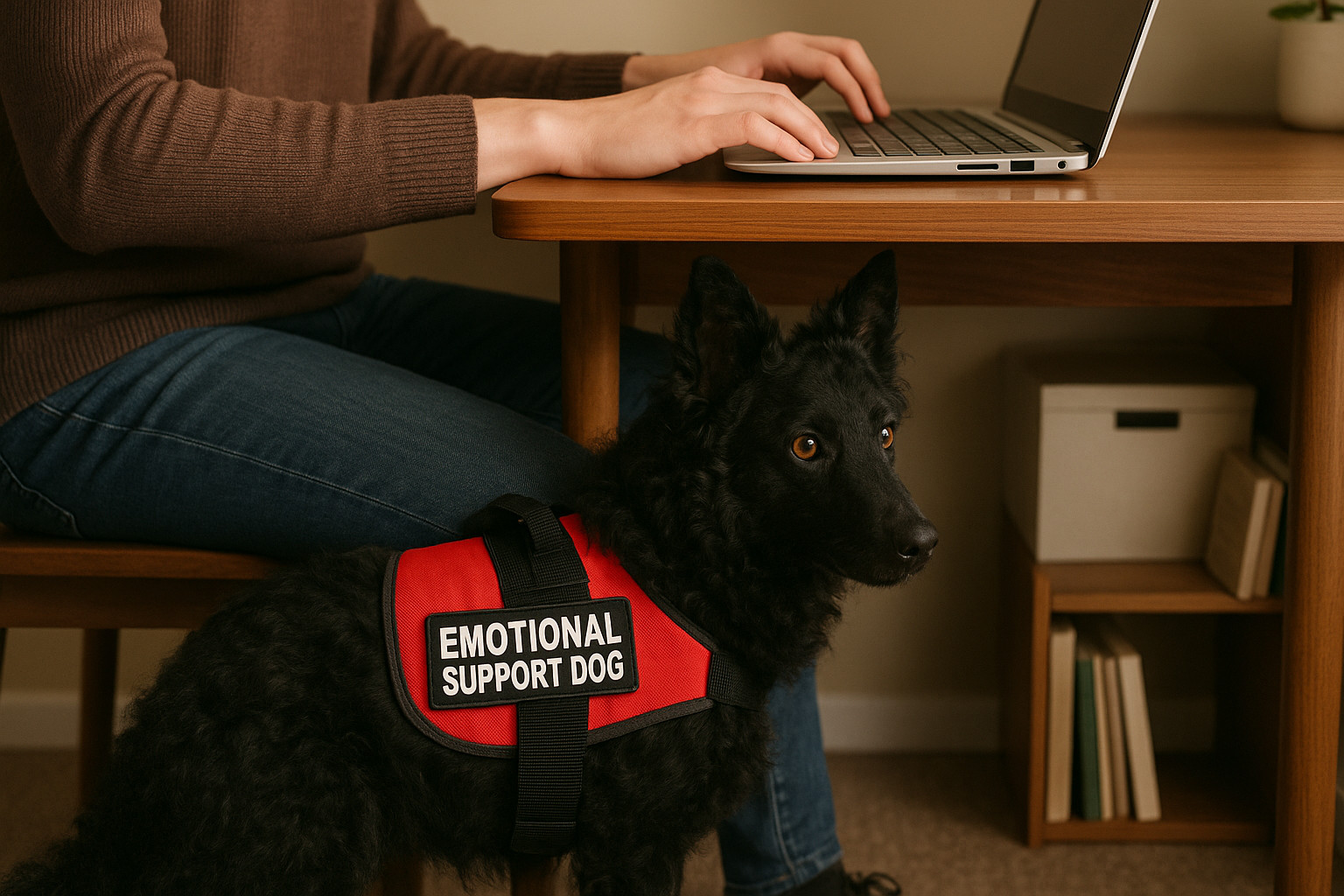
Emotional support animals (ESAs) provide invaluable comfort and companionship to individuals coping with emotional or psychological challenges. Among the various breeds suitable for this role, the Mudi, a lesser-known Hungarian herding dog, stands out due to its remarkable empathy, intelligence, and adaptability. In this article, we'll explore the suitability of the Mudi as an emotional support dog, delving into its temperament, daily behavior, bonding capabilities, and care needs.
Understanding the Emotional Support Role
Emotional support animals offer companionship and emotional stability, mitigating feelings of anxiety, depression, or loneliness. Unlike service dogs trained for specific tasks, ESAs provide comfort through their mere presence and intuitive understanding of human emotions. The Mudi, with its unique disposition and affectionate nature, can excel in this role, bringing comfort to individuals who need emotional support.
Mudi Overview
The Mudi is a medium-sized herding dog known for its keen intelligence and strong work ethic. Originating in Hungary, Mudis possess an athletic build, wedge-shaped head, and distinctive curly coat. While they were originally bred for herding, their versatility makes them suitable for various roles, including being an emotional support animal. Their intuitive nature and eagerness to please make them quick learners, allowing them to adapt seamlessly to the lifestyle of an ESA.
Temperament and Emotional Connection
One of the Mudi's greatest strengths in the emotional support role is its temperament. Mudis are known for:
- Empathy and Sensitivity: Mudis can keenly sense human emotions, providing comforting companionship during times of distress.
- Loyalty and Attachment: They form strong bonds with their handlers, offering unwavering support and affection.
- Intelligence and Responsiveness: With exceptional learning abilities, Mudis quickly recognize cues and adapt their behavior to meet their handler's emotional needs.
These attributes help Mudis provide emotional stability, grounding their handlers during emotional upheavals.
Adaptability and Daily Behavior
Mudis are remarkably adaptable, thriving in various environments and situations, which is beneficial for their role as ESAs. Their daily behavior reflects:
- High Energy Levels: While energetic, Mudis can adjust their activity to suit their handler's needs, whether it's a leisurely walk or a more active lifestyle.
- Calm Disposition: Despite their energy, Mudis can exhibit calmness, providing a soothing presence for their handlers.
- Quick Learning and Adaptation: Their intelligence aids in understanding and adjusting to daily routines, ensuring they remain consistent in providing emotional support.
These traits make Mudis suitable companions for diverse handlers, from those living in bustling urban areas to quieter, rural settings.
Register Any Breed
Situations Where Mudi Provides Strong Support
Mudis shine in providing emotional support in various scenarios, including:
- Managing Anxiety: Their calming presence can lower anxiety levels, offering peace to individuals in stressful situations.
- Easing Loneliness: For individuals living alone, a Mudi's companionship can alleviate feelings of isolation and solitude.
- Coping with Stress: Mudis can detect stress and provide reassurance and calm through physical presence and affectionate behaviors.
Their ability to intuitively respond to emotional cues makes them invaluable companions in emotionally taxing situations.
Ideal Living Environments
Mudis can adapt to:
- Apartments and Smaller Living Spaces: Their moderate size and trainability make them suitable for apartment living, provided they receive adequate exercise.
- Family Homes: They thrive in active households where they can participate in family activities.
- Rural Settings: With ample space, Mudis can express their natural energy and instincts, offering comfort to handlers residing in countryside homes.
Their adaptability ensures they remain effective emotional support animals in a range of living environments.
Bonds with Different Types of People
Mudis are versatile in forming bonds with various individuals, such as:
- Individuals with Anxiety or Depression: Their empathic nature is particularly beneficial for those dealing with anxiety or depressive disorders.
- Families: Mudis can effortlessly integrate into family dynamics, offering emotional support to multiple family members.
- Elderly Individuals: Their calm demeanor and ease of training make them excellent companions for older adults seeking companionship and comfort.
Their ability to bond deeply with different people ensures they provide effective emotional support across different demographics.
Health, Care, and Wellbeing
To maintain their role as effective emotional support animals, Mudis require specific health and care considerations.
Common Health Considerations
While generally healthy, Mudis can be prone to:
- Hip Dysplasia: Regular vet check-ups and a balanced diet can help mitigate these issues.
- Ear Infections: Routine cleaning and monitoring are necessary to prevent infections.
Maintaining their health ensures they remain capable and comfortable in their supporting role.
Grooming, Comfort, and Maintenance Needs
Mudis require moderate grooming to maintain their comfort:
- Coat Care: Regular brushing helps manage their curly coat, preventing matting and discomfort.
- Exercise Needs: Adequate exercise is crucial to keep them physically and mentally healthy, enhancing their ability to provide effective emotional support.
Meeting these needs helps ensure their continued wellbeing and capacity to fulfill their role as ESAs.
Preparing a Mudi for Emotional Support Work
Proper preparation involves:
- Socialization and Training: Early socialization and training ensure Mudis remain well-adjusted and responsive in various situations.
- Understanding Emotional Cues: Training them to recognize and respond to specific cues improves their effectiveness in supporting handlers.
Investing in these areas enhances their readiness for emotional support responsibilities.
Socialization and Responsiveness
Mudis must be:
- Social: Ensuring they are comfortable with various settings and people improves their adaptability.
- Responsive: Training to follow commands and cues enhances their ability to respond appropriately to handlers’ emotional states.
These aspects are crucial for their role as effective emotional support animals.
Managing Stress and Emotional Cues
To support their handler effectively, Mudis need to manage:
- Stress: Training them to remain calm in stressful situations helps their handlers regulate their own stress levels.
- Emotional Cues: Recognizing and responding to emotional cues ensures they provide timely comfort and reassurance.
Their proficiency in these areas strengthens their role as emotional support animals.
Strengths, Challenges, and Ideal Homes for Mudi
While Mudis offer numerous strengths, potential challenges include:
- High Energy Needs: They require regular physical activity, which may not suit all lifestyles.
- Socialization Requirements: Without proper socialization, they may become anxious or reactive.
Ideal homes include those with an active lifestyle and commitment to training and socialization.
Final Thoughts
The Mudi is a versatile and intelligent breed, well-suited to being an emotional support dog. With their empathetic nature, adaptability, and eagerness to bond, they provide consistent emotional support across a range of environments and situations.
Key Takeaways for the Mudi as an Emotional Support Dog
- Best suited for: Active individuals, families, and those in various living conditions
- Not ideal for: Sedentary individuals unable to meet exercise needs
- Emotional traits: Empathetic, intelligent, and emotionally intuitive
- Care and health notes: Regular exercise, grooming, and health check-ups required
- Environments where they provide the most comfort: Apartments, family homes, rural areas
By understanding these aspects, potential handlers can better assess if a Mudi is the right fit for their emotional support needs.


-
Public Access Kits
$149.00 Learn more This product has multiple variants. The options may be chosen on the product page -
Quick Ship Premium Vests
$48.00 – $82.00 Learn more This product has multiple variants. The options may be chosen on the product page -
Service Dog Bandana
$39.95 Learn more This product has multiple variants. The options may be chosen on the product page
Custom ID Cards

Custom ID Cards
Custom Service Dog Tags
Official Dog Vests

Smart Vests
Official Public Access Kits
Complete Kits
USA & CANADA Letters
High Quality Bandanas
Service Dog Tags
Smart Tags

ESA TAGS