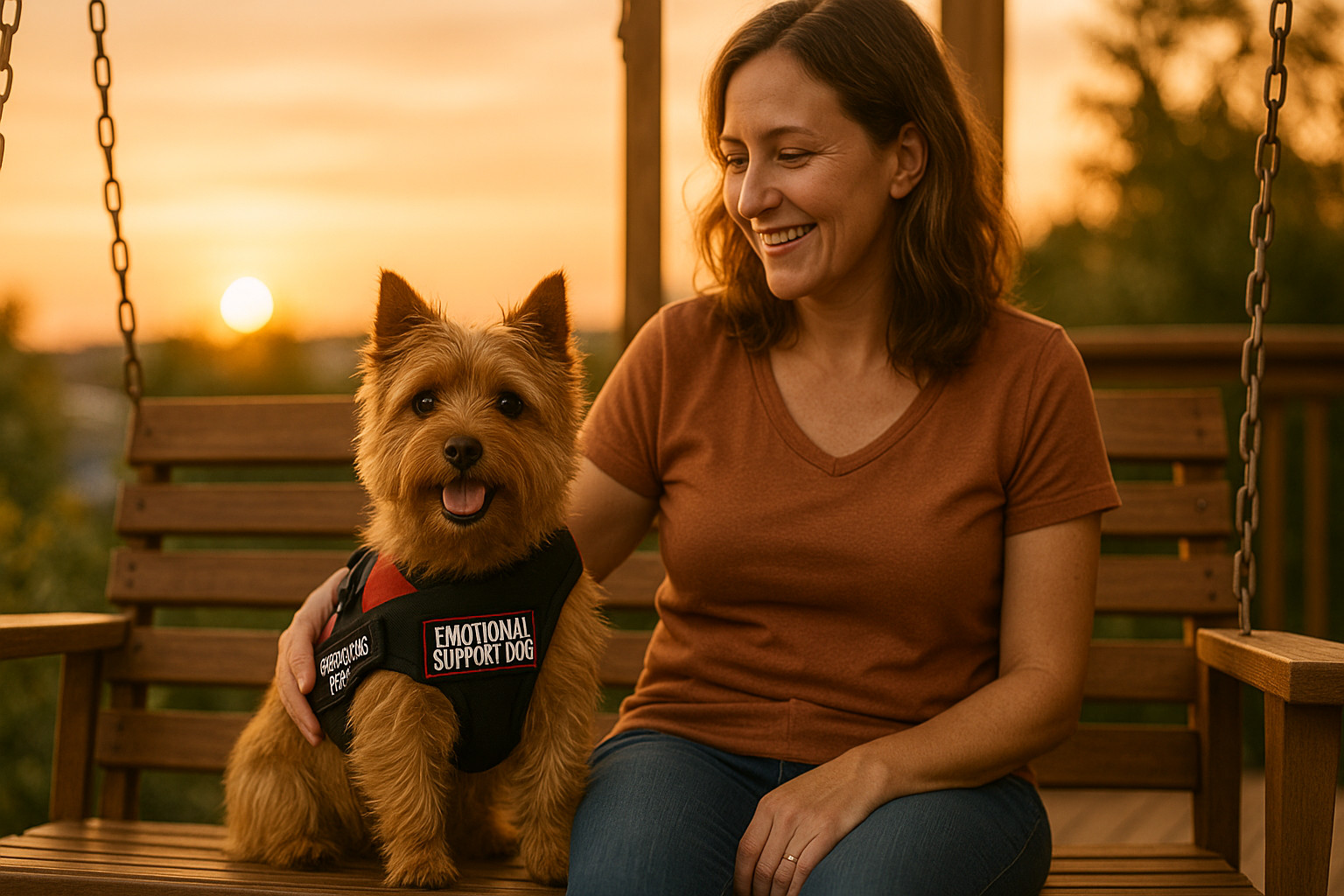
Norwich Terrier as an Emotional Support Dog
Register Any Breed
Understanding the Emotional Support Role
Emotional support animals (ESAs) offer invaluable companions for individuals experiencing emotional or psychological challenges. Unlike service animals, an ESA doesn't require specific training for tasks but plays a critical role in improving mental well-being through companionship. Within this context, the Norwich Terrier stands out as a potential candidate due to its distinct characteristics and demeanor. This article explores the suitability of the Norwich Terrier as an emotional support dog, evaluating how its personality, adaptability, and care needs align with providing emotional stability and companionship.
Norwich Terrier Overview
The Norwich Terrier is a small, robust breed known for its affectionate nature and spirited demeanor. Originally bred for ratting and bolting foxes, their history as working dogs lends them a certain resilience and attentiveness. Standing about 10 inches tall and weighing between 11 to 12 pounds, their compact size makes them suitable for various living environments, from urban apartments to rural homes.
- Size and weight: 10 inches tall; 11-12 pounds
- Coat type: Short, wiry, and requires regular maintenance
- Life expectancy: Approximately 12-15 years
The Norwich Terrier’s physical characteristics complement its potential as an emotional support animal, offering snug companionship without spatial demands that larger breeds might impose.
Temperament and Emotional Connection
Norwich Terriers are celebrated for their happy dispositions and deep emotional bonds with their human companions. Their keen intelligence, combined with an affectionate personality, enables them to intuitively sense and respond to the emotional states of those around them.
- Affectionate and loyal: Norwich Terriers form deep connections, providing consistent emotional presence.
- Intuitive responses: They are adept at reading human emotions, offering companionship during moments of distress.
- Energetic but controlled: Their moderate energy levels accommodate those needing active engagement or those preferring calmer interactions.
The Norwich’s temperament allows it to excel in providing emotional relief, whether through engaging play or serene companionship, depending on the owner's immediate needs.
Adaptability and Daily Behavior
This breed’s adaptability is one of its most prominent qualities when serving as an emotional support companion. Norwich Terriers thrive in various environments and can adjust their behavior to suit the dynamics of their household, ensuring they offer comfort without disruption.
- Environmental adaptability: Versatile in both bustling and quiet living spaces.
- Routine flexibility: While they benefit from regular exercise, they are equally comfortable with less rigorous routines.
- Interaction with other pets: Though originally bred as hunters, they typically get along well with other animals when adequately socialized.
Norwich Terriers can modify their behavior to align with their owner’s lifestyle, providing stability and comfort through both active and passive interactions.
Register Any Breed
Situations Where Norwich Terrier Provides Strong Support
The Norwich Terrier excels in environments where consistent emotional support is needed. They offer unique strengths in specific scenarios:
- Assisting with anxiety or stress: Their playful nature and loyalty make them great companions during periods of anxiety, providing distraction and comfort.
- Alleviating loneliness: Their need for companionship translates into affection and interaction that can significantly alleviate feelings of isolation.
- Supporting emotional resilience: Their presence can foster a sense of routine and normalcy, helping individuals cope with change or emotional upheaval.
The breed’s specific behaviors and needs are tailored in a way that makes them particularly effective in addressing loneliness and anxiety, two critical hindrances to emotional health.
Ideal Living Environments
Norwich Terriers are highly adaptable and can fit into various living arrangements:
- Urban apartments: Their small size and manageable exercise needs make them ideal for city living.
- Family homes: They thrive with families, providing activities and companionship for both children and adults.
- Assisted living facilities: Their gentle demeanor and small stature make them suitable for environments catering to the elderly or those with mobility issues.
Their ability to adapt to diverse living situations allows them to provide emotional support effectively, regardless of the specific environment.
Bonds with Different Types of People
The Norwich Terrier’s ability to form bonds is a crucial factor in their effectiveness as emotional support animals. They are particularly adept at connecting with:
- Children: Their playful nature and patience make them wonderful companions for children requiring emotional support.
- Elderly individuals: Their low maintenance and companionship provide the elderly with a rhythm that emphasizes comfort and ease.
- Individuals with emotional disorders: Their predictability and unwavering loyalty help create a stable emotional environment.
Their versatility in developing bonds ensures they can offer tailored emotional support across a spectrum of demographics.
Health, Care, and Wellbeing
The overall health and wellbeing of a Norwich Terrier are fundamental in maintaining their effectiveness as an emotional support animal. Their care needs are straightforward but require consistency to ensure they remain active and content.
Common Health Considerations
While generally healthy, Norwich Terriers are susceptible to certain conditions, including:
- Patellar luxation: A common joint condition in smaller breeds.
- Eye conditions: Regular vet check-ups can help manage these components effectively.
- Respiratory issues: In rare instances, they might experience breathing challenges.
Regular veterinary care can preemptively address these health concerns, ensuring the Norwich maintains a lifestyle conducive to providing constant emotional support.
Grooming, Comfort, and Maintenance Needs
The grooming needs of the Norwich Terrier help maintain not only their physical health but also their comfort, which directly impacts their emotional stability.
- Coat maintenance: Regular brushing of their wiry coat prevents matting and reduces shedding.
- Dental hygiene: Proper dental care is essential, as smaller breeds can be prone to dental disease.
- Exercise routines: While not overly demanding, sufficient exercise is vital to their physical and emotional wellbeing.
Consistent care routines help the Norwich Terrier maintain the vitality and comfort necessary to serve as an effective emotional support animal.
Preparing a Norwich Terrier for Emotional Support Work
Preparation for a Norwich Terrier to assume an emotional support role involves socialization and honing their responsiveness to emotional cues.
Socialization and Responsiveness
Introducing the Norwich Terrier to diverse people and environments enhances their ability to provide emotional support by cementing their confidence and responsiveness.
- Social exposure: Frequent interactions with various people and settings improve adaptability.
- Training exercises: Basic obedience training fosters discipline, ensuring they maintain focus on emotional support roles.
These preparatory steps augment the Norwich Terrier’s natural instincts to detect and respond to emotional needs effectively.
Managing Stress and Emotional Cues
An essential component of readiness is the ability to manage their stress and respond appropriately to emotional signals from their handler.
- Stress indicators: Understanding their signs of stress can help manage and mitigate these occurrences.
- Emotional alignment: They should be trained to recognize and adapt to emotional cues, reinforcing their role as supportive companions.
Appropriate management of stress and emotional cue responsiveness enhances the Norwich Terrier's capability to provide stable and effective emotional support.
Strengths, Challenges, and Ideal Homes for Norwich Terrier
The natural characteristics of the Norwich Terrier offer several strengths and some challenges in the realm of emotional support:
- Strengths: Affectionate nature, adaptability, intelligence, and small size.
- Challenges: Potential health issues and grooming needs.
- Ideal Homes: Loving environments where they receive adequate attention and regular interaction.
Acknowledging these elements ensures the Norwich is placed in a situation where both they and their handler can thrive emotionally.
Final Thoughts
In conclusion, the Norwich Terrier’s natural disposition, empathetic nature, and adaptability make them exceptional emotional support dogs. While they require regular care and attention, the comfort and companionship they provide are invaluable for individuals facing emotional challenges.
Key Takeaways for the Norwich Terrier as an Emotional Support Dog
- Best suited for: Individuals or families looking for a small, affectionate companion.
- Not ideal for: People unable to meet their grooming and exercise needs.
- Emotional traits: Loyal, intuitive, and joyful.
- Care and health notes: Regular grooming, dental care, and attention to potential health issues.
- Environments where they provide the most comfort: Apartments, family homes, assisted living facilities.
This detailed profile of the Norwich Terrier highlights its unique advantages as an emotional support animal, offering both companionship and stability to those in need.


-
Public Access Kits
$149.00 Learn more This product has multiple variants. The options may be chosen on the product page -
Quick Ship Premium Vests
$48.00 – $82.00 Learn more This product has multiple variants. The options may be chosen on the product page -
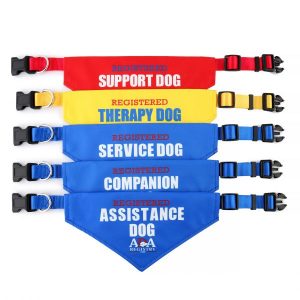
Service Dog Bandana
$39.95 Learn more This product has multiple variants. The options may be chosen on the product page
Custom ID Cards

Custom ID Cards
Custom Service Dog Tags
Official Dog Vests
Smart Vests
Official Public Access Kits
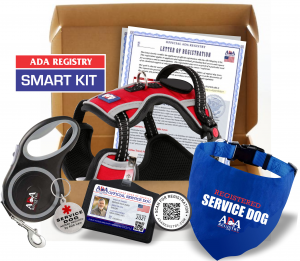
Complete Kits
USA & CANADA Letters
High Quality Bandanas
Service Dog Tags
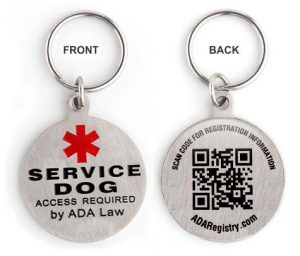
Smart Tags

ESA TAGS