Nova Scotia Duck Tolling Retriever as an Emotional Support Dog
Register Any Breed
Understanding the Emotional Support Role
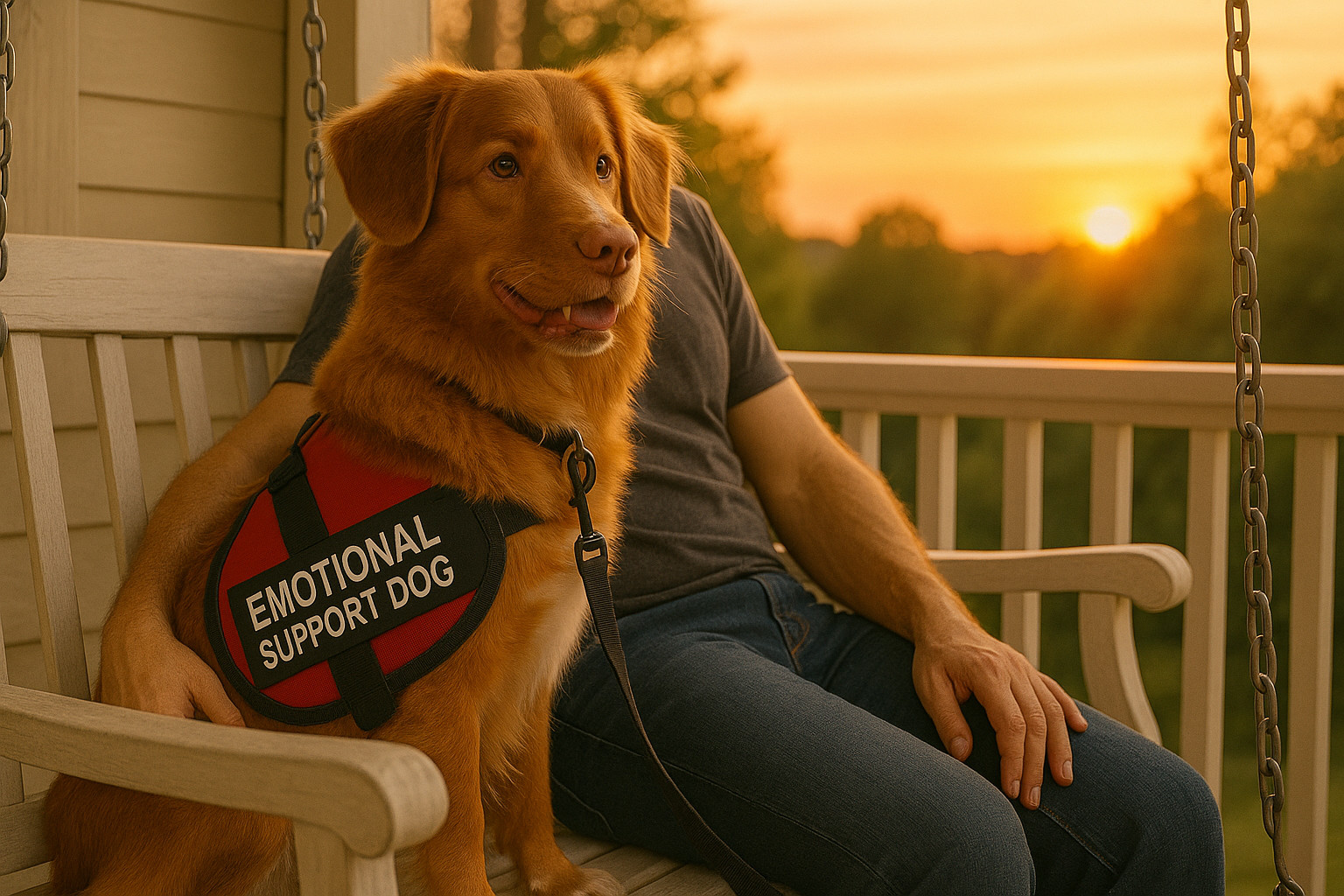
Emotional Support Animals (ESAs) offer comfort and assistance to individuals experiencing emotional difficulties such as anxiety, depression, and loneliness. While they do not perform specific tasks like service dogs, their presence alone can be reassuring. The Nova Scotia Duck Tolling Retriever, with its unique combination of temperament, adaptability, and empathy, is a delightful candidate for an emotional support role. This breed's innate ability to connect with humans makes it an exceptional companion for those in need of emotional stability.
Nova Scotia Duck Tolling Retriever Overview
The Nova Scotia Duck Tolling Retriever, affectionately known as the "Toller," is a medium-sized breed renowned for its intelligence and energy. Originally bred to lure and retrieve ducks, these dogs have transitionally proven themselves to be highly effective as Emotional Support Animals (ESAs). Their perpetual eagerness to engage with human counterparts and their vibrant personality enhance their appeal as emotional support companions.
The Toller stands out with its fox-like appearance, expressive eyes, and a luxurious double coat that invites petting—an activity that, in itself, can be calming and stress-relieving. Their size, typically ranging from 17 to 21 inches in height and 35 to 50 pounds in weight, makes them a suitable fit for various living situations. Their life expectancy of 12-14 years offers a long-term companion for those in need.
Temperament and Emotional Connection
The Nova Scotia Duck Tolling Retriever is celebrated for its affectionate nature and its exceptional ability to forge deep emotional connections with humans. Their responsiveness and attentiveness are critical in the realm of emotional support, allowing them to provide companionship and peace of mind to those coping with emotional challenges.
Known for their alertness and desire to please, Tollers are often intuitive in reading human emotions. This sensitivity means they can detect subtle mood shifts, and their affable disposition allows them to offer comfort through a gentle nuzzle or companionship. Their calm demeanor and high empathy make them perfect confidants who are always ready to offer a listening ear without judgment.
Adaptability and Daily Behavior
Tollers exhibit an impressive level of adaptability, which serves them well in the role of emotional support animals. Their flexibility allows them to thrive in diverse environments, from bustling urban apartments to quieter family homes. Tollers possess a playful energy that can help alleviate stress or anxiety in their owners, offering a sense of normalcy through engaging interaction.
These dogs are naturally curious and enthusiastic learners, traits that ensure they easily integrate into the daily routines and lifestyles of their handlers. Whether it's joining in on a morning jog or settling in for a lazy afternoon, the Toller is versatile and eager to meet their human's emotional needs at every turn.
Register Any Breed
Situations Where Nova Scotia Duck Tolling Retriever Provides Strong Support
Due to their keen perceptiveness and emotional agility, Nova Scotia Duck Tolling Retrievers excel in supporting individuals dealing with a wide range of emotional challenges. Their energetic and affectionate nature makes them particularly effective in the following situations:
- Anxiety Reduction: Their playful demeanor and eagerness to engage in activities help distract and reduce stress.
- Alleviating Loneliness: Tollers provide consistent companionship, easing feelings of isolation.
- Boosting Mood: Their innate happiness and zest for life can uplift those experiencing low moods.
Whether in moments of high stress or while navigating the complexities of emotional hardship, the Toller stands ready to comfort with unwavering loyalty and playfulness.
Ideal Living Environments
Ideal environments for Tollers as emotional support companions include settings where their energy can be carefully managed and channeled. While they can adapt to apartment living, access to outdoor spaces for play is beneficial. Family homes with secure yards or close proximity to parks can provide the exercise Tollers need, maintaining their mental and emotional well-being.
Furthermore, Tollers thrive in households where their companionship is cherished and where they are included as integral members of the family. Environments that encourage interaction and allow them to partake in regular activities with their humans are ideal.
Bonds with Different Types of People
Tollers are naturally drawn to human interaction, making them versatile in developing bonds across different demographics.
- Families: Their playful nature pairs well with children, offering both companionship and a dynamic outlet for energy.
- Single Adults: As dedicated partners, Tollers offer consistent emotional reinforcement, providing a sense of security and support.
- Elderly Individuals: Tollers' gentle and loyal disposition makes them perfect companions for older adults, ensuring constant comfort and cheerful company.
This versatility in bonding and companionship underscores their effectiveness as emotional support animals across various individual needs and lifestyles.
Health, Care, and Wellbeing
Proper health management is paramount for Tollers to fulfill their role as effective emotional support animals. Overall, they are a relatively healthy breed but do have specific considerations that must be attended to with diligence.
Common Health Considerations
Like all breeds, the Nova Scotia Duck Tolling Retriever is subject to certain health conditions. Regular veterinary care is essential to monitor and manage these to ensure Tollers remain capable companions. Key health concerns include:
- Hip Dysplasia: Regular checks can help identify any mobility issues early.
- Progressive Retinal Atrophy (PRA): Routine eye examinations can prevent vision loss from impacting their support role.
- Autoimmune Disorders: Regular veterinary visits can help manage and counteract these issues.
Prioritizing their health allows Tollers to focus on their primary directive—supporting and comforting their handler.
Grooming, Comfort, and Maintenance Needs
Consistent grooming is essential for Tollers, whose coats can become tangled if not well-maintained. Routine brushing not only keeps their coats shiny but also becomes an opportunity for bonding, which can be beneficial for the emotional support dynamic.
- Brushing: At least twice a week to prevent mats.
- Bathing: Every two months, or as necessary.
- Nail Trimming and Ear Cleaning: Regular maintenance prevents discomfort or infection, ensuring they remain focused on providing support.
Meeting these care needs underlines their role's dependability, making them better suited to offer uninterrupted support.
Preparing a Nova Scotia Duck Tolling Retriever for Emotional Support Work
Socialization and proper response training are vital in fostering the Nova Scotia Duck Tolling Retriever’s ability to perform effectively as an emotional support animal.
Socialization and Responsiveness
Early socialization enriches the Toller’s adaptability to different scenarios and environments, making them more comfortable and responsive. Exposure to different stimuli and situations ensures they remain composed and focused, even amidst distractions.
- Training Classes: Enrolling in puppy classes reinforces command adherence and social behavior.
- Varied Social Experiences: Positive interactions with other people and pets enhance their ability to form and maintain connections, crucial for emotional support work.
Managing Stress and Emotional Cues
Tollers possess a keen ability to interpret and react to the emotional signals of their human counterparts. However, enabling them to consistently handle stress and emotions is an ongoing process.
Managing stressors and teaching the Toller to maintain calmness is essential, particularly in fluctuating emotional environments. Consistent routines, positive reinforcement methods, and calm, assertive leadership foster an environment where the Toller feels secure and ready to assist emotionally.
Strengths, Challenges, and Ideal Homes for Nova Scotia Duck Tolling Retriever
Tollers showcase numerous strengths as emotional support dogs. Their intelligence, playful spirit, and inherent empathy render them reliable companions capable of lightening emotional burdens. However, they also present challenges, such as their energy and need for consistent stimulation, which may prove difficult for some handlers to manage.
However, their major strengths include:
- Adaptability to Various Environments: They seamlessly adjust to different living circumstances.
- Strong Emotional Connection: They naturally form deep bonds, facilitating comfort.
- Playful Companionship: Their playfulness can help alleviate stress and foster happiness.
Ideal homes for a Toller involve owners who are proactive in their interaction and provide ample activity. A supportive, understanding environment allows the Toller to thrive and perform effectively in their emotional support duties.
Final Thoughts
In sum, the Nova Scotia Duck Tolling Retriever exemplifies the qualities essential for an emotional support dog. Their combination of empathy, intelligence, and companionship offers meaningful benefits to those in need of emotional stability. With proper care and training, a Toller can offer a depth of support, reflecting the profound impact emotional support animals have on human lives.
Key Takeaways for the Nova Scotia Duck Tolling Retriever as an Emotional Support Dog
- Best suited for: Families, single adults, and the elderly needing emotional support, especially those with space for moderate exercise
- Not ideal for: Inactive individuals unable to manage or channel their energy effectively, or those in need of dogs for service work
- Emotional traits: Empathetic, affectionate, intuitive, adaptable, playful
- Care and health notes: Regular grooming, routine veterinary checks for common breed health issues
- Environments where they provide the most comfort: Family homes, settings with regular human interaction, emotionally engaging environments with space for activities


-
Public Access Kits
$149.00 Learn more This product has multiple variants. The options may be chosen on the product page -
Quick Ship Premium Vests
$48.00 – $82.00 Learn more This product has multiple variants. The options may be chosen on the product page -
Service Dog Bandana
$39.95 Learn more This product has multiple variants. The options may be chosen on the product page
Custom ID Cards

Custom ID Cards
Custom Service Dog Tags
Official Dog Vests
Smart Vests
Official Public Access Kits
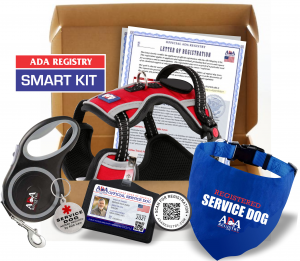
Complete Kits
USA & CANADA Letters
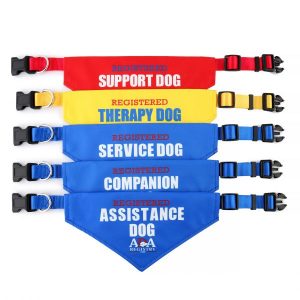
High Quality Bandanas
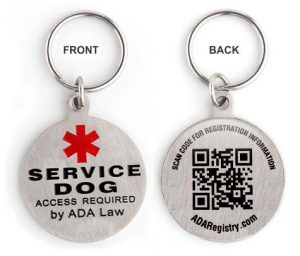
Service Dog Tags
Smart Tags

ESA TAGS