Pug as an Emotional Support Dog
Register Any Breed
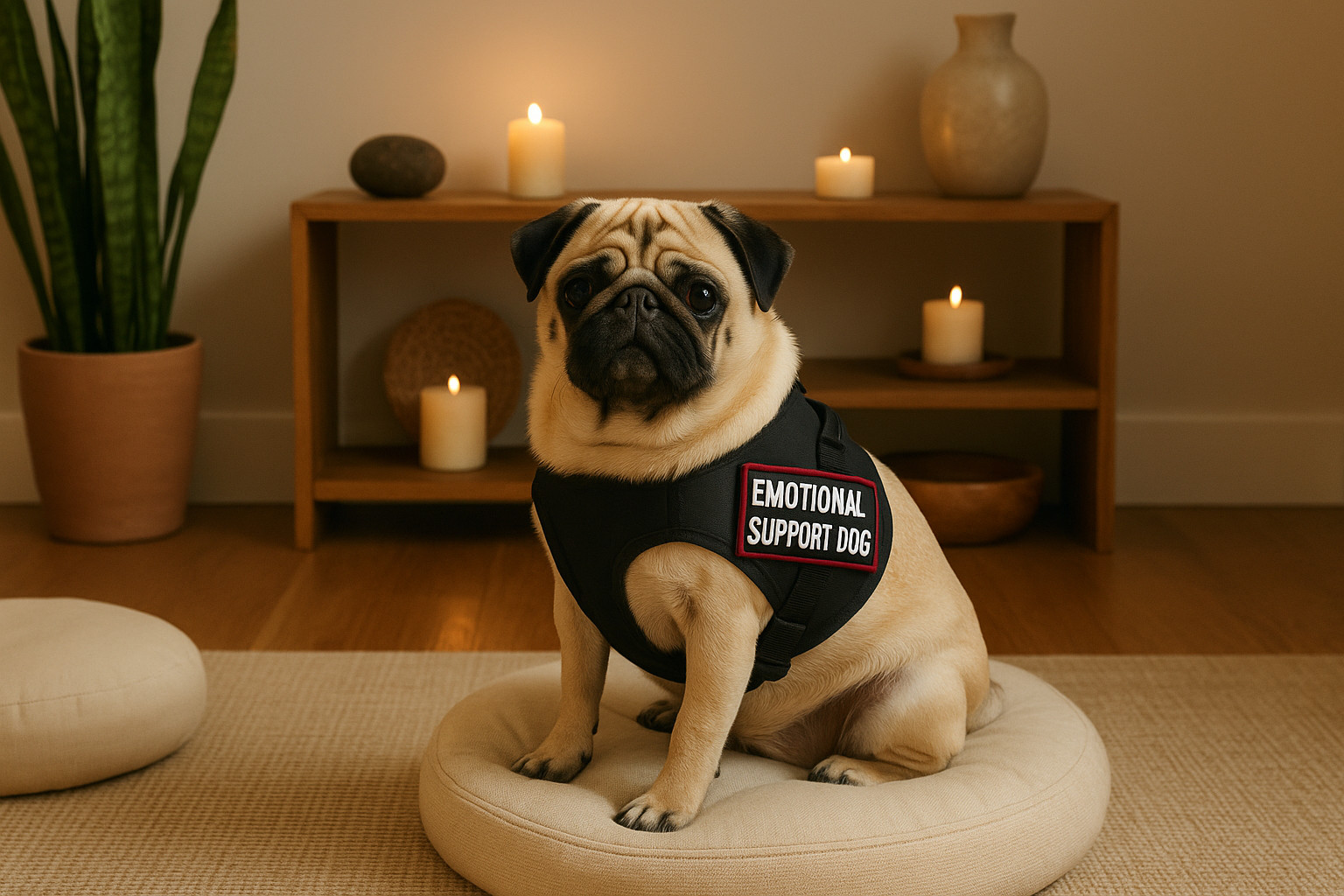
In recent years, emotional support animals (ESAs) have increasingly become essential companions for individuals struggling with various emotional and mental health challenges. Among the diverse selection of potential ESAs, the Pug stands out as a uniquely suited breed for providing emotional comfort. This article will delve into the characteristics and attributes that make the Pug an excellent emotional support dog and how their personality contributes to emotional stability and companionship.
Understanding the Emotional Support Role
Pug Overview
Pugs are a small, robust breed known for their distinctive wrinkled faces and expressive eyes. Originating from China, these dogs were historically bred to be companions, a role they continue to excel in today. Their size makes them well-suited for various living situations, while their charming demeanor often brings a smile to the faces of those around them. As an emotional support dog, a Pug's primary role is to offer comfort, reduce feelings of anxiety, and foster a sense of calm for their owner.
Temperament and Emotional Connection
One of the most notable traits of Pugs is their affectionate nature. They thrive on human interaction and enjoy being the center of attention, which naturally lends itself to their role as emotional support animals. Their temperament is typically characterized by:
- Affectionate and Friendly: Pugs seek closeness and bond quickly with their owners, offering a consistent source of love and companionship.
- Sensitive to Human Emotions: These dogs possess an intuitive ability to read human emotions, often responding to their owner's distress with comforting behaviors.
- Playful yet Calm: While they enjoy playtime, Pugs are known for their laid-back nature, allowing them to be soothing companions in stressful situations.
Adaptability and Daily Behavior
Pugs demonstrate remarkable adaptability, making them a versatile choice for an ESA. Their daily behavior reflects this adaptability in several ways:
- Suitability for Various Lifestyles: Whether in a bustling city apartment or a suburban home, Pugs adjust well to different living spaces.
- Routine-loving: They thrive on a consistent routine, which can help provide structure for individuals dealing with anxiety or depression.
- Travel Companions: Their small size and ease with new environments make Pugs ideal travel companions, easing the stress of journeys for their owners.
Situations Where Pug Provides Strong Support
Pugs are particularly effective in providing emotional support in situations characterized by anxiety, depression, and social isolation. They offer:
- Calming Presence: Just their relaxed demeanor helps to soothe nerves in hectic environments.
- Encouragement for Social Interaction: Their curious and friendly nature often encourages interactions, helping owners integrate into social situations.
- Alleviation of Loneliness: Pugs crave companionship, making excellent partners for those feeling isolated or alone.
Ideal Living Environments
When considering a Pug as an ESA, the living environment is crucial for maximizing the benefits they offer. The ideal settings include:
- Apartments or Small Homes: Their size makes them an excellent choice for apartment living.
- Family Homes: They are friendly with all ages, making them suitable for families.
- Assisted Living Facilities: Their gentle nature and relatively low exercise needs make them great for individuals in assisted living situations.
Bonds with Different Types of People
Pugs form strong bonds with owners across many demographics:
Register Any Breed
- Seniors: Their need for moderate exercise and desire for close companionship make them perfect for older adults seeking a pet to share a quiet life.
- Children: With a friendly and non-aggressive demeanor, Pugs can be wonderful companions for children, providing both companionship and opportunities for responsibility.
- Single Professionals: For those lacking daily companionship, a Pug’s presence can greatly enhance daily life, offering both relaxation and joy.
Health, Care, and Wellbeing
Common Health Considerations
Pugs, while generally hearty, are prone to certain health concerns that can impact their effectiveness as an emotional support animal:
- Respiratory Issues: Due to their short noses, Pugs can suffer from breathing difficulties, particularly in hot or humid conditions.
- Skin Care: Their wrinkles require regular cleaning to prevent infections.
- Weight Management: They can gain weight easily, so a balanced diet and exercise are crucial.
Grooming, Comfort, and Maintenance Needs
The maintenance of a Pug is relatively straightforward but essential to ensure they remain comfortable and healthy:
- Regular Grooming: Their short coat requires regular brushing to manage shedding.
- Wrinkle Care: Keeping facial folds clean and dry is a priority to prevent skin issues.
- Comfortable Living Arrangements: Ensuring they have a cool, comfortable space, especially in warm climates, is vital due to their susceptibility to heat.
Preparing a Pug for Emotional Support Work
Socialization and Responsiveness
To prepare a Pug effectively for their role as an ESA:
- Early Socialization: Exposing them to various environments, people, and experiences helps develop their social skills.
- Basic Training: Teaching simple commands enhances their ability to respond to their owner’s emotional cues.
Managing Stress and Emotional Cues
Pugs must be trained to manage their stress so they can focus on their owner’s needs:
- Desensitization: Gradually introducing them to potentially stressful situations can build resilience.
- Emotional Observation: Training them to recognize and respond to specific emotional states of their owner provides deepened support.
Strengths, Challenges, and Ideal Homes for Pug
Pugs offer numerous strengths as ESAs but also come with a few challenges:
- Strengths: Their loving nature, adaptability, and size make them ideal for offering emotional support in various settings.
- Challenges: Health issues require careful management, and their need for companionship means they may not thrive if left alone frequently.
- Ideal Homes: Homes with consistent companionship and the ability to manage health and grooming needs can provide the best setting for a Pug ESA.
Final Thoughts
The Pug is a beloved breed with a natural aptitude for emotional support work. Their friendly demeanor, unwavering affection, and adaptability make them a comforting presence in almost any living situation. When considering a Pug as an emotional support animal, it is essential to ensure that their health and wellbeing are maintained, ensuring they bring the best possible support to their owners.
Key Takeaways for the Pug as an Emotional Support Dog
- Best suited for: Seniors, families with children, single professionals, and individuals in need of comfort and companionship.
- Not ideal for: Households where the Pug will frequently be left alone.
- Emotional traits: Affectionate, sensitive to human emotions, adaptable to various environments.
- Care and health notes: Regular grooming, health monitoring for respiratory and skin issues, and weight management are crucial.
- Environments where they provide the most comfort: Apartments, family homes, and assisted living facilities.
Choosing a Pug as an emotional support dog can bring immense joy and relief, reducing stress and fostering a deep, loving bond between pet and owner.


-
Public Access Kits
$149.00 Learn more This product has multiple variants. The options may be chosen on the product page -
Quick Ship Premium Vests
$48.00 – $82.00 Learn more This product has multiple variants. The options may be chosen on the product page -
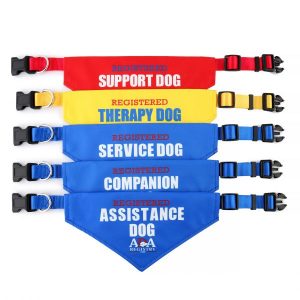
Service Dog Bandana
$39.95 Learn more This product has multiple variants. The options may be chosen on the product page
Custom ID Cards

Custom ID Cards
Custom Service Dog Tags
Official Dog Vests

Smart Vests
Official Public Access Kits
Complete Kits
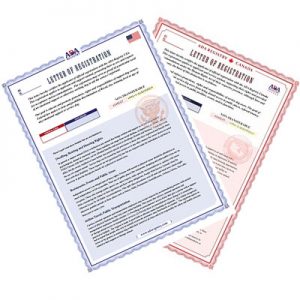
USA & CANADA Letters
High Quality Bandanas
Service Dog Tags
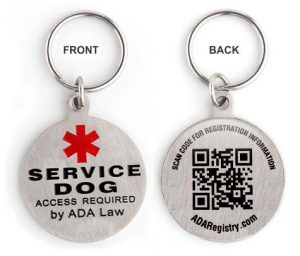
Smart Tags

ESA TAGS