Rat Terrier as an Emotional Support Dog
Register Any Breed

Rat Terriers, with their lively spirits and intelligent nature, may not be the first breed that comes to mind when considering an emotional support animal (ESA). However, these qualities, combined with their ability to form strong emotional connections, make them excellent companions for individuals seeking comfort and stability in their lives.
Understanding the Emotional Support Role
Emotional Support Animals are unique from service dogs as they are not trained to perform specific tasks related to a person’s disability. Instead, they provide mental and emotional comfort through companionship. The choice of breed influences the type of emotional support one might receive. Rat Terriers, with their sharp responsiveness and affectionate nature, embody qualities that make an ESA effective.
Rat Terrier Overview
Originating from the United States, Rat Terriers have a storied history as farm dogs known for their hunting prowess. Small to medium in size, they are compact, agile, and exhibit a distinctive playful demeanor. This agility and playfulness are not merely entertaining; they contribute significantly to the emotional support role by encouraging activity and engaging interactions.
- Size: Typically ranging from 10 to 25 pounds
- Lifespan: 12 to 18 years
- Coat: Short and dense, requiring minimal grooming
Temperament and Emotional Connection
Rat Terriers are known for their tenacity, intelligence, and affectionate nature. These traits underpin their ability to provide emotional support:
- Empathy and Sensitivity: Rat Terriers are attuned to their human companions, often sensing changes in mood which allows them to provide comfort when needed most.
- Companionship: Their loyalty to their owners means they can offer consistent emotional presence, reducing feelings of loneliness or stress.
Adaptability and Daily Behavior
One of the Rat Terrier's greatest strengths lies in their adaptability:
- Energy Levels: They possess a balanced energy profile that can complement both active and more relaxed lifestyles, from cozying up on the couch to participating in outdoor activities.
- Social Nature: They enjoy inclusion in family activities, providing a continuous source of joy and relaxation for their human partners.
Situations Where Rat Terrier Provides Strong Support
In various scenarios, Rat Terriers can be particularly supportive:
- Stress Reduction: Their playful antics and alert nature distract and engage owners, scattering worries through interactive play.
- Routine and Stability: Rat Terriers thrive on regular routines, providing predictability and structure for owners who benefit from daily consistency.
Ideal Living Environments
Rat Terriers can thrive in a range of living situations, making them versatile emotional support companions:
Register Any Breed
- Apartment Living: Their smaller size and need for moderate exercise make them suitable for apartment dwellers as long as they receive daily walks and playtime.
- Family Homes: Adaptable to family dynamics, they can form deep bonds with each member, providing individual and collective emotional support.
- Assisted Living: Their empathetic nature suits environments where residents benefit from companionship without exhaustive care demands.
Bonds with Different Types of People
Rat Terriers' bonds are not limited by the type of person, but the connections they build can vary based on individual needs:
- Single Adults or Seniors: Offering companionship and reducing feelings of loneliness.
- Families: Providing nurturing love and lively interaction, beneficial for both children and adults.
- Individuals with Anxiety: Their presence can be calming, reducing symptoms through tactile and emotional connection.
Health, Care, and Wellbeing
Maintaining the health of a Rat Terrier is crucial to their role as an emotional support animal:
- Exercise Needs: A mix of mental and physical stimulation, like walks or puzzle toys, keeps them engaged and prevents behavioral issues from boredom.
- Diet: A balanced diet is essential to sustain their energy levels and overall health, supporting their role in providing consistent emotional support.
Common Health Considerations
Despite their robust nature, Rat Terriers are prone to specific health issues:
- Allergies: Skin allergies may require dietary adjustments or vet-recommended treatments.
- Joint Concerns: Like many smaller breeds, they could develop joint problems later in life, necessitating veterinary supervision.
Grooming, Comfort, and Maintenance Needs
With minimal grooming needs, Rat Terriers are relatively low maintenance:
- Coat Care: Routine brushing keeps their short coat healthy and reduces shedding.
- Nail Care and Hygiene: Regular nail trims and dental care ensure physical comfort, important for maintaining a supportive presence.
Preparing a Rat Terrier for Emotional Support Work
Training and socialization are paramount to prepare a Rat Terrier for their emotional support duties:
- Socialization: Early exposure to various environments and experiences builds confidence and adaptability.
- Training: Basic obedience and responsiveness training enhance their ability to provide a calming, reassuring presence.
Socialization and Responsiveness
Rat Terriers benefit extensively from socialization:
- Environmental Adaptation: This process reduces anxiety in new situations, allowing them to remain a stable support anchor.
- Responsive Interaction: Responding to cues from their owners, they offer a dynamic therapeutic relationship.
Managing Stress and Emotional Cues
To ensure Rat Terriers provide effective emotional support:
- Observation: Owners should learn to recognize signs of stress in their pets and adjust accordingly.
- Consistent Routine: Helps manage stress and provides a stable environment conducive to emotional support work.
Strengths, Challenges, and Ideal Homes for Rat Terrier
While Rat Terriers shine in their empathetic and lively support role, they also bring unique challenges:
- Strengths:
- Highly empathetic, great for sensing owners' emotional needs.
- Adaptable, fitting a variety of living and social environments.
- Challenges:
- May become bored without adequate mental stimulation, leading to potential mischief.
- Require training consistency to maintain their supportive nature.
- Ideal Homes: Those who value strong bonds and are ready for an interactive relationship.
Final Thoughts
The Rat Terrier, with its intuitive empathy and sociable nature, offers a dynamic and rewarding relationship for those in need of emotional support. By matching their inherent characteristics with suitable training and care, Rat Terriers can provide nuanced emotional stability for a wide array of individuals seeking a supportive companion.
Key Takeaways for the Rat Terrier as an Emotional Support Dog
- Best suited for: Individuals or families looking for a lively, affectionate companion.
- Not ideal for: Those unable to provide regular activity or mental engagement.
- Emotional traits: Empathetic, sensitive, and engaging.
- Care and health notes: Regular exercise, mental challenges, and routine vet visits are crucial.
- Environments where they provide the most comfort: Apartments, family homes, and assisted living environments where close bonds are appreciated.


-
Public Access Kits
$149.00 Learn more This product has multiple variants. The options may be chosen on the product page -
Quick Ship Premium Vests
$48.00 – $82.00 Learn more This product has multiple variants. The options may be chosen on the product page -
Service Dog Bandana
$39.95 Learn more This product has multiple variants. The options may be chosen on the product page
Custom ID Cards

Custom ID Cards
Custom Service Dog Tags
Official Dog Vests

Smart Vests
Official Public Access Kits
Complete Kits
USA & CANADA Letters
High Quality Bandanas

Service Dog Tags
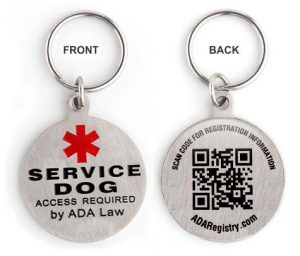
Smart Tags

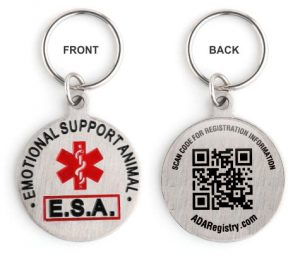
ESA TAGS