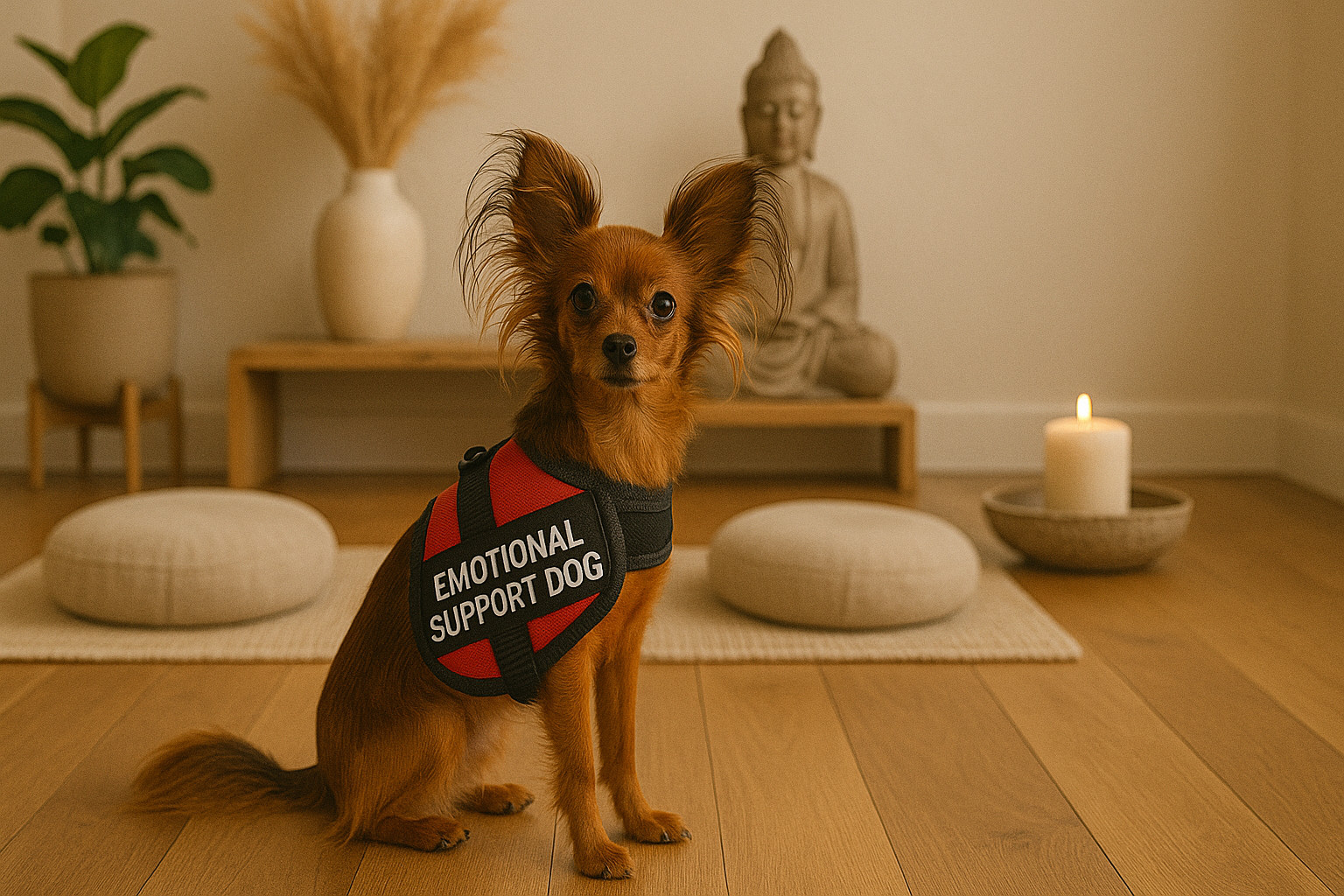
Russian Toy as an Emotional Support Dog
Register Any Breed
Understanding the Emotional Support Role
Emotional Support Animals (ESAs) play a critical role in providing comfort, companionship, and a sense of security to individuals suffering from emotional or mental health challenges. The Russian Toy, with its charming personality and empathetic nature, is an excellent candidate for this role. This article explores the Russian Toy's attributes, emphasizing its suitability as an ESA and its ability to enhance emotional wellbeing.
Russian Toy Overview
The Russian Toy is a small, elegant dog breed known for its captivating appearance and lively disposition. Standing at around 8-10 inches tall and weighing between 3-6 pounds, their petite size and delicate features make them ideal companions for those seeking a manageable and affectionate pet. Although they are not loud barkers, their vocal expressions are charming and attentive, enhancing their communicative rapport with humans.
Temperament and Emotional Connection
Russian Toys are known for their affectionate, loyal, and alert nature. These dogs inherently form strong, deep bonds with their owners, displaying empathy and sensitivity to emotional shifts. Their ability to intuitively grasp and respond to human emotions makes them excellent ESAs. Their calm nature helps to ease anxiety and stress, providing a soothing presence in stressful environments.
- Empathy: Russian Toys have a keen sense of empathy, often seen cuddling owners who feel down or anxious.
- Sensitivity: They pick up on subtle changes in tone or behavior, often adjusting accordingly to offer support.
- Companionship: Their loyal disposition ensures a constant companionship that combats feelings of loneliness.
Adaptability and Daily Behavior
The Russian Toy adapts well to various living situations, thriving particularly in environments where they can maintain close contact with their owners. Their daily behavior is generally consistent, comprising playful interactions interspersed with restful companionship. Despite their compact size, they possess a friendly vigor that encourages activities, which can help alleviate depressive symptoms and encourage positive interactions.
Situations Where Russian Toy Provides Strong Support
Russian Toys excel in situations where they can provide calm and reassurance. In settings where stress, anxiety, or panic attacks are prevalent, they offer an unwavering presence that helps to ground their owners. Their low-energy yet responsive nature makes them excellent companions in situations demanding patience and understanding.
- Calm reassurance during anxiety episodes
- Comfort in unfamiliar or challenging social situations
- Support during recovery from emotional or mental health challenges
Ideal Living Environments
Due to their small size and gentle disposition, Russian Toys flourish in compact living spaces such as apartments, making them perfect for urban dwellers. They easily adapt to family homes and are particularly suitable for assisted living situations, where their companionship is valuable.
- Apartment living with limited space
- Quiet family homes where consistent calmness is needed
- Assisted living with elderly individuals requiring soft companionship
Bonds with Different Types of People
Russian Toys are versatile in their relationships, forming connections with various types of individuals. Whether accompanying a senior citizen seeking gentle companionship or a young professional under stress, their sensitivity enables them to adjust to the individual's needs.
Register Any Breed
- Elderly individuals seeking a calm and consistent companion
- Young professionals needing stress alleviation
- Families with children benefiting from a calm and friendly presence
Health, Care, and Wellbeing
The overall well-being of a Russian Toy is paramount for its effectiveness as an ESA, directly affecting its ability to provide comfort continually. Proper health care and an understanding of their grooming needs ensure that these dogs remain happy and able to fulfill their role.
Common Health Considerations
Being generally healthy, Russian Toys do have a few common breed-specific health concerns. Regular health check-ups and a balanced diet are crucial to mitigating these risks.
- Dental health — tend to have small jaws, requiring regular dental care
- Joint health — prone to patellar luxation, requiring weight management and exercise
- Heart health — need regular veterinary assessments to prevent issues
Grooming, Comfort, and Maintenance Needs
Their short coats require minimal grooming, often limited to weekly brushing and periodic bathing. Maintaining their comfort is vital, ensuring that they remain stress-free, especially as they serve as emotional support.
- Minimal grooming needs make maintenance straightforward
- Routine checks for skin irritations or allergies
- Ensuring cozy, warm spaces in cooler climates
Preparing a Russian Toy for Emotional Support Work
To maximize their potential as ESAs, Russian Toys require proper training and socialization. Their intelligence and willingness to learn make this an achievable task for most owners.
Socialization and Responsiveness
Socialization is key to ensuring that Russian Toys can confidently interact without fear or aggression. Introducing them to various environments, people, and other animals helps build this confidence.
- Exposure to different situations to learn adaptability
- Positive reinforcement techniques to encourage responsiveness
Managing Stress and Emotional Cues
Owners should learn to manage the Russian Toy's stress levels given their sensitivity. Recognizing signs of stress enables timely intervention, helping maintain their calm demeanor.
- Recognizing cues such as restlessness or excessive licking as stress indicators
- Providing comfort and reassurance during overstimulation
Strengths, Challenges, and Ideal Homes for Russian Toy
The Russian Toy brings numerous strengths as an ESA, though it is important to consider potential challenges. Their emotional sensitivity suits them well for environments requiring gentle presence and understanding.
- Strengths include empathy, stability, and affectionate demeanor
- Challenges involve maintaining physical and mental well-being
- Ideal in quiet, stable homes that value emotional connection and companionship
Final Thoughts
The Russian Toy's intrinsic qualities — empathy, sensitivity, loyalty — render it an exceptional emotional support companion. With proper care and attention to its health and emotional needs, the Russian Toy can provide unwavering support and companionship to those requiring its gentle, unwavering presence.
Key Takeaways for the Russian Toy as an Emotional Support Dog
- Best suited for: Quiet apartment living, assisted living, families needing gentle support.
- Not ideal for: Highly chaotic environments or those requiring large, active dogs.
- Emotional traits: Empathetic, sensitive, loving, intuitive.
- Care and health notes: Regular health checks, minimal grooming, attentive health management.
- Environments where they provide the most comfort: Small apartments, calm family homes, assisted living settings.


-
Public Access Kits
$149.00 Learn more This product has multiple variants. The options may be chosen on the product page -
Quick Ship Premium Vests
$48.00 – $82.00 Learn more This product has multiple variants. The options may be chosen on the product page -
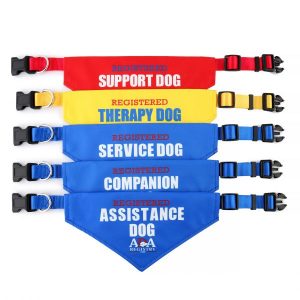
Service Dog Bandana
$39.95 Learn more This product has multiple variants. The options may be chosen on the product page
Custom ID Cards

Custom ID Cards
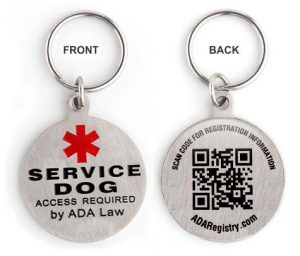
Custom Service Dog Tags
Official Dog Vests

Smart Vests
Official Public Access Kits
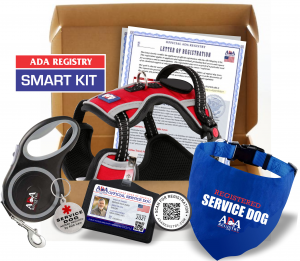
Complete Kits
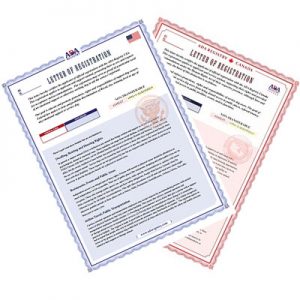
USA & CANADA Letters
High Quality Bandanas
Service Dog Tags
Smart Tags

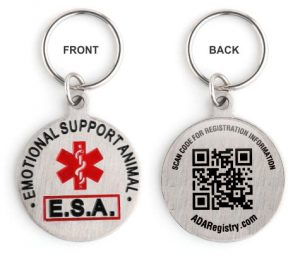
ESA TAGS