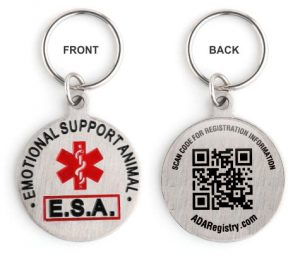
Samoyed as an Emotional Support Dog
Register Any Breed
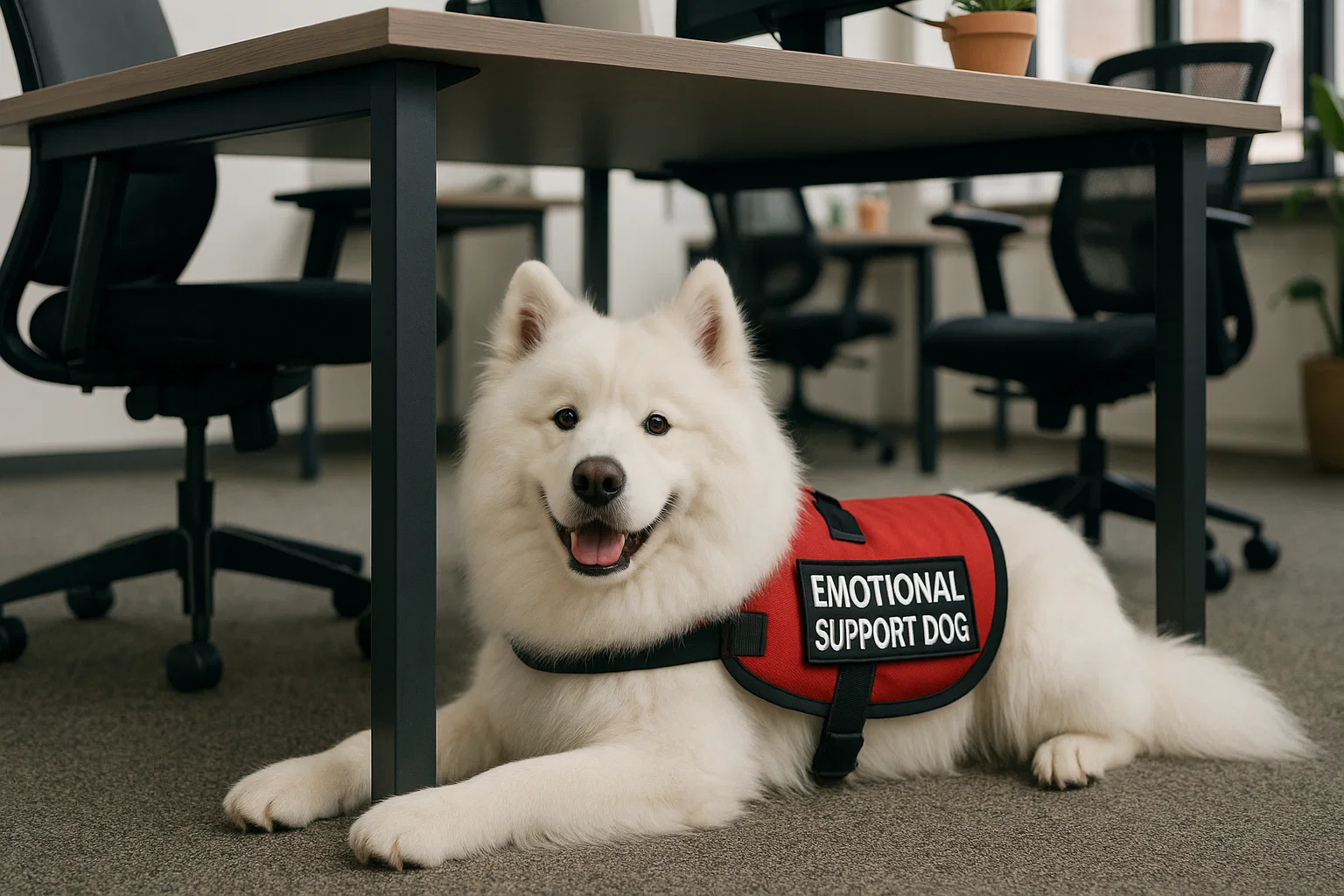
The Samoyed, with its plush white coat and friendly demeanor, is not just a delightful pet but also a potential gem in the realm of emotional support animals (ESAs). This article explores how the breed's unique characteristics can bring profound comfort and companionship to those in need of emotional support.
Understanding the Emotional Support Role
Emotional support animals provide companionship and comfort to individuals dealing with psychiatric disabilities or emotional challenges. Unlike service dogs trained for specific tasks, ESAs like the Samoyed offer therapeutic benefits simply through their presence.
Samoyed Overview
Originating from Siberia, the Samoyed was bred for herding and sledding, living closely with the Samoyedic people. This history has deeply ingrained a sense of loyalty and companionship in the breed. As an emotional support dog, the Samoyed offers warmth—both physically and emotionally—making them a potential ally for individuals seeking constant comfort.
Temperament and Emotional Connection
The Samoyed is renowned for its gentle and friendly temperament. Here's how their traits enhance their role as emotional support companions:
- Affectionate Nature: Samoyeds are inherently loving and thrive on human interaction, making them excellent at providing the companionship essential for emotional support.
- Empathy and Sensitivity: Known for their ability to read human emotions, Samoyeds often react instinctively to their owner’s mood, offering comfort and distraction during emotional lows.
- Playfulness: Their playful energy can be a source of joy and distraction, alleviating stress and promoting a more positive outlook.
Adaptability and Daily Behavior
Samoyeds exhibit versatile adaptability in various living situations:
- Moderate Energy Levels: While they require daily exercise, their energy level is reasonable enough to be managed in both small apartments and larger homes.
- Consistency in Routine: A structured routine can enhance their sense of security, making them dependable ESAs who offer stability to you during uncertain times.
- Social Nature: Their inherent friendliness makes them adaptable to a variety of social situations, helping to foster connections in public or social environments.
Situations Where Samoyed Provides Strong Support
Samoyeds excel in situations where emotional reassurance is crucial:
- Combatting Loneliness: Their need for companionship means they naturally accompany and engage with their owners, reducing feelings of isolation.
- Mitigating Anxiety and Stress: Their calming presence and soothing demeanor help lower anxiety levels, offering both distraction and comfort.
- Supporting Transition Periods: Whether adjusting to new environments or dealing with life changes, a Samoyed offers comfort and consistency through companionship.
Ideal Living Environments
While adaptable, Samoyeds have specific environmental needs that optimize their support potential:
Register Any Breed
- Family Homes: They thrive in environments where they can be deeply involved with family activities.
- Apartments with Nearby Parks: As long as they get regular outdoor time, Samoyeds adapt well to urban living.
- Assisted Living Facilities: Their calming presence makes them suitable companions for individuals in more structured living environments, like assisted living.
Bonds with Different Types of People
Samoyeds can form strong emotional connections with various individuals:
- Families with Children: Their gentle nature means they get along well with children, promoting a nurturing environment.
- Singles or Elderly Individuals: They offer unwavering companionship, addressing the emotional needs of those living alone.
- People with PTSD or Anxiety Disorders: Their intuition and soothing presence make them effective in providing emotional grounding.
Health, Care, and Wellbeing
Ensuring the health and well-being of a Samoyed is crucial for their role as an ESA:
Common Health Considerations
- Hip Dysplasia: Regular vet check-ups and maintaining a healthy weight help manage this risk, ensuring mobility and comfort.
- Allergies and Skin Sensitivity: Being alert to skin issues supports ongoing comfort and prevents irritability.
- Diet and Nutrition: Balanced nutrition ensures their energy levels remain consistent and manageable, supporting their active role as ESAs.
Grooming, Comfort, and Maintenance Needs
To keep a Samoyed comfortable and happy:
- Regular Grooming: Their thick coat requires frequent grooming to prevent matting and control shedding.
- Comfortable Environment: Proper climate control is crucial as Samoyeds are prone to overheating.
- Routine Care: Regular exercise, mental stimulation, and vet visits are essential to maintain their health and support capabilities.
Preparing a Samoyed for Emotional Support Work
Although inherently empathetic, certain training can enhance a Samoyed’s effectiveness as an ESA:
Socialization and Responsiveness
- Exposure to Varied Environments: Begins in puppyhood to ensure they are adaptable and calm in diverse situations.
- Basic Obedience Training: Enhances responsiveness and ensures they are well-mannered, particularly in public or shared spaces.
Managing Stress and Emotional Cues
- Understanding Owner’s Cues: Training them to be attentive to specific emotional cues helps improve their support efficacy.
- Providing Emotional Stability: Instilling a sense of routine maintains the dog’s emotional balance, necessary for providing consistent support.
Strengths, Challenges, and Ideal Homes for Samoyed
- Strengths: Friendly, emotionally intuitive, and adaptable to various living situations.
- Challenges: Requires grooming attention and may suffer in extremely hot climates.
- Ideal Homes: Families, individuals in need of companionship, and environments with access to outdoor spaces.
Final Thoughts
Samoyeds, with their endearing smiles and unwavering loyalty, offer more than just companionship; they bring a profound emotional connection that can transform lives. For individuals in need of emotional support, these loving canines provide an intuitive, comforting presence that is both healing and grounding.
Key Takeaways for the Samoyed as an Emotional Support Dog
- Best suited for: Individuals or families seeking affectionate, loyal companionship that brings consistency and joy into daily life.
- Not ideal for: Those unable to meet grooming needs or living in extremely hot climates without proper climate control.
- Emotional traits: Highly empathetic, friendly, and adept at sensing and responding to emotional cues.
- Care and health notes: Requires frequent grooming and regular exercise to maintain health and wellbeing.
- Environments where they provide the most comfort: Family homes, apartments with access to parks, and structured living environments like assisted living.


-
Public Access Kits
$149.00 Learn more This product has multiple variants. The options may be chosen on the product page -
Quick Ship Premium Vests
$48.00 – $82.00 Learn more This product has multiple variants. The options may be chosen on the product page -
Service Dog Bandana
$39.95 Learn more This product has multiple variants. The options may be chosen on the product page
Custom ID Cards

Custom ID Cards
Custom Service Dog Tags
Official Dog Vests

Smart Vests
Official Public Access Kits
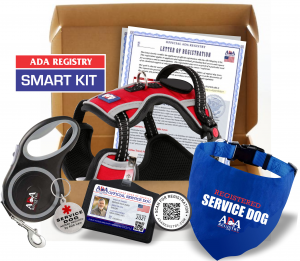
Complete Kits
USA & CANADA Letters
High Quality Bandanas

Service Dog Tags
Smart Tags

ESA TAGS