Schipperke as an Emotional Support Dog
Register Any Breed
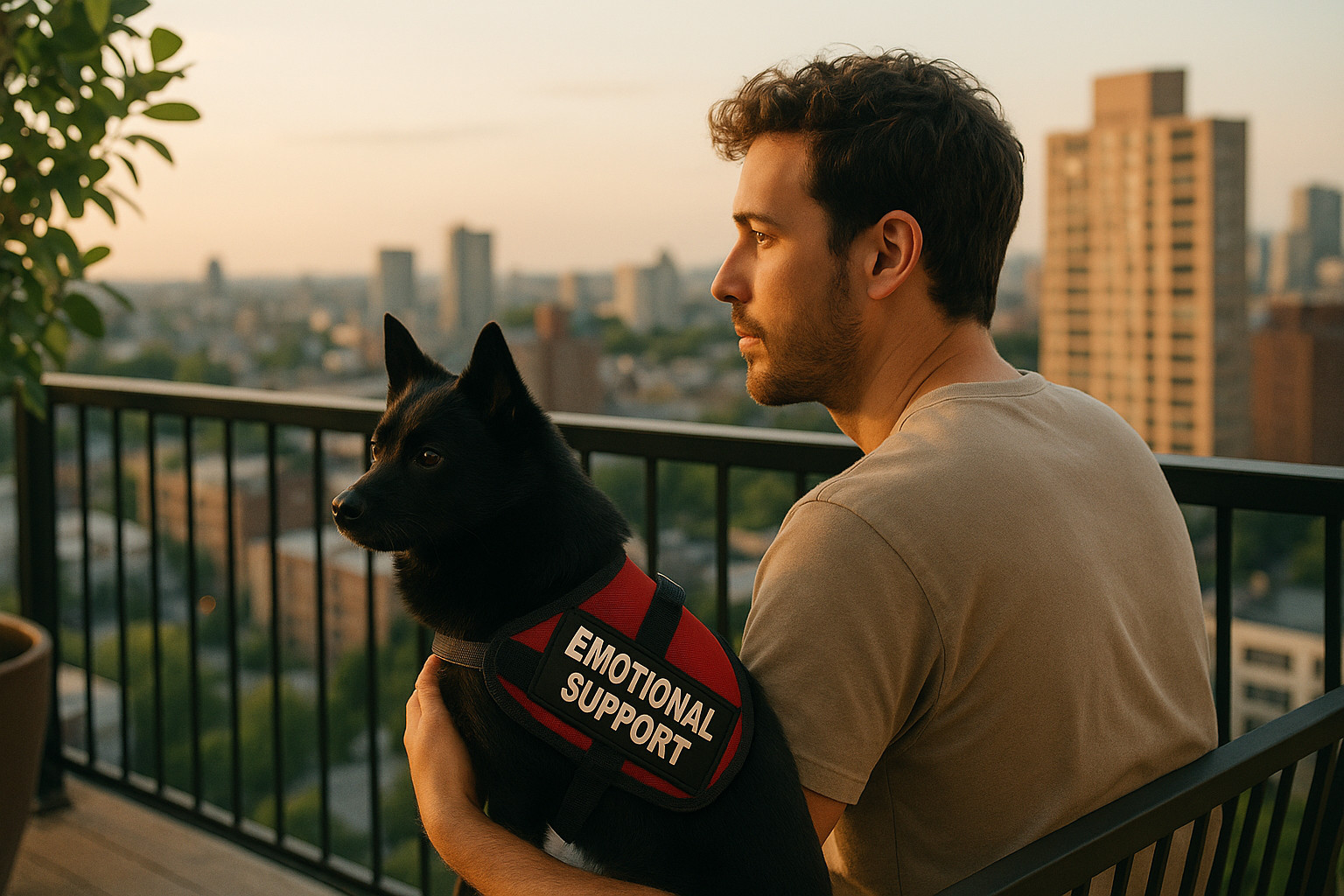
In an increasingly fast-paced world, the need for emotional support animals has gained significant recognition. Among various breeds, the Schipperke, with its distinctive blend of curiosity, adaptability, and affectionate nature, presents itself as an exceptional candidate for fulfilling the role of an emotional support dog.
Understanding the Emotional Support Role
Emotional support animals (ESAs) provide companionship and comfort to individuals, helping alleviate symptoms of emotional or mental stress. Unlike service dogs, ESAs are not required to perform specific tasks but offer therapeutic benefits through their presence and interaction. The Schipperke, with its empathetic nature and keen understanding of human emotions, is well-suited to excel in this capacity.
Schipperke Overview
Originating from Belgium, the Schipperke is known as a small, intelligent dog with an independent spirit and boundless energy. Weighing between 10-16 pounds, they have a thick black coat and a foxy appearance characterized by a keen expression. Their compact size and lively demeanor make them ideal companions for a variety of living environments, from urban apartments to suburban homes.
Temperament and Emotional Connection
Schipperkes are known for their sharp intelligence and deep sense of loyalty. These dogs exhibit a strong emotional connection with their owners, making them attuned to human moods and feelings. Their playful yet observant nature allows them to effortlessly identify when their owner requires emotional support or a comforting presence. This breed's capability to forge deep bonds and their desire to stay close to their humans are pivotal attributes that enhance their role as emotional support dogs.
Adaptability and Daily Behavior
Adaptability is one of the Schipperke's standout traits. They adjust well to various living conditions, whether a bustling city apartment or a quiet country home. This flexibility is beneficial in an ESA, ensuring they remain a steady source of emotional support regardless of environmental changes. Their energetic personality, tempered with a desire for companionship, means they're often content to engage in play or rest quietly, adapting to their owner’s lifestyle and emotional needs readily.
Situations Where Schipperke Provides Strong Support
The Schipperke excels in providing comfort in various situations, such as:
- Anxiety and Stress Relief: Their perceptive nature allows them to sense anxiety, offering grounding presence and affection.
- Loneliness and Isolation: Their companionable nature helps combat feelings of loneliness, offering presence and interaction.
- Routine Support: They thrive in structured environments provided by their owners, helping those who benefit from routine as a grounding technique.
Ideal Living Environments
Because of their size and adaptability, Schipperkes do well in diverse living scenarios. They are suitable for:
Register Any Breed
- Urban Apartments: Compact and energetic, perfect for smaller spaces as long as they receive regular exercise.
- Family Homes: Good with children and other pets, provided they are well-socialized.
- Assisted Living: Their manageable size and gentle nature make them excellent companions for elderly individuals seeking comfort and support.
Bonds with Different Types of People
The Schipperke can form strong bonds with various individuals, including:
- Singles or Individuals with Limited Social Circles: Offering companionship and emotional grounding.
- Families: Known for their adaptability, Schipperkes can become a loving family member, forming especially strong connections with children.
- Elderly Persons: Their manageable size and gentle demeanor make them ideal for elderly individuals needing low-maintenance affection and companionship.
Health, Care, and Wellbeing
A healthy Schipperke is an effective emotional support dog. Proper attention to their health and care ensures they can offer consistent companionship.
Common Health Considerations
The breed is generally healthy but can be prone to certain conditions like patellar luxation and hip dysplasia. Regular veterinary care and health screenings are essential to maintain their physical condition and prevent any impairment in their ability to provide emotional support.
Grooming, Comfort, and Maintenance Needs
The Schipperke’s thick double coat requires regular grooming to prevent mats and reduce shedding, which can be an activity that helps reinforce the bond between the dog and its owner. Routine baths and grooming sessions contribute to their overall health and comfort, ensuring they remain content and focused on their emotional support role.
Preparing a Schipperke for Emotional Support Work
To prepare a Schipperke for their role as an emotional support dog, consider these key areas:
#### Socialization and Responsiveness
Schipperkes should be socialized early to ensure they are comfortable around a variety of people and environments, enhancing their ability to provide emotional support in diverse settings. Their intelligence facilitates training, and they can learn commands and activities that strengthen the bond with their owner, further supporting their role as an ESA.
#### Managing Stress and Emotional Cues
Schipperkes thrive when given assurance and positive reinforcement. Understanding emotional cues from their owner is crucial. Training them to respond to stress indicators or specific instructions can enhance their effectiveness as support dogs.
Strengths, Challenges, and Ideal Homes for Schipperke
While the Schipperke is well-suited to emotional support roles, there are some considerations:
- Strengths: Their intelligence, loyalty, and adaptability make them versatile companions capable of providing consistent emotional support.
- Challenges: They are high-energy and may require more exercise and engagement than some other breeds, which is important to consider for owners with limited mobility.
- Ideal Homes: Active individuals, families, and those able to commit to regular interaction, exercise, and mental stimulation.
Final Thoughts
The Schipperke possesses several inherent traits that make it an excellent emotional support animal. With proper care, training, and management, this breed can provide invaluable emotional stability and companionship to its owner.
—
Key Takeaways for the Schipperke as an Emotional Support Dog
- Best suited for: Active individuals, families, and the elderly in need of companionship.
- Not ideal for: Owners unable to provide regular mental and physical engagement.
- Emotional traits: Empathetic, adaptable, loyal, and observant.
- Care and health notes: Requires regular grooming and health checks; suitable for individuals committed to maintaining their wellbeing.
- Environments where they provide the most comfort: Urban apartments, family homes, and assisted living conditions.
In conclusion, for individuals seeking a dependable and loving emotional support dog, the Schipperke offers a unique blend of traits that cater to various emotional needs and living situations.


-
Public Access Kits
$149.00 Learn more This product has multiple variants. The options may be chosen on the product page -
Quick Ship Premium Vests
$48.00 – $82.00 Learn more This product has multiple variants. The options may be chosen on the product page -
Service Dog Bandana
$39.95 Learn more This product has multiple variants. The options may be chosen on the product page
Custom ID Cards

Custom ID Cards
Custom Service Dog Tags
Official Dog Vests

Smart Vests
Official Public Access Kits
Complete Kits
USA & CANADA Letters
High Quality Bandanas
Service Dog Tags
Smart Tags

ESA TAGS