Shih Tzu as an Emotional Support Dog
Register Any Breed
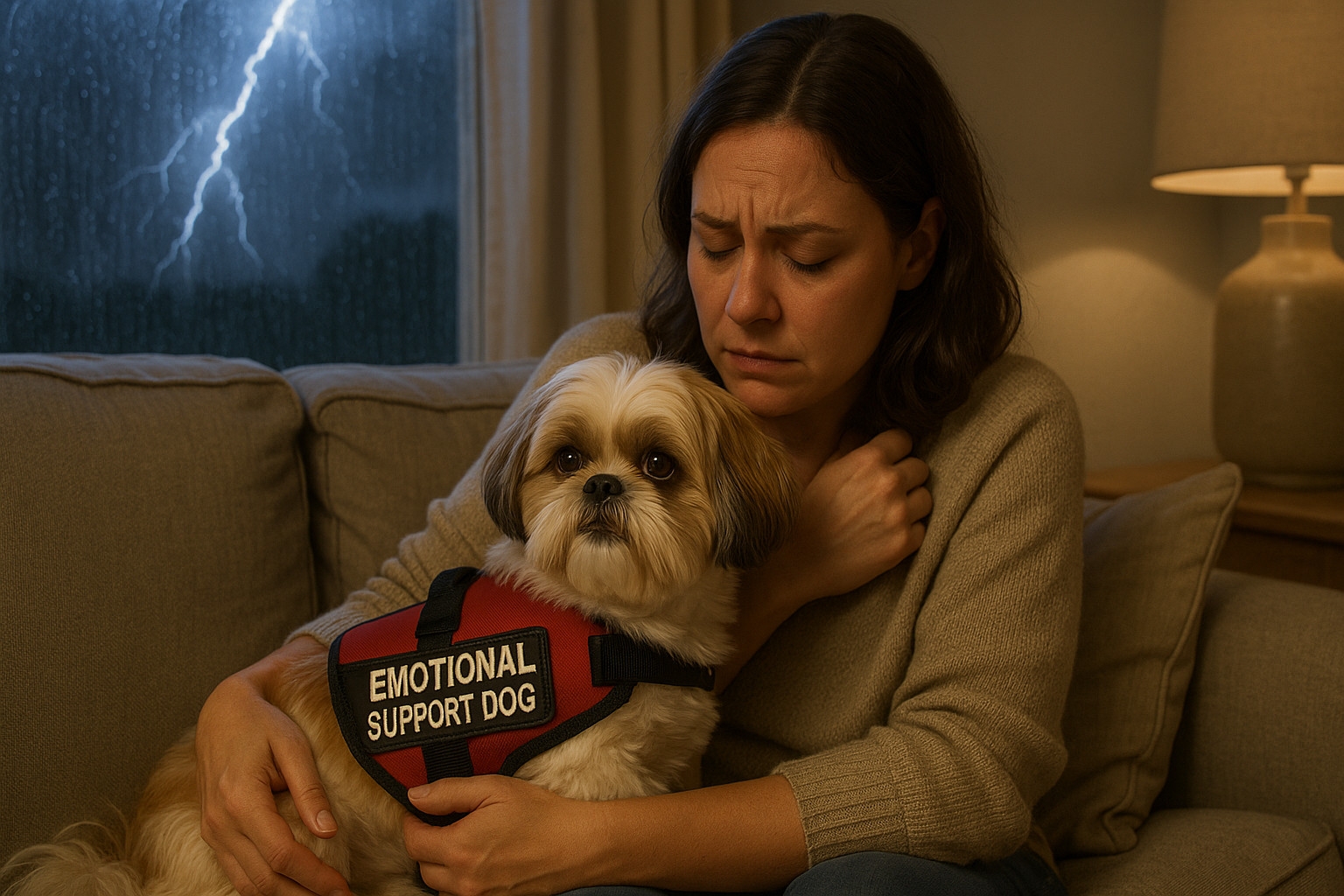
The Shih Tzu, with its distinctive charm and rich history, stands out as a popular choice for providing emotional support. These small yet resilient companions have proven their suitability in a range of supportive roles, offering comfort and companionship to those in need of emotional care.
Understanding the Emotional Support Role
Shih Tzu Overview
The Shih Tzu, a breed originally developed for companionship among the Chinese royalty, is known for its affectionate nature and sociable demeanor. With their lively appearance and signature flowing coat, Shih Tzus captivate hearts worldwide. As an emotional support animal (ESA), a Shih Tzu’s primary role is to provide comfort and alleviate feelings of loneliness, anxiety, or stress through presence and affection.
Temperament and Emotional Connection
The Shih Tzu’s temperament is characterized by a loving, friendly disposition that makes it easy for them to form close bonds with their human companions. Their innate ability to sense emotions allows them to provide intuitive support, often curling up next to someone who is feeling sad or anxious. This breed exhibits remarkable empathy, engaging with humans in a manner that reassures and calms.
In many cases, individuals find that the Shih Tzu’s unwavering devotion and gentle nature bring about a profound emotional connection. Their energy and affectionate gestures can act as a grounding force, enhancing emotional resilience and promoting overall mental well-being.
Adaptability and Daily Behavior
One of the Shih Tzu’s strongest traits is its adaptability to various living situations, making it an ideal choice for diverse settings. Whether in a bustling city apartment or a serene country home, these dogs quickly acclimate to their surroundings. This adaptability is vital as it ensures consistent support across different environments.
Daily life with a Shih Tzu involves a balance of light activity, such as short walks or playful indoor interactions, and restful companionship. Their moderate energy levels and calm demeanor offer stability to those needing emotional support, helping to alleviate stress and promote a peaceful atmosphere.
Situations Where Shih Tzu Provides Strong Support
The Shih Tzu excels in providing emotional support in various circumstances. They shine in situations that require patience and understanding, such as:
Register Any Breed
- Alleviating anxiety in crowded or noisy environments.
- Offering comfort during acute stress episodes, like those experienced by individuals with anxiety disorders.
- Providing companionship to the elderly who may face isolation and loneliness.
- Supporting families with children, especially in educational or therapy settings, by providing a soothing and non-judgmental presence.
Their non-confrontational nature and soothing presence make them especially supportive in assisted living facilities and households with individuals experiencing mental health challenges.
Ideal Living Environments
The Shih Tzu, with its adaptable nature, thrives in multiple living conditions:
- Apartments: Their small size and moderate exercise needs make them particularly suited to apartment living.
- Family homes: They bond well with family members, including children, creating a supportive family dynamic.
- Assisted living settings: Their calming presence can significantly benefit elderly residents or those with mental health needs.
Despite their versatility, it’s essential to provide them with a comfortable, stable environment where they feel secure and loved, ensuring their capability to serve as effective emotional support animals.
Bonds with Different Types of People
Shih Tzus are highly social and build deep bonds with various individuals, including:
- Children: Their playful yet gentle demeanor makes them excellent companions for young ones.
- Elderly individuals: Their calm presence and affection are soothing, offering companionship that eases loneliness.
- Individuals with anxiety or depression: They provide a sense of routine and distraction that helps manage symptoms.
Their natural ability to adjust their energy to match their companion’s needs makes them an exceptional emotional support animal across different demographics.
Health, Care, and Wellbeing
Common Health Considerations
While Shih Tzus are generally healthy, potential health issues should be noted to maintain their ability to offer emotional support effectively:
- Brachycephalic health concerns: Due to their short snouts, they may experience respiratory issues, particularly in extreme temperatures.
- Eye health: Their prominent eyes are prone to infections or injuries, necessitating regular check-ups.
- Joint health: Monitoring for signs of hip dysplasia or patellar luxation is crucial.
Routine veterinary visits and a tailored care plan can manage these concerns, ensuring their continued role as a supportive companion.
Grooming, Comfort, and Maintenance Needs
Regular grooming is essential for a Shih Tzu, given their long, flowing coats:
- Regular brushing: To prevent matting and remove debris.
- Bathing: Occasional baths to maintain coat cleanliness.
- Eye and ear care: Regular cleaning to prevent infections.
Attention to grooming not only contributes to their physical health but also enhances their comfort and capacity to provide emotional support.
Preparing a Shih Tzu for Emotional Support Work
Preparing a Shih Tzu for their role as an ESA involves proper socialization and responsiveness training:
- Socialization: Introducing them to various environments, people, and experiences enhances adaptability.
- Basic commands: Training in basic commands ensures controlled behavior in different settings, reinforcing their supportive role.
A structured approach to training bolsters their reliability and effectiveness as emotional support animals.
Socialization and Responsiveness
A socially well-adjusted Shih Tzu is better equipped to handle the unexpected:
- Introductions to new situations: Gradual exposure to new scenarios builds confidence.
- Response to emotional cues: Developing the ability to recognize and respond to human emotions enhances their support role.
Encouraging responsiveness through patience and positive reinforcement solidifies their ability to offer consistent emotional support.
Managing Stress and Emotional Cues
Recognizing and managing stress in Shih Tzus is key to maintaining their well-being:
- Recognizing signs of stress: Identifying behaviors such as pacing, excessive barking, or withdrawal can indicate stress.
- Providing a safe space: Offering a quiet area where they can retreat helps them manage stress.
Understanding and mitigating these stressors ensure that Shih Tzus remain effective and happy in their role as emotional support animals.
Strengths, Challenges, and Ideal Homes for Shih Tzu
While Shih Tzus offer numerous strengths in emotional support roles, challenges should be considered:
- Strengths:
- Intuitive emotional connection.
- Adaptability to various environments.
- Strong bonds with multiple demographics.
- Challenges:
- Grooming and maintenance demands.
- Health considerations, particularly related to their brachycephalic nature.
Understanding these aspects ensures that they are placed in homes where their strengths can be maximized, and their challenges adequately managed.
Final Thoughts
In conclusion, the Shih Tzu’s emotional sensitivity, adaptability, and affectionate nature make it a remarkable choice for an emotional support animal. By understanding their needs and providing the appropriate care and environment, they can effectively fulfill their role as a comforting companion.
Key Takeaways for the Shih Tzu as an Emotional Support Dog
- Best suited for: Apartments, families with children, assisted living environments.
- Not ideal for: Individuals unable to meet grooming, health, and activity needs.
- Emotional traits: Affectionate, empathetic, and adaptable.
- Care and health notes: Requires regular grooming and attention to respiratory health.
- Environments where they provide the most comfort: Quiet, stable, supportive environments with attentive companions.


-
Public Access Kits
$149.00 Learn more This product has multiple variants. The options may be chosen on the product page -
Quick Ship Premium Vests
$48.00 – $82.00 Learn more This product has multiple variants. The options may be chosen on the product page -
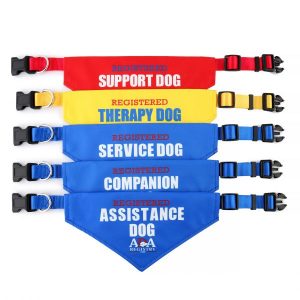
Service Dog Bandana
$39.95 Learn more This product has multiple variants. The options may be chosen on the product page
Custom ID Cards
Custom ID Cards
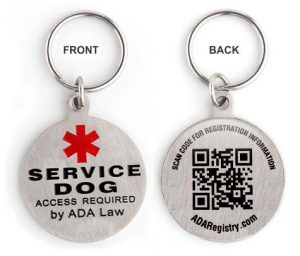
Custom Service Dog Tags
Official Dog Vests

Smart Vests
Official Public Access Kits
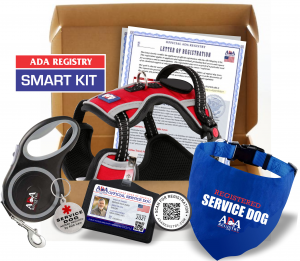
Complete Kits
USA & CANADA Letters
High Quality Bandanas
Service Dog Tags
Smart Tags
ESA TAGS