Siberian Husky as an Emotional Support Dog
Register Any Breed
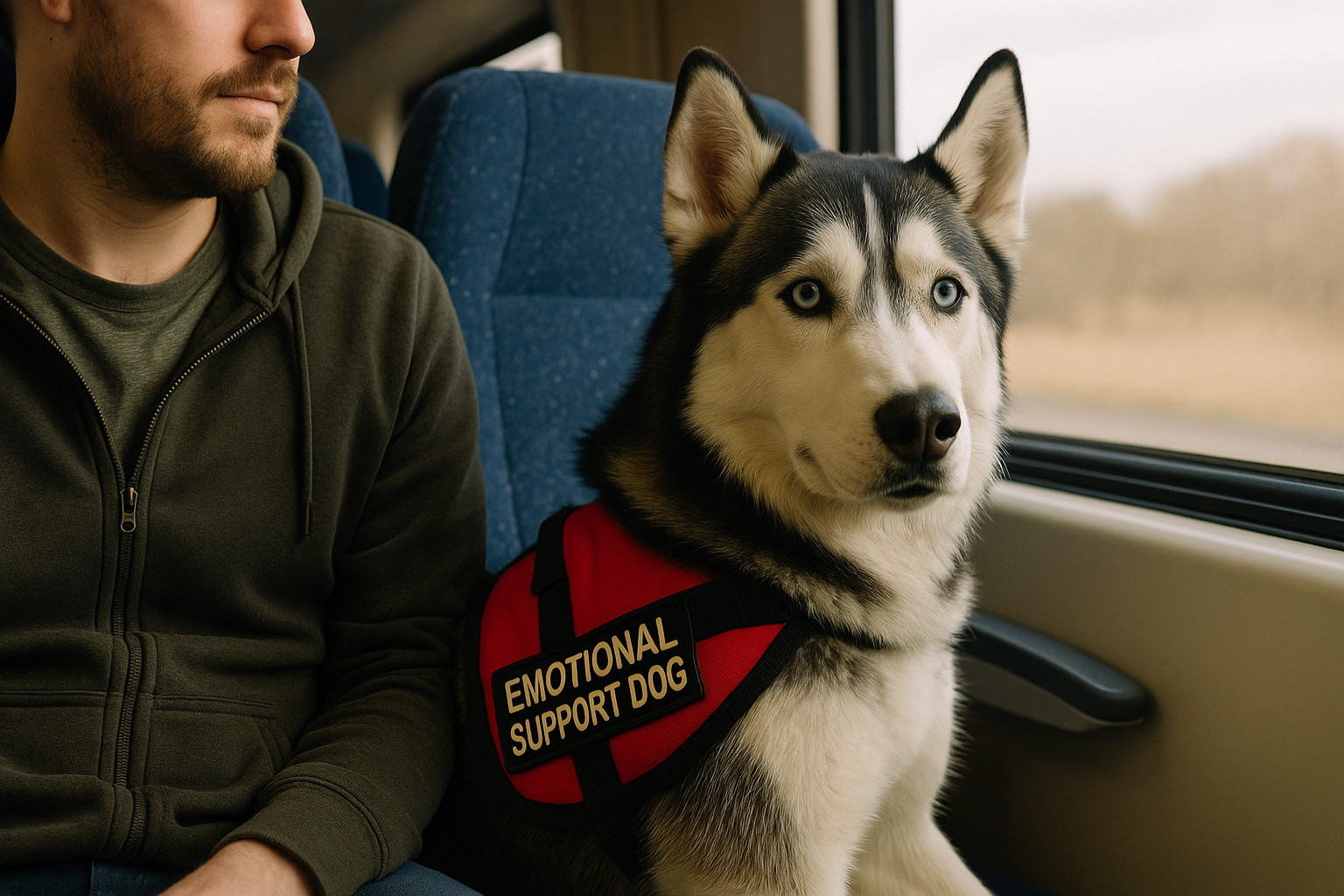
The Siberian Husky, with its striking appearance and dynamic temperament, often captivates the hearts of dog enthusiasts. Renowned for its intelligence and pack-oriented nature, the Siberian Husky might not immediately seem like the quintessential emotional support animal (ESA). However, their profound capacity for forming emotional connections makes them a compelling choice for those seeking companionship and emotional stability. This article explores the suitability of the Siberian Husky as an emotional support dog, examining their temperament, adaptability, and the environments they thrive in.
Understanding the Emotional Support Role
Emotional Support Animals (ESAs) provide comfort, alleviate stress, and enhance the emotional wellbeing of individuals dealing with anxiety, depression, or other psychological conditions. Unlike service dogs, ESAs do not require specialized training but are expected to exhibit a calming presence and an ability to bond deeply with their humans. Understanding the unique capabilities of the Siberian Husky in this role involves examining their inherent traits and behavior patterns.
Siberian Husky Overview
Originating from the cold, harsh climates of Siberia, Huskies were bred by the Chukchi people for sled-pulling and companionship. Physically, they are medium-sized dogs with a thick double coat, erect triangular ears, and captivating blue or multicolored eyes. Their high energy levels and resilience are coupled with a friendly disposition, traits that can serve well in an emotional support capacity. Their pack mentality also means they tend to thrive on human interaction, making them attentive companions.
Temperament and Emotional Connection
Siberian Huskies are known for their friendly and gentle nature. They possess an innate ability to form strong emotional connections, characterized by:
- Empathy and Sensitivity: Huskies are intuitive and can often sense subtle shifts in human emotions, providing comfort when they sense anxiety or distress.
- Engagement and Alertness: Their alert nature means they are constantly aware of their surroundings and the emotional state of their human companions.
- Playfulness and Joy: Their playful demeanor can help reduce feelings of loneliness and bring joy to their owners.
Adaptability and Daily Behavior
Though energetic, Siberian Huskies can adapt to different living situations if they receive adequate mental and physical stimulation. They enjoy:
- Active Lifestyles: Ideal for individuals who can engage in regular physical activities like walking or jogging, helping reduce stress and anxiety.
- Routine: Huskies thrive on routine, which is beneficial for those who find structure comforting in their daily lives.
- Social Environments: Their sociable nature makes them suitable for family settings where they can interact with multiple people.
Situations Where Siberian Husky Provides Strong Support
The Siberian Husky excels in environments where their energy and companionship are beneficial:
- Homes with Active Lifestyles: Huskies can provide motivation and companionship for outdoor activities, promoting physical health and emotional wellness.
- Family Settings: Their gentle nature and ability to bond with multiple family members make them excellent companions in larger households.
- Loneliness and Outdoor Enthusiasts: Ideal for individuals who enjoy nature and outdoor adventures, providing both support and companionship.
Ideal Living Environments
While Huskies are versatile, they offer the most comfort in environments like:
Register Any Breed
- Suburban or Rural Homes: They enjoy spacious areas where they can roam safely, providing a sense of freedom and happiness.
- Homes with Fenced Yards: Secure outdoor spaces allow them to expend energy, contributing to their overall wellbeing.
- Cooling Environments: Given their thick coat, cooler climates are ideal, helping them remain comfortable and less stressed.
Bonds with Different Types of People
Siberian Huskies form deep bonds with:
- Children and Families: Their gentle and social nature makes them great with children, providing families with affection and companionship.
- Active Adults: They bond well with energetic individuals who can match their need for physical activity and adventure.
- Seniors in Active Communities: While not ideal for all seniors, in active retirement communities, they can encourage physical activity and social engagement.
Health, Care, and Wellbeing
To ensure a Siberian Husky can fulfill an emotional support role effectively, understanding their health, care, and grooming needs is essential:
Common Health Considerations
Siberian Huskies are generally healthy but prone to:
- Hip Dysplasia: Regular veterinary check-ups are vital to manage any potential orthopedic issues.
- Eye Conditions: Regular eye exams help catch issues like cataracts early on, ensuring their quality of life.
Grooming, Comfort, and Maintenance Needs
Maintaining a Siberian Husky requires:
- Regular Grooming: Their thick double coat needs frequent brushing, especially during shedding season, to keep them comfortable.
- Mental Stimulation: Puzzles and interactive toys help keep their intelligent minds engaged, preventing boredom-related stress.
Preparing a Siberian Husky for Emotional Support Work
Transitioning a Siberian Husky into an emotional support role involves:
Socialization and Responsiveness
From a young age, socialization is key:
- Exposing to Various Environments: Regular exposure to different environments helps build confidence and adaptability.
- Positive Reinforcement Training: Reinforces desired behavior, enhancing their effectiveness as a supportive companion.
Managing Stress and Emotional Cues
Huskies, although independent, require guidance in managing:
- Stress Signals: Owners should learn to identify any stress indicators in their Huskies, reassuring them and maintaining calm.
- Routine: Establishing a consistent routine helps minimize stress, contributing to a healthier emotional environment.
Strengths, Challenges, and Ideal Homes for Siberian Husky
Owning a Husky as an emotional support animal offers unique benefits:
- Strengths: High energy, empathetic nature, and ability to form deep bonds provide substantial emotional support.
- Challenges: High exercise needs and grooming requirements necessitate committed ownership.
- Ideal Homes: Best suited to families and active individuals able to meet their physical and emotional needs.
Final Thoughts
While Siberian Huskies may not fit the conventional mold of an emotional support animal due to their energetic nature and grooming needs, their ability to form strong emotional connections and adapt to active lifestyles positions them as unique and valuable companions for the right owners.
Key Takeaways for the Siberian Husky as an Emotional Support Dog
- Best suited for: Active individuals, families with children, and those seeking a loyal, playful companion.
- Not ideal for: Inactive individuals or those unwilling to meet high energy and grooming needs.
- Emotional traits: Empathetic, social, playful, and intuitive, ideal for reducing stress and loneliness.
- Care and health notes: Regular exercise, grooming, and mental stimulation required for optimal health and happiness.
- Environments where they provide the most comfort: Suburban homes with yards, family environments, active communities.
By understanding the unique attributes of the Siberian Husky, potential ESA owners can make informed decisions, ensuring both human and canine thrive in their shared environment.


-
Public Access Kits
$149.00 Learn more This product has multiple variants. The options may be chosen on the product page -
Quick Ship Premium Vests
$48.00 – $82.00 Learn more This product has multiple variants. The options may be chosen on the product page -
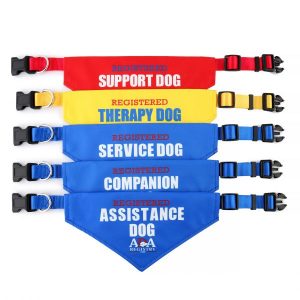
Service Dog Bandana
$39.95 Learn more This product has multiple variants. The options may be chosen on the product page
Custom ID Cards

Custom ID Cards
Custom Service Dog Tags
Official Dog Vests

Smart Vests
Official Public Access Kits
Complete Kits
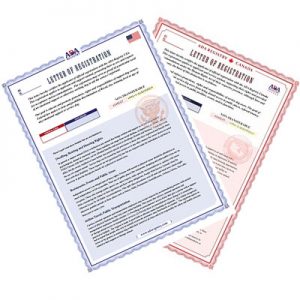
USA & CANADA Letters
High Quality Bandanas
Service Dog Tags
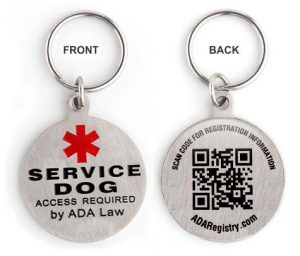
Smart Tags

ESA TAGS