Tibetan Mastiff as an Emotional Support Dog
Register Any Breed
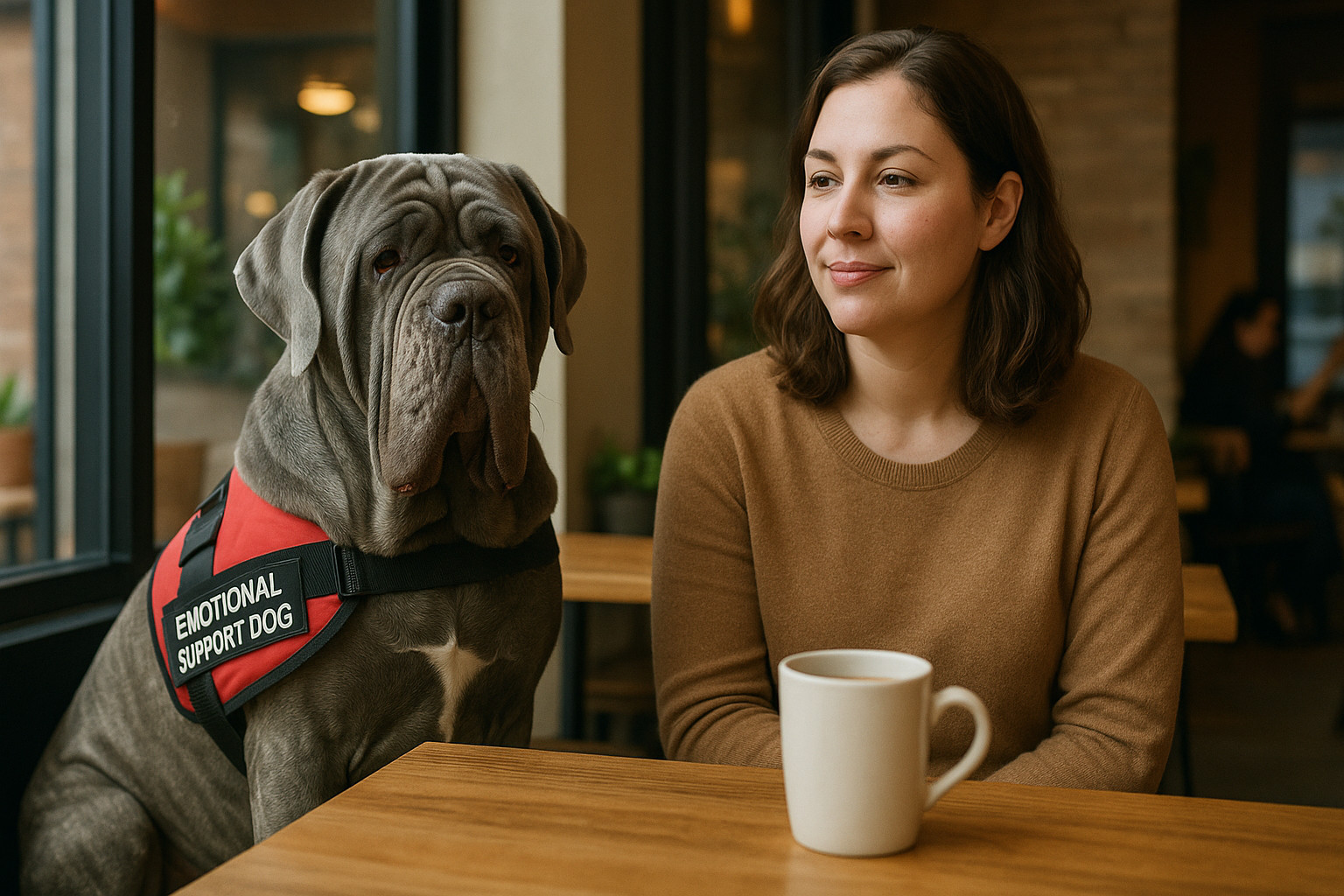
Tibetan Mastiffs, known for their majestic appearance and loyal nature, have been capturing the hearts of dog enthusiasts worldwide. Beyond their visual appeal, this breed offers considerable potential as emotional support animals, providing companionship and stability for those in need.
Understanding the Emotional Support Role
Emotional support animals (ESAs) are crucial for individuals experiencing emotional or psychological difficulties. Unlike service dogs, ESAs do not require specialized training to perform tasks for the disabled. Their primary role is to offer companionship, reduce anxiety, and promote well-being.
Tibetan Mastiff Overview
Tibetan Mastiffs are an ancient breed originating from the Himalayan Mountains. Historically, they served as guardian dogs, protecting livestock from predators with their fearless demeanor. These dogs are large, with an impressive physical presence that exudes confidence and strength.
- Size: Typically weighing between 70-150 pounds
- Lifespan: 10-14 years
- Appearance: Dense, double coat with rich colors
Their history as protectors translates into a natural ability to form strong emotional bonds and display unwavering loyalty, critical attributes in emotional support roles.
Temperament and Emotional Connection
The temperament of a Tibetan Mastiff is both a product of its heritage and a key factor in its suitability as an emotional support dog. Known for their calm and watchful nature, these dogs are often described as aloof with strangers but incredibly affectionate with their family.
- Loyalty: A deep devotion to their humans, fostering a sense of security
- Empathy: Able to detect emotional shifts and provide comfort
- Calmness: Their serene disposition helps alleviate anxiety in stressful situations
The Tibetan Mastiff’s ability to read human emotions allows them to respond to needs non-verbally, making them excellent companions for those needing emotional support.
Adaptability and Daily Behavior
Although they are large dogs, Tibetan Mastiffs can adapt well to various living conditions due to their moderate energy levels and adaptable nature.
Register Any Breed
- Independence: Can tolerate being alone for shorter periods, reducing separation anxiety for owners
- Patience: Gentle and calm around children, creating a peaceful household atmosphere
- Energy needs: Moderate exercise requirements make them compatible with many lifestyles
Their adaptable demeanor contributes greatly to their effectiveness as emotional support animals, ensuring they can fit into various environments smoothly.
Situations Where Tibetan Mastiff Provides Strong Support
Tibetan Mastiffs excel in environments where they can form a close bond with their owner. Their support is particularly beneficial in:
- Family Homes: Providing a stabilizing presence amidst the chaos of family life
- Rural Settings: Enjoying large spaces while offering companionship and security
- Assisted Living: Offering comforting and protective companionship to seniors
Their calming nature helps reduce feelings of loneliness, creating a comforting presence for those needing emotional reassurance.
Ideal Living Environments
Although adaptable, Tibetan Mastiffs thrive best in specific settings that cater to their size and temperament.
- Spacious Homes: Benefit from space to move and a quiet environment
- Secure Yards: A fenced area ensures safety owing to their natural guardianship instincts
- Calm Households: Prefer environments without too much chaos or noise
While they can adapt to apartments with appropriate exercise, larger homes with secure outdoor space are ideal.
Bonds with Different Types of People
Tibetan Mastiffs have a unique ability to form profound connections with a diverse array of people, making them versatile emotional support dogs.
- Adults: Offer companionship and a sense of safety
- Children: Their gentle nature and protective instincts make them excellent family dogs
- Elderly: Provide stability and emotional comfort, essential in senior living environments
Their capacity to bond deeply ensures they can provide emotional support across various age groups and situations.
Health, Care, and Wellbeing
For Tibetan Mastiffs to thrive as emotional support animals, their health and wellbeing are paramount. Proper care ensures they remain effective companions.
Common Health Considerations
Tibetan Mastiffs are generally healthy, but like all breeds, they are prone to specific health issues.
- Hip Dysplasia: Regular check-ups and a nutritious diet can help manage risks
- Hypothyroidism: Require monitoring and possible medication
- Ear Infections: Regular cleaning and grooming prevent complications
Awareness and proactive healthcare allow them to stay active and provide consistent emotional support.
Grooming, Comfort, and Maintenance Needs
Grooming is a critical part of maintaining a Tibetan Mastiff’s health and comfort, contributing to their ability to serve as an emotional support dog.
- Coat Maintenance: Regular brushing reduces shedding and keeps their coat healthy
- Bathing: Occasional baths keep them clean without stripping natural oils
- Comfort Needs: Balanced diet and proper exercise prevent obesity and promote well-being
Attentive grooming ensures they remain comfortable, further enhancing their ability to provide emotional comfort.
Preparing a Tibetan Mastiff for Emotional Support Work
Preparation is key in shaping a Tibetan Mastiff into an effective emotional support dog. This includes:
Socialization and Responsiveness
Early socialization is crucial to a Tibetan Mastiff’s development, ensuring they are comfortable and well-adjusted.
- Exposure: Introduce to various environments, sounds, and people
- Training: Positive reinforcement helps develop responsiveness and obedience
Proper socialization contributes to a well-rounded temperament, enhancing their emotional support capabilities.
Managing Stress and Emotional Cues
To be effective as emotional support animals, Tibetan Mastiffs must manage stress and interpret emotional cues accurately.
- Training: Focus on stress management techniques and calming exercises
- Observation: Understanding behaviors indicative of anxiety or discomfort
These skills enhance their natural empathy, making them reliable sources of comfort.
Strengths, Challenges, and Ideal Homes for Tibetan Mastiff
In evaluating whether a Tibetan Mastiff is the right fit as an emotional support animal, it’s essential to consider their strengths and potential challenges.
- Strengths: Loyal, calm, and perceptive
- Challenges: Require consistent training and can be independent
- Ideal Homes: Best suited for families or individuals who appreciate their protective nature
Harnessing their strengths while acknowledging challenges can lead to a successful partnership.
Final Thoughts
The Tibetan Mastiff’s combination of loyalty, empathy, and calmness makes them an excellent choice for an emotional support animal. While they are not for everyone due to their size and grooming needs, those who invest the time and care in training will find a profoundly rewarding companion.
Key Takeaways for the Tibetan Mastiff as an Emotional Support Dog
- Best suited for: Families, individuals seeking loyal companionship, rural or suburban settings
- Not ideal for: Small apartments, homes without secure outdoor space, overly chaotic environments
- Emotional traits: Loyal, empathetic, calm, and protective
- Care and health notes: Moderate grooming needs, regular exercise, monitoring for common health issues like hip dysplasia
- Environments where they provide the most comfort: Family homes, rural settings, assisted living environments


-
Public Access Kits
$149.00 Learn more This product has multiple variants. The options may be chosen on the product page -
Quick Ship Premium Vests
$48.00 – $82.00 Learn more This product has multiple variants. The options may be chosen on the product page -
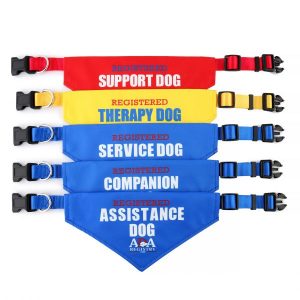
Service Dog Bandana
$39.95 Learn more This product has multiple variants. The options may be chosen on the product page
Custom ID Cards

Custom ID Cards
Custom Service Dog Tags
Official Dog Vests
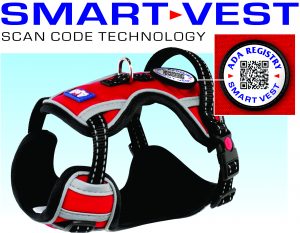
Smart Vests
Official Public Access Kits
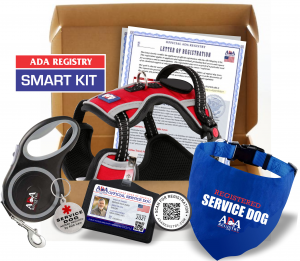
Complete Kits
USA & CANADA Letters
High Quality Bandanas
Service Dog Tags
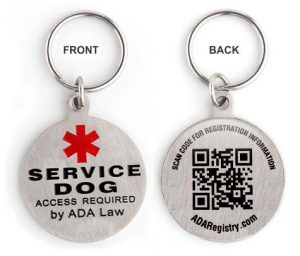
Smart Tags

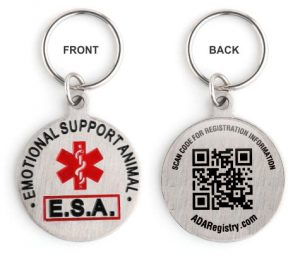
ESA TAGS