Vizsla as an Emotional Support Dog
Register Any Breed
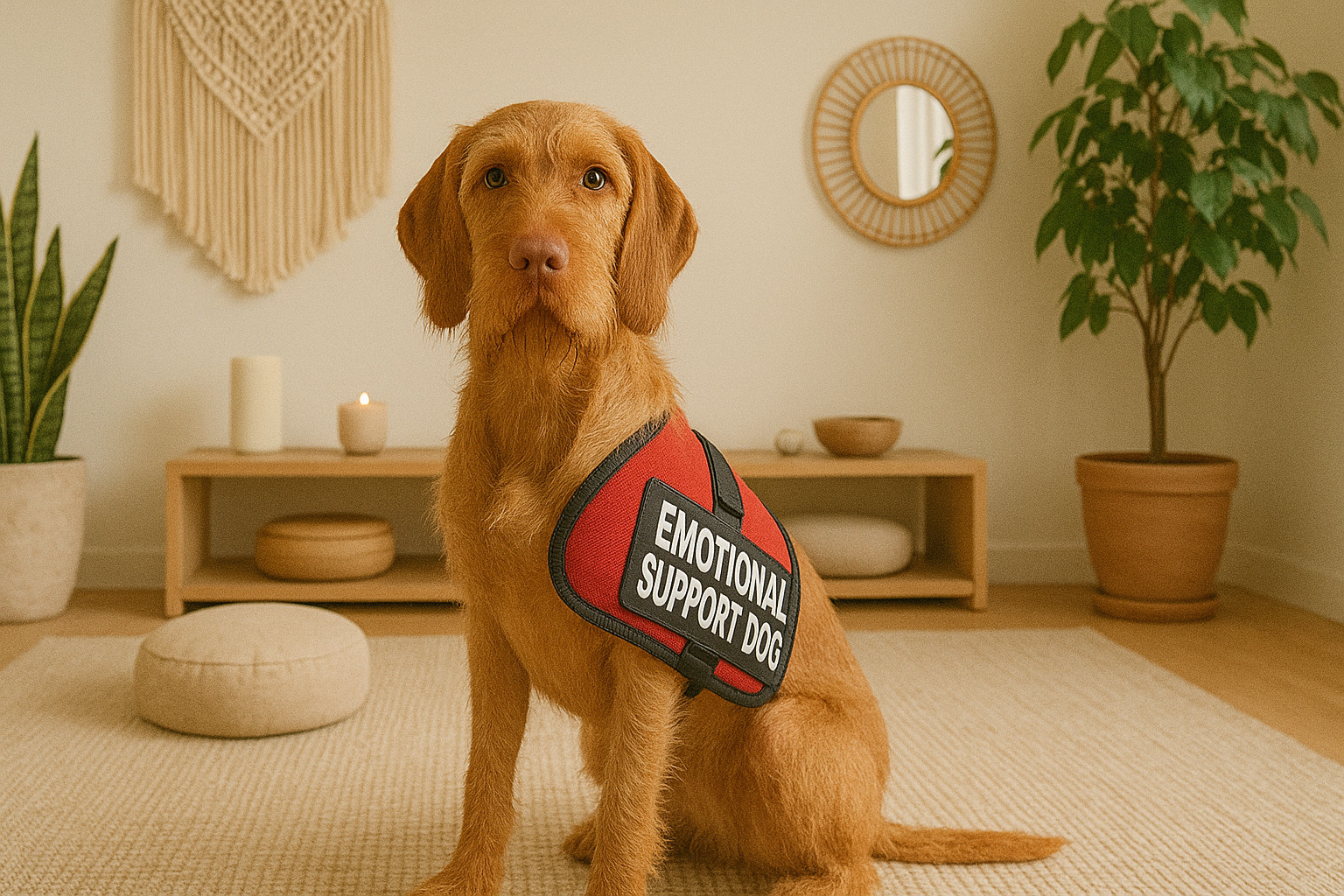
The Vizsla, with its deep, soulful eyes and affectionate nature, is often sought after as an emotional support dog. This article delves into the myriad aspects that make the Vizsla a remarkable companion for those in need of emotional stability. Learn about their temperament, adaptability, and how they can seamlessly fit into diverse environments and lifestyles. By understanding these key attributes, prospective owners will be better equipped to decide if the Vizsla is truly the right emotional support dog for them.
Understanding the Emotional Support Role
Emotional support dogs are a lifeline for individuals grappling with emotional or psychological challenges. Unlike service dogs, whose tasks include guiding the visually impaired or detecting seizures, emotional support dogs primarily offer comfort and tranquility. The Vizsla excels in this role due to its innate ability to connect emotionally with humans, providing companionship and alleviating feelings of anxiety or loneliness.
Vizsla Overview
The Vizsla, often referred to as a "Velcro dog," is deeply connected to its owner, both physically and emotionally. Originally bred for hunting in Hungary, these medium-sized dogs have a lean, muscular build and a striking golden-rust coat. Their historical role as companions in hunting expeditions molded them into creatures that thrive on human interaction, making them excellent emotional support animals.
- Size and build: Medium-sized, typically weighing between 45-65 pounds.
- Lifespan: About 12-15 years.
- Origin: Hungary, originally bred as a hunting companion.
Temperament and Emotional Connection
Vizslas are renowned for their affectionate nature and keen ability to pick up on human emotions. They possess a unique sensitivity, often mirroring their owner’s feelings and providing comfort through presence and touch.
- Empathy: An inherent ability to gauge emotions and adapt behavior accordingly.
- Attachment: Deep bonds are quickly formed, often described as being "underfoot" because of their constant need for closeness.
- Affectionate behavior: Acts such as leaning, snuggling, and constant engagement serve to reassure those they support.
Adaptability and Daily Behavior
The Vizsla’s zest for life and vigorous energy levels make them adaptable to varied routines. They thrive on routine activities that ensure ample physical and mental stimulation, which in turn keeps their human companions engaged and focused.
- Exercise needs: Moderate to high; requires daily walks, runs, or play sessions.
- Mental stimulation: Engaging games and toys that challenge their intelligence are essential.
- Routine: Consistent daily schedules boost their confidence and stability.
Situations Where Vizsla Provides Strong Support
Vizslas shine in environments where they can offer continuous emotional presence and engagement. Their energetic and playful nature can transform lonely or stagnant spaces into lively and comforting havens.
- Anxiety relief: Their playful demeanor is a beautiful distraction from anxious thoughts.
- Companionship for depression: Constant presence combats feelings of isolation and loneliness.
- Support during transitions: Ideal for helping individuals through significant life changes.
Ideal Living Environments
While Vizslas are adaptable, they require settings that accommodate their high energy and need for companionship. They flourish in active households that can keep pace with their demands.
Register Any Breed
- Suitable environments: Homes with fenced yards for outdoor play.
- Urban settings: Apartments are viable if sufficient daily exercise is provided.
- Family homes: Enjoy being part of family activities and routines.
Bonds with Different Types of People
Vizslas exhibit a versatile empathy that allows them to connect well with various individuals, from children to the elderly. Their emotional intelligence makes them keenly effective in adjusting interactions based on the individual’s needs.
- Children: Gentle and patient with young kids; enjoy being part of energetic play.
- Seniors: Offer gentler companionship, adapting energy levels for more relaxed interactions.
- Individuals with emotional needs: Provide consistent emotional read and responsive companionship.
Health, Care, and Wellbeing
Maintaining the health of a Vizsla is pivotal to their ability to serve as effective emotional support companions. A healthy Vizsla is a happy one, capable of providing unwavering support.
Common Health Considerations
Vizslas are generally a healthy breed but can be prone to certain conditions that need attention.
- Hip dysplasia: Regular vet check-ups and maintaining a healthy weight are crucial.
- Ear infections: Due to their floppy ears; require regular cleaning and monitoring.
- Allergies: May suffer from skin allergies; a balanced diet and grooming help mitigate issues.
Grooming, Comfort, and Maintenance Needs
While Vizslas require regular grooming to keep them comfortable and clean, their short coat makes them relatively low-maintenance compared to other breeds.
- Grooming: Regular brushing and occasional baths keep the coat healthy.
- Nail care: Consistent nail trimming is important for comfort and mobility.
- Comfort needs: Provide cozy bedding and regular opportunities for safe outdoor exploration.
Preparing a Vizsla for Emotional Support Work
Training and preparing a Vizsla to fulfill an emotional support role involves fostering their natural empathy while ensuring they are well-socialized.
Socialization and Responsiveness
Exposing a Vizsla to various environments, people, and animals will nurture their adaptability and ease of handling confidence in different situations.
- Socialization timeframe: Start from a young age and continue through adulthood.
- Responsive training methods: Positive reinforcement to encourage attentive behavior.
Managing Stress and Emotional Cues
An effective emotional support Vizsla needs to manage stress and interpret emotional cues accurately, responding adequately to the owner’s emotional states.
- Training in recognizing cues: Foster their innate ability with specific commands and responses.
- Routine and stability: Ensure a calm environment is maintained as much as possible.
Strengths, Challenges, and Ideal Homes for Vizsla
While the Vizsla has many qualities that make it an exceptional emotional support dog, potential challenges include handling their energy and ensuring adequate stimulation.
- Strengths: Deep empathy, energetic play, unwavering companionship.
- Challenges: Managing high energy levels, potential separation anxiety.
- Ideal homes: Active individuals or families who have the time and resources to offer companionship and regular exercise.
Final Thoughts
Vizslas stand as graceful, empathetic companions whose bond can provide profound emotional growth and stability. Their vibrant personality and dedication make them an excellent choice for individuals seeking comfort and companionship.
Key Takeaways for the Vizsla as an Emotional Support Dog
- Best suited for: Active individuals or families, those needing constant companionship.
- Not ideal for: Owners unable to provide consistent exercise and companionship.
- Emotional traits: Highly empathetic, affectionate, attuned to human emotions.
- Care and health notes: Regular exercise, balanced diet, grooming, and routine vet care are essential.
- Environments where they provide the most comfort: Homes with active lifestyles and ample space; adaptable to urban living with appropriate adjustments.


-
Public Access Kits
$149.00 Learn more This product has multiple variants. The options may be chosen on the product page -
Quick Ship Premium Vests
$48.00 – $82.00 Learn more This product has multiple variants. The options may be chosen on the product page -
Service Dog Bandana
$39.95 Learn more This product has multiple variants. The options may be chosen on the product page
Custom ID Cards
Custom ID Cards
Custom Service Dog Tags
Official Dog Vests

Smart Vests
Official Public Access Kits
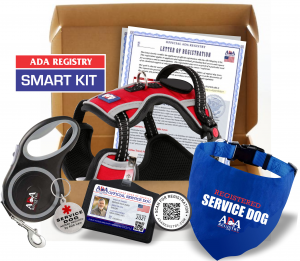
Complete Kits
USA & CANADA Letters
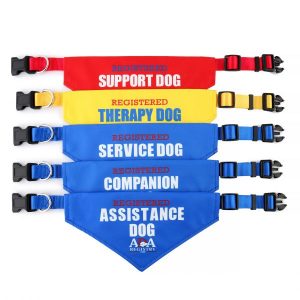
High Quality Bandanas
Service Dog Tags
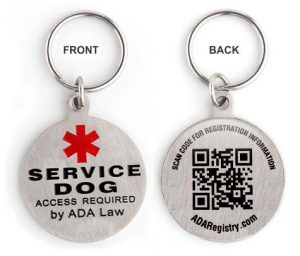
Smart Tags

ESA TAGS