West Highland White Terrier as an Emotional Support Dog
Register Any Breed
Understanding the Emotional Support Role
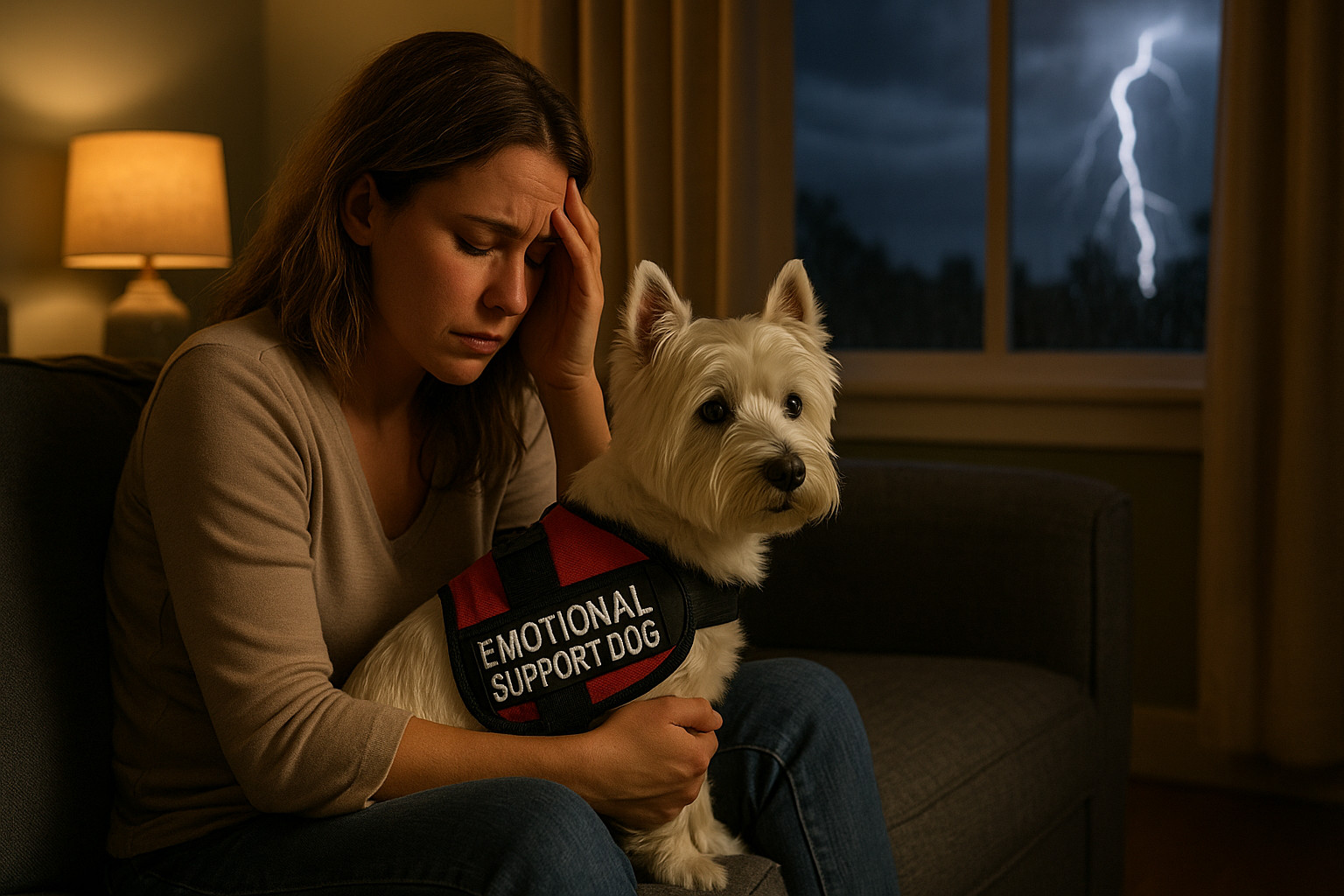
Emotional support animals (ESAs) play a crucial role in providing comfort and companionship to individuals experiencing mental health challenges such as anxiety, depression, or PTSD. Unlike service dogs, which require rigorous training to perform specific tasks, ESAs offer emotional comfort simply through their presence. The West Highland White Terrier, affectionately known as the “Westie,” is a breed that stands out as a potential ESA due to its vibrant personality and compassionate nature. This article delves into the various aspects of the Westie’s suitability as an emotional support dog, exploring their temperament, adaptability, care needs, and their profound ability to connect with humans on an emotional level.
West Highland White Terrier Overview
The West Highland White Terrier, with its charming appearance and lively demeanor, has been a beloved companion for many households. These small, robust dogs were initially bred in Scotland for hunting small game, which contributes to their tenacious and spirited nature. Despite their hunting origins, Westies are known for their adaptability and friendliness, making them well-suited for emotional support roles. Typically weighing between 15-20 pounds and standing about 10-11 inches tall, their manageable size and rugged build allow them to comfortably fit into various living settings.
Temperament and Emotional Connection
Westies are known for their buoyant temperaments, characterized by curiosity, confidence, and a playful spirit. These traits make them outstanding companions, especially in emotional support roles where their exuberance can bring joy and relief to someone’s day. They exhibit a remarkable understanding of human emotions, displaying empathy and affection. This emotional connection is particularly vital for individuals needing reassurance and comfort, as Westies are naturally inclined to provide warmth and attention.
- Empathy and Sensitivity: Westies tend to read human emotions well, responding to their owner’s mood with appropriate affection and playfulness.
- Reducing Anxiety and Stress: Their high energy levels and playfulness can serve as a significant distraction from negative thoughts, leading to reduced stress and anxiety over time.
- Affectionate Nature: They thrive on human interaction, often seeking closeness and initiating contact, which helps individuals feel less isolated.
Adaptability and Daily Behavior
The adaptability of West Highland White Terriers is another reason they make excellent emotional support dogs. Their adaptable nature allows them to fit seamlessly into diverse environments, whether in a cozy apartment or a large, bustling family home. Westies are active dogs that enjoy engaging in daily activities with their owners. Consistent routines, including walks, playtime, and interaction, can contribute to the well-being of both the dog and the owner.
- Energy Levels: Despite their small size, Westies have relatively high energy and require regular exercise to maintain their physical and mental health.
- Adaptability to Lifestyles: They adjust well to various living conditions, enduring both urban and suburban settings.
- Engaging and Interactive: Westies thrive in environments where they have opportunities to play and befriended by family members.
Situations Where West Highland White Terrier Provides Strong Support
West Highlands excel in contexts where emotional support is required. Their spirited nature can uplift and motivate individuals who suffer from low moods or depression. Their keen perception and sensitivities mean they can often detect when their owner is feeling down and need companionship or distraction. They are particularly supportive in urban settings, where people might struggle with isolation despite living among many others.
- Loneliness in Urban Settings: Westies provide companionship that can fill the emotional void felt in bustling urban areas.
- Calming Influence in Stressful Situations: Their playful yet soothing demeanor offers comfort during stress-inducing situations at home or work.
- Support During Transitions: Westies can offer stability and emotional comfort when individuals undergo life changes or transitions.
Ideal Living Environments
Although adaptable, some environments allow Westies to thrive better as emotional support animals. Settings that offer adequate opportunities for engagement and attention are ideal. Westies are well-suited for both families and individuals and can comfortably reside in various forms of housing, provided they receive adequate exercise and interaction.
- Apartment Living: Due to their small size, Westies can comfortably live in apartments, provided there is access to outdoor spaces for exercise.
- Family Homes: Their social nature makes them great companions for families, where they can engage with multiple people to form deep bonds.
- Assisted Living Facilities: Their size and temperament make them suitable for comforting older adults who might need companionship.
Bonds with Different Types of People
Westies have a natural ability to develop strong bonds with people from all walks of life. Their charming personality and easy-going nature make them ideal companions for individuals seeking emotional support.
Register Any Breed
- Children: They are playful and enjoy the energetic company of children, making them patient and engaging playmates.
- Adults with Mental Health Needs: Their instinctive understanding of emotional needs can offer solace to adults dealing with stress and anxiety.
- Elderly Individuals: Westies provide warmth and connection, combating loneliness and enhancing the quality of life for elderly individuals.
Health, Care, and Wellbeing
Maintaining the health and well-being of a Westie is essential to their ability to provide emotional support effectively. While generally healthy, Westies are prone to certain genetic issues and require regular veterinary care to identify and manage any potential health concerns.
Common Health Considerations
Although robust, West Highland White Terriers may develop certain health issues such as skin allergies, hip dysplasia, and patellar luxation. Regular check-ups help in timely identification and treatment of these conditions, ensuring the dog’s comfort and ability to provide support.
- Skin Allergies: Common among Westies and require management through diet and medications.
- Regular Vet Visits: Regular health check-ups are crucial to maintain the dog’s wellness and functionality as an ESA.
- Joint Health: Attention to any signs of joint discomfort ensures their continued physical activity levels.
Grooming, Comfort, and Maintenance Needs
Grooming is essential to the comfort and health of Westies. Their distinctive white coat requires regular grooming to prevent matting and to maintain their characteristic look. Routine grooming complements their role as ESAs by ensuring they’re clean and comfortable.
- Regular Grooming: To keep their coat clean and healthy, regular baths and grooming are necessary.
- Coat Maintenance: Regular brushing prevents matting and keeps their coat in optimal condition.
- Nail Care and Dental Hygiene: Regular trimming of nails and dental care is important to prevent discomfort and ensure overall health.
Preparing a West Highland White Terrier for Emotional Support Work
Preparation plays a significant role in ensuring a Westie’s success as an emotional support dog. This preparation involves comprehensive socialization, training, and building responsiveness to ensure they are well-equipped to provide comfort and support.
Socialization and Responsiveness
Early socialization is critical for Westies to interact positively with different environments and people, ensuring they respond well to various emotional needs.
- Early Socialization: Exposure to diverse environments, people, and experiences at a young age.
- Training for Responsiveness: Teaching basic commands and cues to enhance communication and responsiveness.
Managing Stress and Emotional Cues
Understanding and managing stress is crucial for Westies to remain effective as emotional support animals. Westies need environments that match their energy and temperament to avoid undue stress.
- Stress Management: Recognizing signs of stress and ensuring a calm and supportive environment is crucial.
- Emotional Cues: Teaching Westies to recognize and respond to emotional cues through positive reinforcement.
Strengths, Challenges, and Ideal Homes for West Highland White Terrier
While Westies have many strengths as emotional support dogs, they also present certain challenges that potential owners should consider when evaluating breed suitability.
- Strengths:
- Affectionate and lively demeanor that uplifts spirits.
- Strong interpersonal connections and read emotions well.
- Adaptable to different living environments and family dynamics.
- Challenges:
- May require consistent grooming and maintenance.
- Prone to certain health issues that need attention.
- High energy levels can be overwhelming for low-activity households.
Final Thoughts
The West Highland White Terrier’s cheerful personality, adaptability, and empathetic nature make it an excellent choice for an emotional support animal. They seamlessly blend into various lifestyles and environments, forming deep bonds with individuals of all ages. However, potential owners must consider the grooming and health care Westies require and be committed to providing the necessary attention and exercise. Ultimately, Westies offer unwavering companionship and emotional stability, improving the quality of life for those they support.
Key Takeaways for the West Highland White Terrier as an Emotional Support Dog
- Best suited for: Families, individuals, and elderly persons in diverse living environments.
- Not ideal for: Low-activity households or those unable to meet grooming needs.
- Emotional traits: Empathetic, affectionate, and lively.
- Care and health notes: Regular vet visits, grooming, and exercise are essential.
- Environments where they provide the most comfort: Apartments, family homes, assisted living facilities where interaction and exercise are plentiful.
This informative guide serves to highlight the significant traits and considerations necessary to leverage the full capabilities of a West Highland White Terrier as an emotional support dog, ensuring both the dog’s and the owner’s well-being and happiness.


-
Public Access Kits
$149.00 Learn more This product has multiple variants. The options may be chosen on the product page -
Quick Ship Premium Vests
$48.00 – $82.00 Learn more This product has multiple variants. The options may be chosen on the product page -
Service Dog Bandana
$39.95 Learn more This product has multiple variants. The options may be chosen on the product page
Custom ID Cards

Custom ID Cards
Custom Service Dog Tags
Official Dog Vests

Smart Vests
Official Public Access Kits
Complete Kits
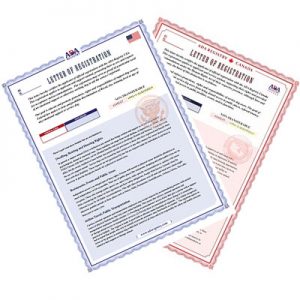
USA & CANADA Letters
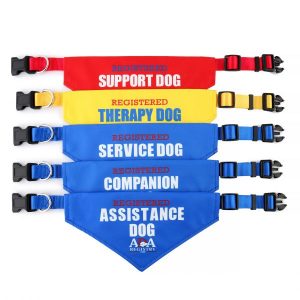
High Quality Bandanas
Service Dog Tags
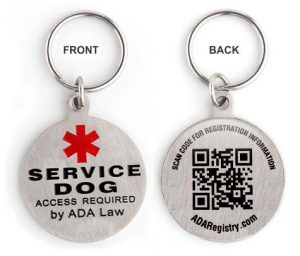
Smart Tags

ESA TAGS