Service Dog: Physical Assistance Dog
Not Registered Yet?,,
What Is a Physical Assistance Dog?
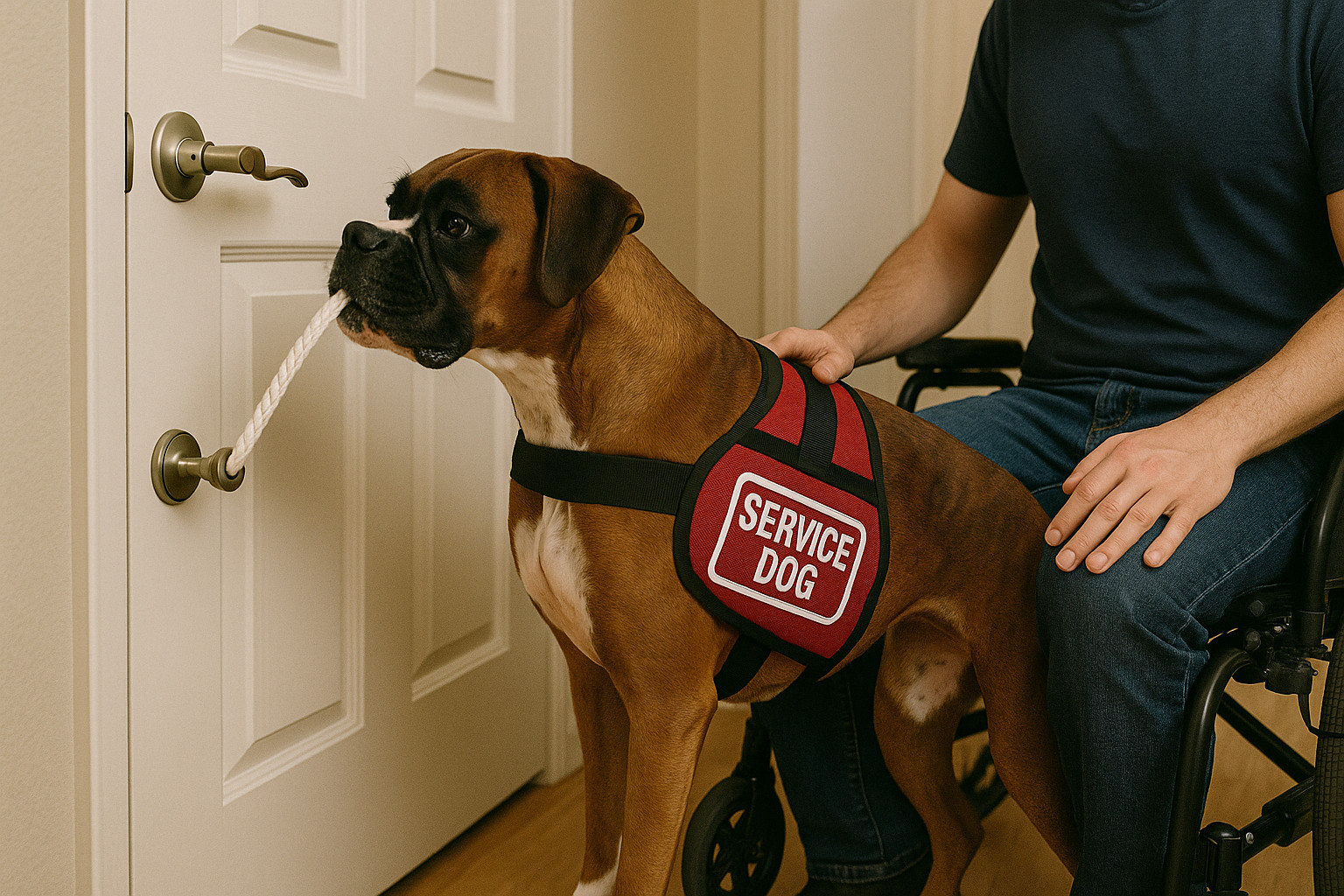
A physical assistance dog is a trained service animal that supports individuals with mobility impairments. These dogs help people who may use wheelchairs, walkers, or other mobility devices, and they perform tasks that make daily life safer and more manageable.
Their training allows them to help with stability, movement, and physical support in a variety of environments.
Tasks a Physical Assistance Dog Can Perform
These service dogs are trained to assist with many everyday tasks, including:
- Providing balance and stability while walking
- Pulling a wheelchair when needed
- Picking up dropped items
- Carrying small objects
- Opening and closing doors
- Turning light switches on and off
- Helping with transfers or positioning
Because each handler’s needs are unique, training is tailored to support specific mobility challenges.
The presence of a physical assistance dog often has a major positive impact on independence and quality of life.
Who Uses a Physical Assistance Dog?
Handlers are individuals with mobility-related disabilities, which may include:
- Wheelchair users
- People with limited balance or muscle strength
- Individuals living with chronic illness or neurological conditions
- People who experience fatigue or instability when walking
A physical assistance dog helps bridge the gap between what the handler can do independently and what they can accomplish with additional support.
Not Registered Yet?,,
Gear and Equipment for Physical Assistance Dogs
These dogs often wear specialized gear designed to help them perform their tasks safely. Common equipment includes:
- A supportive vest
- A mobility harness
- A cane-style handle for balance support
The handle allows the handler to steady themselves while the dog walks alongside them, providing real-time balance assistance. This gear is designed to support mobility without causing discomfort to the dog.
How Physical Assistance Dogs Improve Daily Life
Beyond task work, these service dogs offer benefits such as:
- Increased independence
- Greater confidence navigating public spaces
- Support during balance loss or fatigue
- Reduced reliance on caregivers
- Emotional reassurance and companionship
The combination of physical support and emotional grounding makes these dogs invaluable partners in everyday life.
Training and Temperament Requirements
To safely assist with mobility, a physical assistance dog must have:
- Excellent obedience skills
- A calm, steady temperament
- The strength and structure to support stability tasks
- Consistency in unpredictable environments
Training is detailed and often requires months of reinforcement to ensure the dog can reliably perform tasks that affect the handler’s safety.
Conclusion
A physical assistance dog provides essential support to people with mobility disabilities by performing tasks that make daily activities more accessible and safe. From offering stability to opening doors and retrieving items, these dogs enhance independence and quality of life. With the right equipment and training, they serve as trusted partners who help their handlers move through the world with greater confidence and freedom.


-
Public Access Kits
$149.00 Learn more This product has multiple variants. The options may be chosen on the product page -
Quick Ship Premium Vests
$48.00 – $82.00 Learn more This product has multiple variants. The options may be chosen on the product page -
Service Dog Bandana
$39.95 Learn more This product has multiple variants. The options may be chosen on the product page
Custom ID Cards

Custom ID Cards
Custom Service Dog Tags
Official Dog Vests
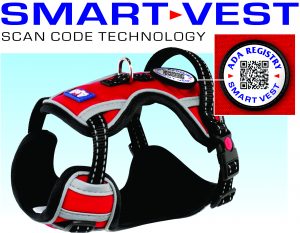
Smart Vests
Official Public Access Kits
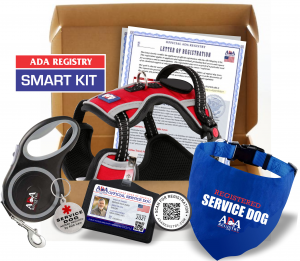
Complete Kits
USA & CANADA Letters
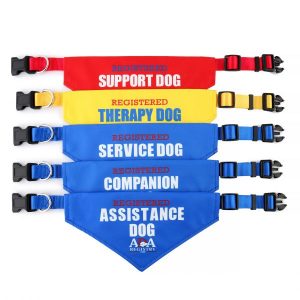
High Quality Bandanas
Service Dog Tags
Smart Tags
ESA TAGS