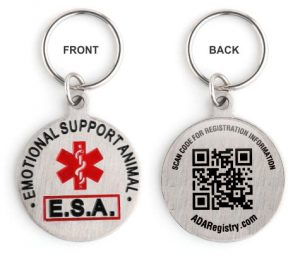
Emotional Support Dog Information
Any size or breed of dog can be an emotional support or service dog, emotional support dogs do not have to be professionally-trained to perform any task. Service dogs can be trained by their owners or in any other manner the owner desires.
Emotional support dogs are dogs that provide comfort and support in forms of affection and companionship for an individual suffering from various mental and emotional conditions.
An emotional support dog is not required to perform any specific tasks for a disability like service dogs are. They are meant solely for emotional stability and unconditional love. They can assist with conditions such as anxiety, depression, bipolar disorder/mood disorder, panic attacks, fear/phobias, and other psychological and emotional conditions.
Register Your Dog
The Fair Housing Act Has Not Been Replaced by the ADA
It is important to understand that the May 22, 2026 memorandum is an HUD enforcement policy. It did not itself amend the Fair Housing Act or rewrite federal statute.
HUD has indicated that it intends to pursue additional rulemaking concerning assistance animals and the relationship between the Fair Housing Act and the ADA.
Because federal housing law and enforcement policy can change, individuals should consider their specific circumstances and obtain qualified legal advice when necessary.
What You Should Know
If you are considering an emotional support animal for housing purposes:
- Make sure your request is based on a genuine disability-related need.
- Understand the difference between an emotional support animal and a trained service animal.
- Keep appropriate documentation concerning your disability-related need.
- Do not misrepresent an ESA as a service animal.
- Do not use an ESA registration, ID card, certificate, vest, or other product as proof that an animal is a legally recognized service animal.
- Understand that an online registration or certificate does not create disability rights under federal law.
- Because HUD’s enforcement policy changed in 2026, review the current federal and applicable state or local requirements before relying on an ESA accommodation.
Most Common Reasons Listed For Emotional Support Dog Needs.
Stress Related, Adjustment Disorders, Generalized anxiety disorder, Social anxiety disorder, Phobias, Panic disorder, Post-traumatic stress disorder, Separation anxiety, Dissociative Disorders, Factitious Disorders. Eating Disorders, Impulse-Control Disorders, Mental Disorders, Neurocognitive Disorders, Mood Disorders, Neurodevelopmental Disorders, Personality Disorders, Psychotic Disorders, Sexual and Gender Identity Disorders, Sleep Disorders, Somatoform Disorders, Substance Related Disorders, Suicidal Thoughts.
People with service animals must be allowed access to all public accommodations.
This right takes precedence over all state and local laws which might otherwise prohibit animals in those places such as Stores, Malls, Restaurants, Hotels/Resorts, Airlines, Cruises, Taxi cabs, Buses just to name a few.
Not Registered Yet?

Spinone Italiano as an Emotional Support Dog
The Spinone Italiano is a distinctive and charming breed that makes a remarkable choice for an emotional support dog. Known…



Staffordshire Bull Terrier as an Emotional Support Dog
Staffordshire Bull Terrier, affectionately known as “Staffies,” are increasingly recognized for their role as emotional support dogs. Their affectionate nature…



Standard Schnauzer as an Emotional Support Dog
The world of emotional support animals is a diverse one, with different breeds offering unique benefits to their human companions.…


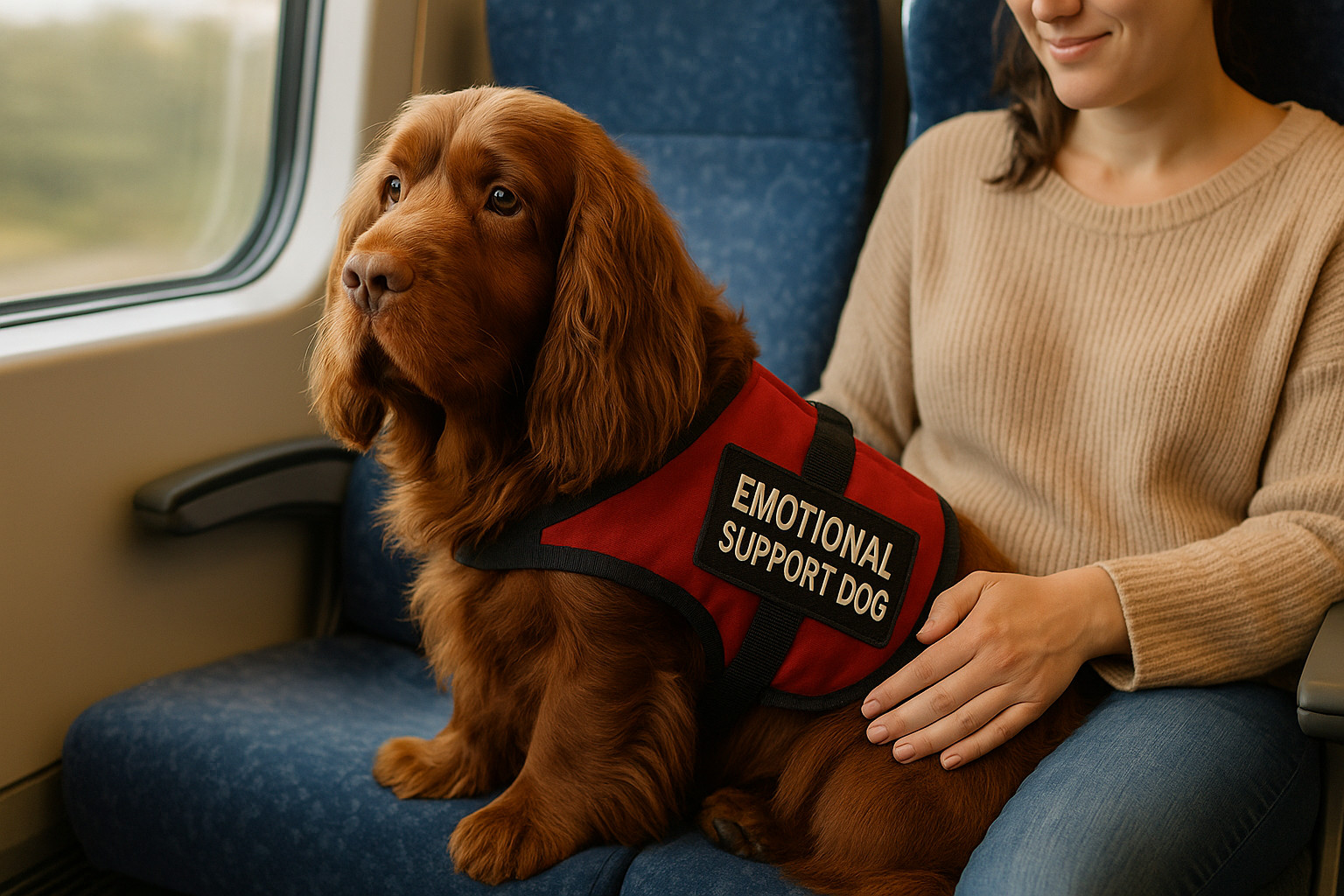
Sussex Spaniel as an Emotional Support Dog
Understanding the Emotional Support Role Emotional Support Animals (ESAs) play a crucial role in offering comfort, companionship, and mental health…


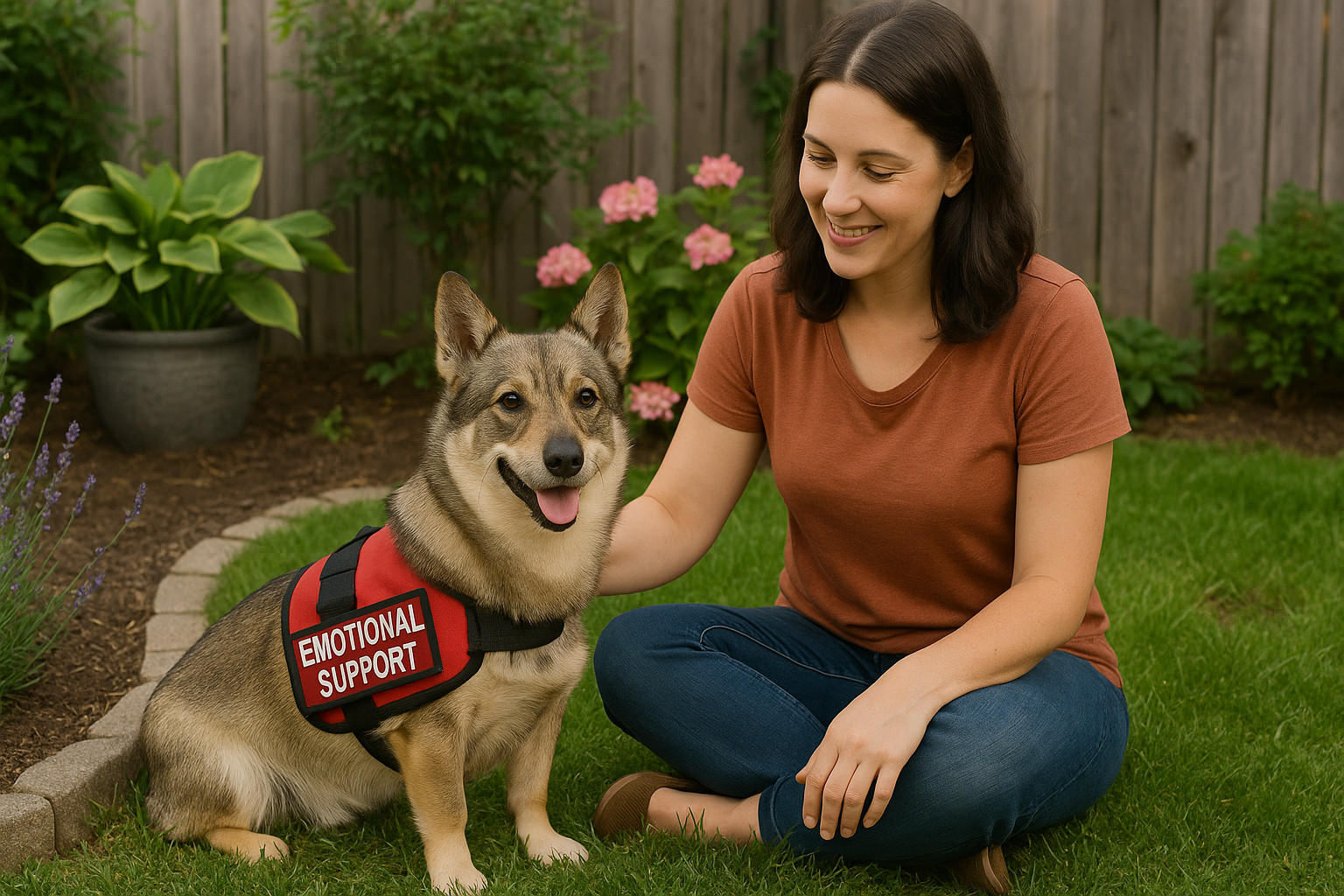
Swedish Vallhund as an Emotional Support Dog
The Swedish Vallhund is a lesser-known dog breed with a rich Nordic history and a charming disposition that’s proving to…



Tibetan Mastiff as an Emotional Support Dog
Tibetan Mastiffs, known for their majestic appearance and loyal nature, have been capturing the hearts of dog enthusiasts worldwide. Beyond…



Tibetan Spaniel as an Emotional Support Dog
The Tibetan Spaniel, known for its affectionate nature and intuitive connections with humans, is an exemplary candidate as an emotional…



Tibetan Terrier as an Emotional Support Dog
Understanding the Emotional Support Role The role of an emotional support animal (ESA) is to provide companionship, relieve loneliness, and…



Toy Fox Terrier as an Emotional Support Dog
Providing comfort, companionship, and affection, the Toy Fox Terrier is gaining recognition as an effective emotional support dog due to…


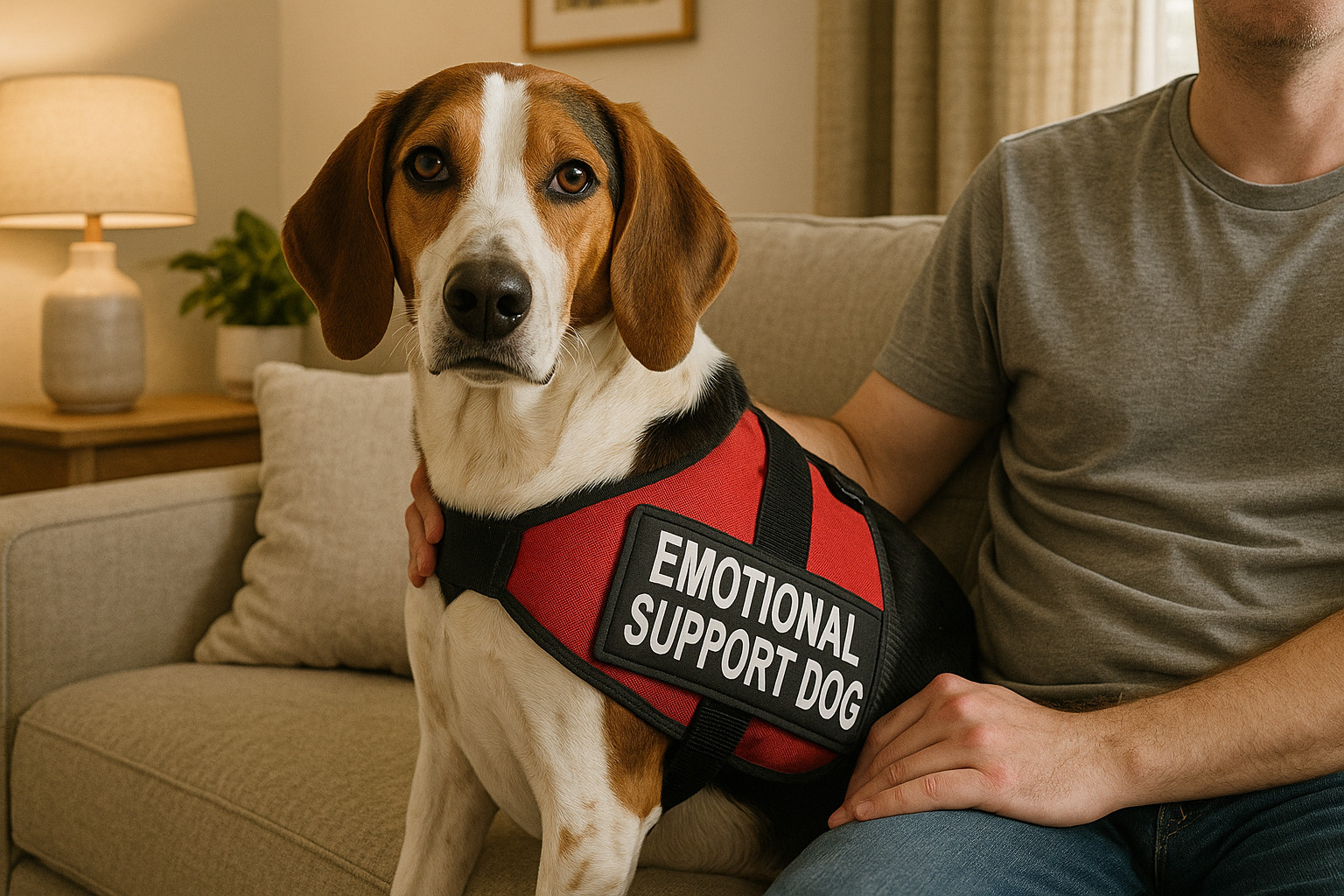
Treeing Walker Coonhound as an Emotional Support Dog
Understanding the Emotional Support Role Emotional support animals (ESAs) play a vital role in providing comfort and companionship to individuals…



Vizsla as an Emotional Support Dog
The Vizsla, with its deep, soulful eyes and affectionate nature, is often sought after as an emotional support dog. This…


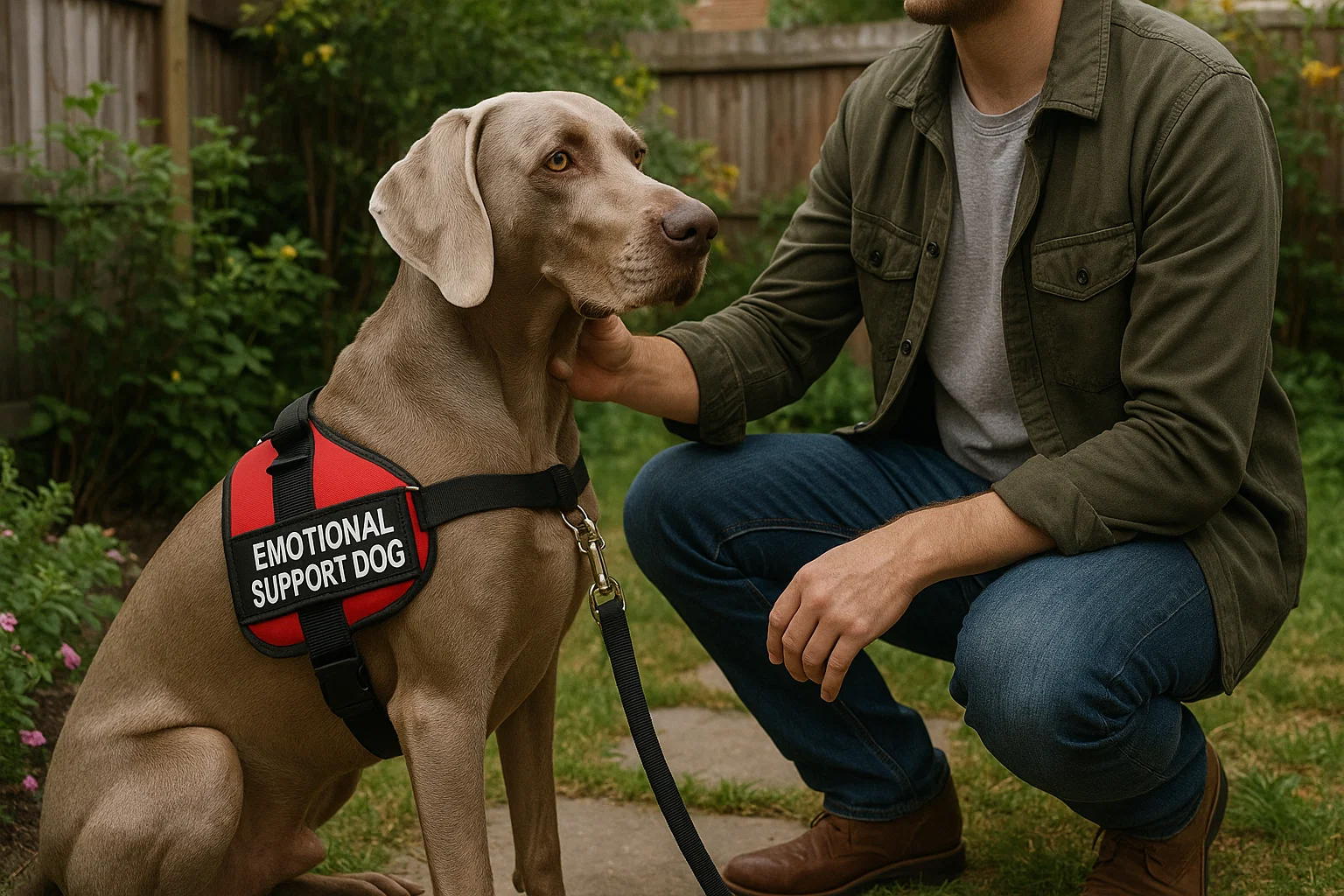
Weimaraner as an Emotional Support Dog
The Weimaraner, often recognized for its sleek, silver-grey coat and aristocratic appearance, is not just a pretty face. This breed…


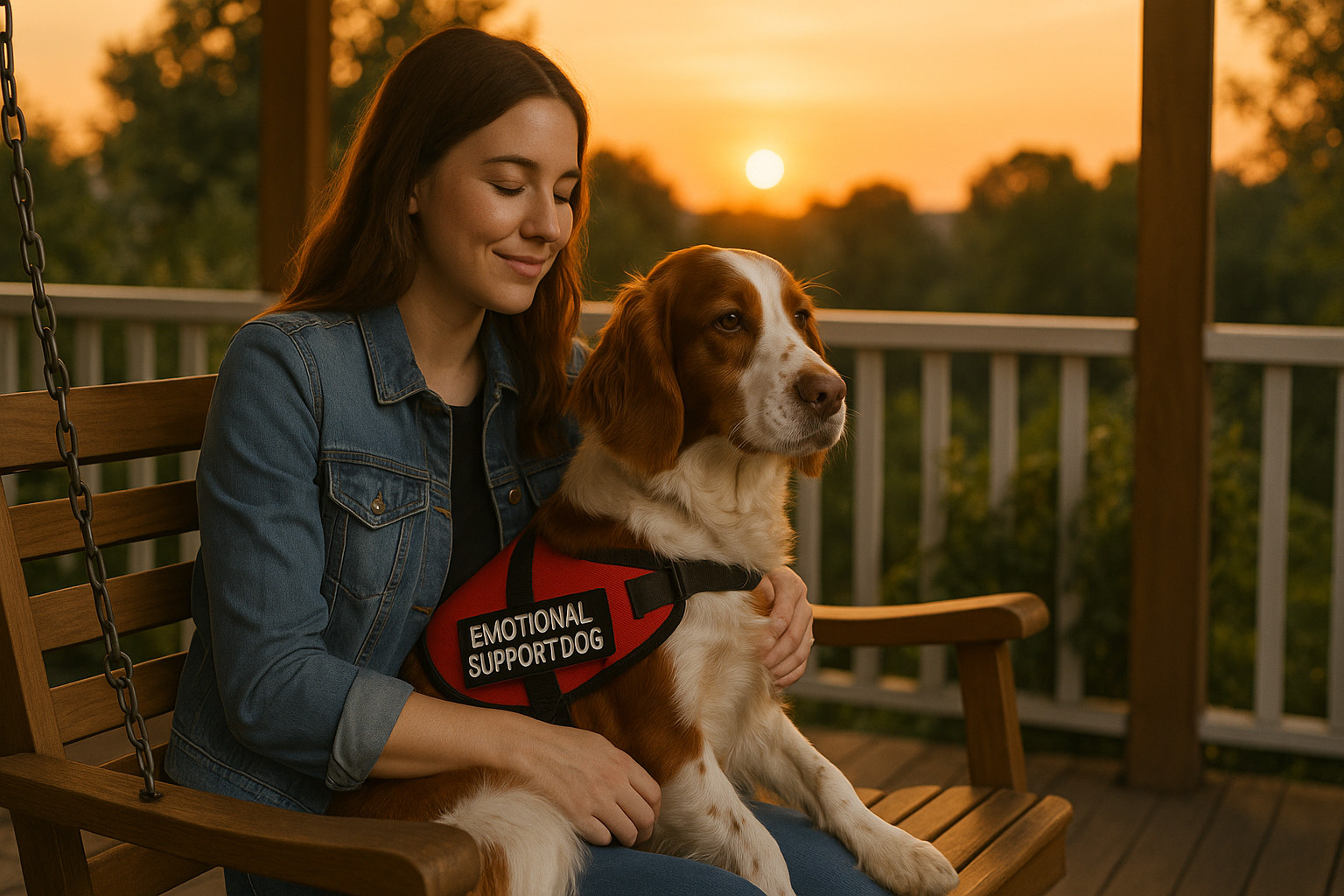
Welsh Springer Spaniel as an Emotional Support Dog
The bond between humans and dogs is unique, evolving over centuries as dogs have served various roles from working companions…



Welsh Terrier as an Emotional Support Dog
Welsh Terriers are charming, energetic, and intelligent dogs that can make excellent emotional support animals. Their unique personality traits, combined…



West Highland White Terrier as an Emotional Support Dog
Understanding the Emotional Support Role Emotional support animals (ESAs) play a crucial role in providing comfort and companionship to individuals…


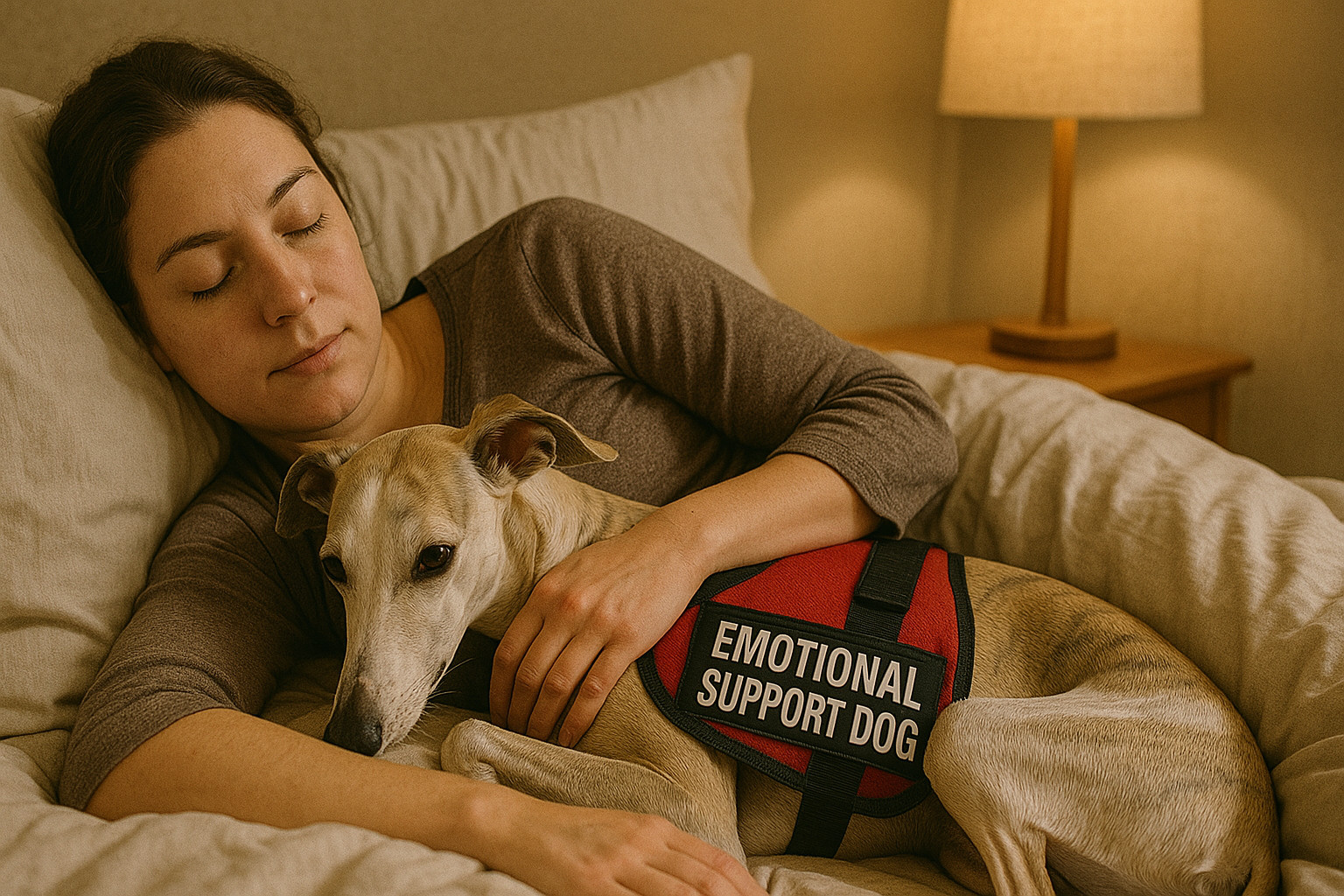
Whippet as an Emotional Support Dog
Understanding the Emotional Support Role In recent years, the significant role of emotional support animals (ESAs) in alleviating mental health…


Wire Fox Terrier as an Emotional Support Dog
Understanding the Emotional Support Role Emotional support animals (ESAs) play a vital role in providing comfort and companionship to individuals…



Wirehaired Pointing Griffon as an Emotional Support Dog
The Wirehaired Pointing Griffon, often adored for its versatility and distinct appearance, holds great potential as an emotional support companion.…



Wirehaired Vizsla as an Emotional Support Dog
Wirehaired Vizslas are a unique breed known for their lively spirit, affectionate nature, and intelligence. As an emotional support animal…



Xoloitzcuintli as an Emotional Support Dog
Emotional support animals (ESAs) play a significant role in the mental wellness journey of many individuals, providing companionship, comfort, and…


Identifying emotional support dogs for the public
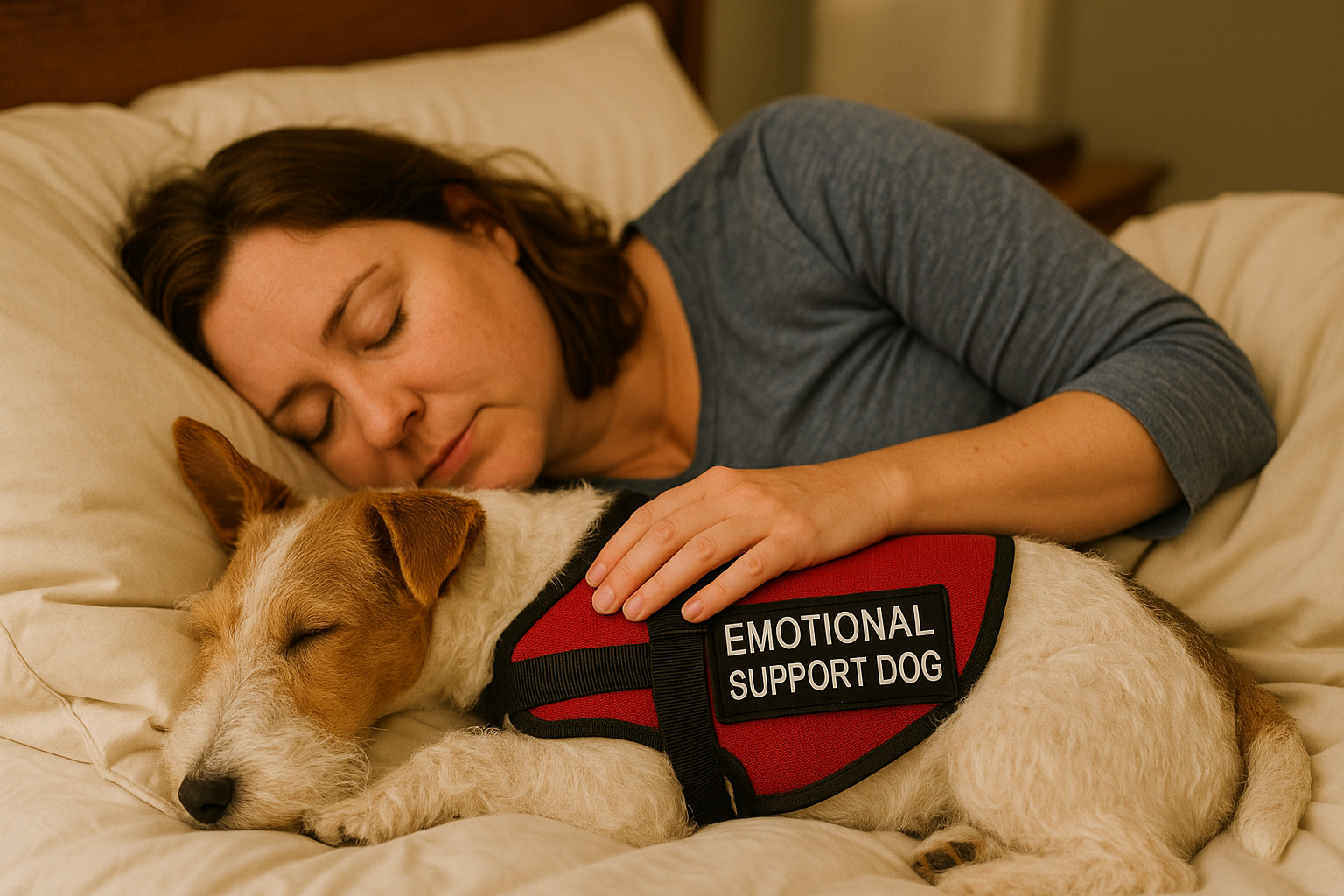
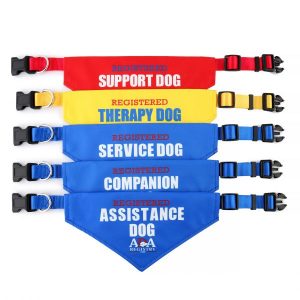
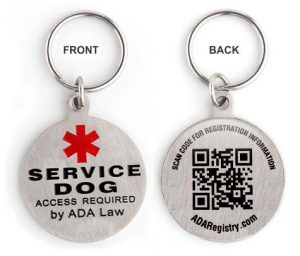
Emotional support dogs are often identified by wearing an emotional support dog vest or tag, letting the public know that it is an emotional support dog; otherwise, their handlers will find themselves having to explain that their dog is an emotional support dog. Some businesses, such as airlines, prefer to see an identification card or vest that indicates that the dog is an emotional support dog.
List of Disabilities
An emotional support dog can assist with various kinds of mental and emotional conditions.
Here is a list of some mental and emotional conditions individuals may have that may be helped by having an emotional support dog:
- Anxiety
- Depression
- Bipolar disorder
- Mood disorder
- Fear/phobias
- Post-Traumatic Stress Disorder
- Suicidal Thoughts/Tendencies
- Adjustment Disorders
- Generalized anxiety disorder
- Social anxiety disorder
- Panic disorder
- Post-traumatic stress disorder
- Separation anxiety
- Dissociative Disorders
- Factitious Disorders
- Eating Disorders
- Impulse-Control Disorders
- Mental Disorders Due to a General Medical Condition
- Neurocognitive Disorders
- Mood Disorders
- Neurodevelopmental Disorders
- Personality Disorders
- Psychotic Disorders
- Sexual and Gender Identity Disorders
- Sleep Disorders
- Somatoform Disorders
- Stress
- Substance Related Disorders
Studies have shown real health benefits for those living with pets, including
- lower cholesterol
- lower blood pressure
- lower triglyceride
- reduced stress levels
- reduced feelings of loneliness
- better mental health
- increased activity
- more opportunities for exercise
- more time spent outdoors (for dog owners especially)
- more opportunities for socialization
Do you have a Disability?
The National Institute of Mental Health shows that more than 1 in 4 adults in the United States have some form of mental disorder. If you are suffering from an emotional or psychological condition then you are entitled to an emotional support dog. Consult with your physician for more information.
Living With Your Emotional Support Dog
The Fair Housing Amendments Act (FHAA) gives individuals the right to live with their emotional support dog regardless of any building or residences with a no-pet policy. Building managers or landlords may not refuse your emotional support dog with the proper documentation.
Flying With Your Emotional Support Dog
Traveling by Air With an Emotional Support Dog
Important Airline Travel Update
Airline rules for emotional support animals have changed.
Under the current U.S. Department of Transportation (DOT) rules implementing the Air Carrier Access Act (ACAA), emotional support animals are no longer considered service animals for purposes of air travel.
The ACAA’s current service-animal definition generally covers dogs that are individually trained to do work or perform tasks for the benefit of a qualified person with a disability. This includes psychiatric service dogs that are trained to perform disability-related tasks.
An emotional support dog that provides comfort or emotional support but has not been individually trained to perform disability-related work or tasks is generally treated as a pet rather than a service animal for airline purposes.
What This Means for Travelers
If your dog is an emotional support animal rather than a trained service dog:
- The airline is generally not required by federal law to transport the dog as a service animal.
- An ESA letter does not automatically give your dog service-animal status for air travel.
- Airlines may have their own policies regarding pets traveling in the cabin.
- Pet fees, carrier requirements, size restrictions, and other airline rules may apply.
- You should check the airline’s current pet policy before traveling.
If Your Dog Is a Psychiatric Service Dog
A psychiatric service dog may qualify as a service animal under the ACAA when the dog has been individually trained to perform work or tasks directly related to a person’s disability.
Airlines may require passengers traveling with service dogs to complete U.S. DOT service-animal forms concerning the dog’s health, behavior, and training. For flights of 8 hours or longer, an additional form concerning the dog’s ability to relieve itself appropriately may be required.
A service dog must also behave appropriately in public. Airlines may deny transportation when a service dog presents a direct threat, causes a significant disruption, violates applicable safety requirements, or otherwise fails to meet the applicable requirements.
Always Check With Your Airline
Airline policies can change, and individual airlines may have additional requirements for pets traveling in the cabin.
Before your trip, check your airline’s current rules and requirements and determine whether your dog will be traveling as a pet or qualifies as a trained service animal under the ACAA.
Not Registered Yet?
Landlords cannot:
- Charge pet rent or pet deposits for Emotional Support Animals when the animal qualifies as an assistance animal as a reasonable accommodation under the Fair Housing Act.
- Require an Emotional Support Animal to have any specific training
- Inquire about the extent of the disability, or ask for detailed medical records for the individual requesting the service or emotional support animal
-
 Federal Law Prohibits Discrimination Of Breed,Size,Training Level Or Age Of Any Emotional Support Or Service Dog.
Emotional support dogs do not have to be trained to perform any specific task. Service dogs can be trained by their owners or in any other manner the owner desires to assist them with their disability.
People With Service Animals Must Be Allowed Access To All Public Accommodations. This right takes precedence over all state and local laws which might otherwise prohibit animals in those places such as Stores, Malls, Restaurants, Hotels/Resorts, Airlines,Cruises, Taxi cabs, Buses just to name a few.
The Americans with Disabilities Act, also known as the ADA, clearly states that proof of “certification” cannot be required by any facility or business for legal access if you meet the requirements for a person with a legal disability, and your dog meets the requirements of a service animal. We understand this is impossible to enforce the law. Be sure to have a proper id card to avoid the public conflicts.
While many business owners and establishments are ignorant of this law, ID Badges will have all of the necessary information should they require further explanation regarding your rights when accompanied by your Service Dog. Many over the years have reported that upon showing of a badge the inquiry about the dog ended.
Traveling with your Service Dog Customized Service Dog ID Badges can help make traveling on commercial airlines much, much easier. The Department of Transportation, also known as D.O.T., Service Animal Guidance for airlines states the following:
Carriers shall accept as evidence that an animal is a service animal identifiers such as identification cards, other written documentation, presence of harnesses,tags or the credible verbal assurances of a qualified individual with a disability using the animal.
Please note that the Department of Transportation lists identification cards at the top of their list and only verbal assurance is at the bottom. Many owners of service dogs have reported that the airlines have required some sort of identification even though by law they are not allowed to do this. Please understand that you are NOT required by law to carry one of these cards, however, they can dramatically speed up your process of getting through airport security, etc. without arguments or confrontations.
Many landlords and business owners request to see registration paperwork or other identification and even though such paperwork is not required under law, it is often proven easier to provide the requester with a registration document or ID rather than argue the point or attempt to educate the person/landlord. Identification & proper paperwork will without a doubt avoid landlord conflicts about the validity of your service animal.
Most Common Reasons To Register Service Dogs,Emotional Support Dogs and even Therapy Dogs can benefit people with disabilities associated with many diagnoses, including: Arthritis Ataxia (poor balance) Autism Blindness or Impaired Vision Deafness or Impaired Hearing Diabetes Cardio/Pulmonary Disease Cerebral Palsy Physical mobility Issues Multiple Sclerosis (M.S.) Psychiatric Disabilities Seizure Disorders (Epilepsy) Severe Allergy Alert Spina Bifida Spinal Cord/Head Trauma Stroke Anxiety Depression Bipolar disorder Mood disorder Fear/phobias Post-Traumatic Stress Disorder Suicidal Thoughts/Tendencies Adjustment Disorder Generalized anxiety disorder Social anxiety disorder Panic disorder Separation anxiety Dissociative Disorders Factitious Disorders Eating Disorders Impulse-Control Disorders Mental Disorders Due to a General Medical Condition Neurocognitive Disorders Mood Disorders Neurodevelopmental Disorders Personality Disorders Psychotic Disorders Sexual and Gender Identity Disorders Sleep Disorders Somatoform Disorders Substance Related Disorders This is just a partial list of disabilities that qualify under ADA.
Not Registered Yet?
-
Public Access Kits
$149.00 Learn more This product has multiple variants. The options may be chosen on the product page -
Quick Ship Premium Vests
$48.00 – $82.00 Learn more This product has multiple variants. The options may be chosen on the product page -
ESA Dog Bandana
$39.95 Learn more This product has multiple variants. The options may be chosen on the product page
-

Custom ID Cards

Custom ID Cards
Custom Service Dog Tags
Official Dog Vests

Smart Vests
Official Public Access Kits
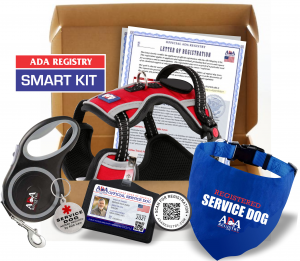
Complete Kits
USA & CANADA Letters
High Quality Bandanas
Service Dog Tags
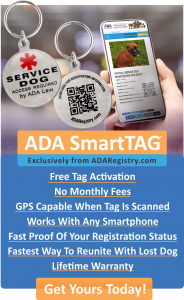
Smart Tags
ESA TAGS