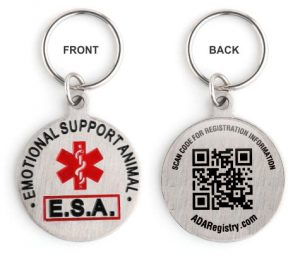
Different Types of Licensed Mental Health Professionals
Mental Health Professionals Who May Provide Evaluation, Treatment or Documentation
Mental health care can be provided by several different types of licensed professionals. Their education, training, scope of practice and ability to diagnose, provide treatment or prescribe medication can vary by profession and by state.
If you are seeking mental health care or documentation related to an emotional support animal or other disability-related accommodation, it is important to work with a qualified professional who is appropriately licensed and whose scope of practice allows them to provide the services or documentation you need.
Psychiatrist
A psychiatrist is a medical doctor (M.D. or D.O.) who specializes in the diagnosis and treatment of mental health conditions.
Psychiatrists can:
- Diagnose mental health conditions
- Evaluate psychiatric symptoms
- Prescribe medications
- Monitor medication treatment
- Provide psychotherapy, depending on their practice
- Coordinate treatment with other healthcare professionals
Psychiatrists often focus on medication management, although many also provide therapy.
Primary care physicians may also diagnose and treat certain mental health conditions and prescribe psychiatric medications, depending on their training and scope of practice.
Psychologist
A psychologist is a mental health professional who typically holds a doctoral degree such as a Ph.D. or Psy.D.
Psychologists receive extensive education and supervised clinical training in areas such as:
- Psychological assessment
- Diagnosis
- Psychotherapy
- Behavioral health
- Psychological testing
- Research and clinical practice
A Psy.D. program generally places a greater emphasis on clinical practice, while a Ph.D. may place greater emphasis on research, although many Ph.D. programs also provide extensive clinical training.
Psychologists generally do not prescribe medication, although a limited number of jurisdictions provide certain prescribing authority to specially trained psychologists.
Licensed Clinical Social Worker (LCSW)
A Licensed Clinical Social Worker (LCSW) is a social worker who has completed advanced education and supervised clinical training and has met the licensing requirements established by the applicable state.
Clinical social workers may provide services such as:
- Psychotherapy
- Mental health assessment
- Counseling
- Diagnosis, where permitted by state law
- Treatment planning
- Crisis intervention
- Behavioral health services
Most LCSWs hold a Master of Social Work (MSW) degree, although specific educational and licensing requirements vary by state.
Psychiatric Nurse Practitioner
A Psychiatric Mental Health Nurse Practitioner (PMHNP) is an advanced practice registered nurse specializing in psychiatric and mental health care.
PMHNPs may provide services including:
- Mental health evaluations
- Diagnosis
- Psychotherapy
- Medication management
- Treatment planning
- Ongoing psychiatric care
Prescribing authority varies according to state law. In many states, qualified psychiatric nurse practitioners have significant prescribing authority, while other states may require varying degrees of physician collaboration or supervision.
Marriage and Family Therapist (LMFT)
A Licensed Marriage and Family Therapist (LMFT) specializes in mental health treatment involving individuals, couples and families.
LMFTs commonly provide:
- Individual therapy
- Couples counseling
- Family therapy
- Mental health assessment
- Treatment for behavioral and emotional concerns
Most LMFTs complete a master’s-level graduate program followed by supervised clinical experience and a licensing examination.
Requirements vary from state to state, so the specific education, supervised experience and scope of practice of an LMFT can differ depending on where the professional is licensed.
Licensed Professional Counselor (LPC)
A Licensed Professional Counselor (LPC) is a licensed mental health professional who typically provides counseling and psychotherapy.
Depending on state requirements and the professional’s specific license, an LPC may provide:
- Individual counseling
- Group counseling
- Psychotherapy
- Mental health assessment
- Diagnosis
- Treatment planning
- Behavioral health services
Most LPCs have a master’s degree in counseling or a related field and complete supervised clinical experience before obtaining licensure.
Licensing titles vary by state. Similar credentials may include Licensed Mental Health Counselor (LMHC), Licensed Clinical Professional Counselor (LCPC) or other state-specific titles.
Which Mental Health Professional Should I See?
The appropriate professional depends on your individual needs.
Medication or Psychiatric Treatment
A psychiatrist or qualified psychiatric nurse practitioner may be appropriate when medication evaluation or psychiatric treatment is needed.
Psychological Testing or Assessment
A psychologist may be appropriate when psychological testing, assessment or specialized evaluation is needed.
Counseling or Psychotherapy
An LCSW, LMFT, LPC or other appropriately licensed mental health professional may provide counseling and psychotherapy.
Documentation Related to an ESA
If you need documentation concerning a disability-related need for an emotional support animal, the appropriate professional depends on your circumstances and the laws and requirements applicable to your situation.
The professional should have an appropriate clinical relationship with you and should only provide documentation that they can professionally support.
Choosing a Qualified Mental Health Professional
When selecting a mental health professional, consider:
- Professional license
- Education and credentials
- Clinical experience
- Area of specialization
- State of licensure
- Services provided
- Whether the professional evaluates and treats your specific needs
- Whether the professional can provide the type of documentation you legitimately require
You can also verify a professional’s license through the appropriate state licensing board.
Mental Health Professionals and ESA Documentation
A healthcare professional may provide documentation concerning an emotional support animal when appropriate based on their professional evaluation and knowledge of the individual.
The documentation should accurately reflect the professional’s clinical opinion and the individual’s circumstances.
If you are seeking an ESA letter, registration or identification, it is helpful to keep your ESA documentation and identification organized together, including your healthcare provider’s documentation, ESA registration information and personalized ESA ID card.
Keep Your ESA Information Together
Your ESA information package can include:
✓ ESA Registration
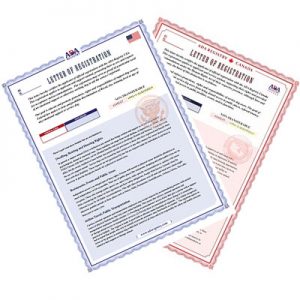
✓ ESA Registration Letter
✓ Personalized ESA ID Card
✓ Digital ESA Profile
✓ QR Code
✓ Healthcare Provider Documentation
✓ Veterinary Records
✓ Vaccination Records
✓ Animal Identification Information
A personalized ESA ID card provides a convenient way to carry your animal’s identification and registration information, while your professional healthcare documentation can be kept with your other important records.
Frequently Asked Questions
What is the difference between a psychiatrist and a psychologist?
A psychiatrist is a medical doctor who can generally prescribe medication. Psychologists typically specialize in psychological assessment and psychotherapy and generally do not prescribe medication.
Can a therapist provide an ESA letter?
Potentially, depending on the professional’s license, scope of practice, state law and the professional’s relationship with the patient. The professional should only provide documentation they are qualified and able to support.
Can an LCSW provide mental health treatment?
Yes. Licensed clinical social workers commonly provide psychotherapy and other mental health services, subject to their state license and scope of practice.
Can a psychiatric nurse practitioner prescribe medication?
In many states, yes. The exact prescribing authority of a PMHNP depends on the laws and regulations of the state where the practitioner is licensed.
What credentials should I look for?
Look for a professional who is appropriately licensed in your state, has relevant clinical experience and provides the type of evaluation or treatment you need.
Should I keep my ESA ID and paperwork together?
Yes. Keeping your ESA identification, registration information, healthcare documentation and veterinary records organized in one place can make it easier to access your information when needed.
Get Your ESA Registration & ID Card
Keep Your ESA Information Organized
Create your personalized ESA information package today.
ESA Registration • Registration Letter • Personalized ESA ID Card • Digital Profile • QR Code
Register Your ESA Today
Custom ID Cards
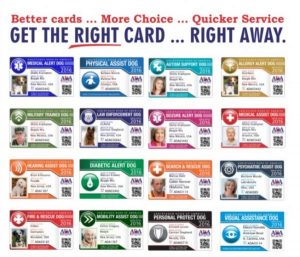
Custom ID Cards
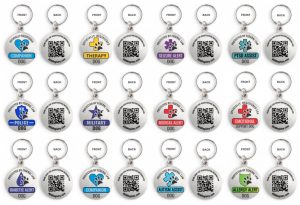
Custom Service Dog Tags
Official Dog Vests

Smart Vests
Official Public Access Kits
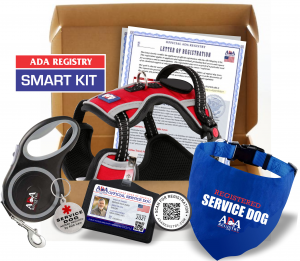
Complete Kits
USA & CANADA Letters
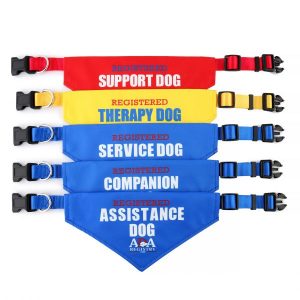
High Quality Bandanas
Service Dog Tags
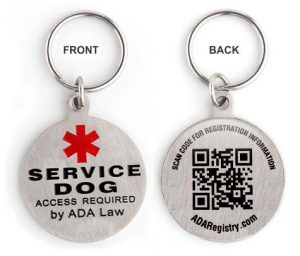
Smart Tags

ESA TAGS