List of Possible Tasks for a Psychiatric Service Animal
Psychiatric Service Dog Tasks
A psychiatric service dog is trained to perform specific tasks that help a person with a psychiatric disability manage or respond to disability-related symptoms.
The tasks performed by a psychiatric service dog are individualized to the handler’s needs. The examples below illustrate the types of trained work or tasks a psychiatric service dog may perform.
Important: A dog does not become a service dog simply because it provides comfort or emotional support. The dog must be individually trained to perform work or tasks that are directly related to the person’s disability.
Guide a Disoriented Handler
A psychiatric service dog may be trained to help a handler who becomes disoriented during a dissociative episode.
Example: A person wanders away from familiar surroundings during a dissociative episode. When the episode ends, she realizes she is lost and remains disoriented. Her dog is trained to backtrack along a familiar route or follow a trained command such as “home” to help guide her toward a familiar location.
Find a Person or Place
A service dog may be trained to locate a specific person, place or exit when the handler becomes overwhelmed or unable to navigate independently.
Example: A person becomes separated from his family in a crowded environment and experiences a panic attack. He gives his dog a trained command to locate his family or guide him toward a designated exit or safe location.
Room or Area Search
A psychiatric service dog may be trained to perform a systematic search of a room or designated area.
Example: A person experiencing severe hypervigilance associated with PTSD believes there may be an intruder in a room. The dog is trained to conduct a search and provide a trained response when the search is complete. This task may help the handler determine whether the area is occupied.
A trained search task may also be useful when entering a hotel room, office or another location where the handler needs assistance responding to a disability-related symptom.
Alert to Important Sounds
A service dog may be trained to alert a handler to sounds that the handler may fail to notice during a psychiatric episode or other disability-related condition.
Examples may include:
- Smoke alarms
- Emergency alarms
- Door alarms
- A person calling the handler
- Other specifically trained sounds
Example: A person becomes heavily sedated or experiences a flashback and does not respond to a smoke alarm. The dog is trained to repeatedly alert the handler until the handler responds and takes appropriate action.
Interrupt and Redirect a Behavior
A psychiatric service dog may be trained to interrupt a repetitive or harmful behavior associated with a disability and redirect the handler toward another trained activity.
Example: A person with OCD repeatedly picks at the skin on her arm without consciously realizing she is doing it. The dog is trained to recognize the behavior and interrupt it by nudging, pawing or presenting a trained object.
The interruption may help the handler recognize the behavior and redirect attention toward a safer activity.
Balance or Mobility Assistance
In some situations, a service dog may be trained to provide physical assistance related to a person’s disability.
Example: A person becomes overwhelmed by severe anxiety and experiences difficulty maintaining balance while recovering from an episode. The dog is trained to remain beside the handler and provide trained physical assistance while the handler moves to a safe location.
Any physical assistance task should be appropriately trained and matched to the handler’s individual needs and the dog’s size, health and capabilities.
Get Help
A psychiatric service dog may be trained to seek assistance when the handler is unable to obtain help independently.
Example: A person experiencing a severe PTSD episode becomes unable to respond to emergency personnel. The service dog is trained to respond to a specific command from emergency responders and lead them to the handler.
This type of task can help emergency personnel locate the handler when the handler cannot communicate effectively.
Retrieve Medication
A service dog may be trained to retrieve medication or another specific item needed because of a disability.
Example: A person experiences a severe disability-related episode and becomes unable to stand or reach medication. The dog is trained to retrieve a designated medication container and bring it to the handler.
Retrieve Emergency Items
In addition to medication, a service dog may be trained to retrieve other items that the handler needs during a disability-related episode.
Examples may include:
- A telephone
- Emergency equipment
- A medical-information pouch
- A water bottle
- A specific personal item
The task should be specifically trained and directly related to the handler’s disability.
Help During a Medical or Psychiatric Emergency
Some service dogs are trained to respond when their handler experiences a serious disability-related episode.
Depending on the individual’s needs, trained responses may include:
- Alerting the handler
- Interrupting a behavior
- Retrieving a designated item
- Getting another person
- Leading the handler to a safe location
- Remaining with the handler until assistance arrives
The dog’s trained response should be appropriate for the individual’s disability and the dog’s capabilities.
Respond to Hallucinations or Other Perceptual Symptoms
A psychiatric service dog may be trained to perform a specific response that helps a handler distinguish between a disability-related perceptual symptom and an actual environmental event.
Example: A person experiences visual hallucinations and sees someone who may not actually be present. The person gives the dog a trained command to approach or investigate the location. If the dog finds no person, the trained response provides the handler with additional information that may help the handler recognize the experience as a symptom and seek appropriate assistance.
Other Possible Psychiatric Service Dog Tasks
Depending on the handler’s individual disability and training needs, psychiatric service dogs may perform other trained tasks, including:
- Interrupting nightmares
- Waking a handler from nightmares
- Providing deep-pressure therapy on command
- Interrupting dissociation
- Interrupting repetitive behaviors
- Alerting to changes associated with a psychiatric episode
- Guiding a handler away from a stressful environment
- Creating space around a handler
- Leading a handler to a designated safe location
- Retrieving a phone or emergency device
- Getting another person for assistance
- Reminding a handler to perform a trained routine
- Alerting a handler to a specific environmental cue
- Providing trained assistance during episodes of disorientation
- Retrieving specifically designated items
- Performing trained emergency-response behaviors
Psychiatric Service Dog vs. Emotional Support Animal
A psychiatric service dog and an emotional support animal serve different roles.
A psychiatric service dog is individually trained to perform specific work or tasks directly related to a person’s disability.
An emotional support animal (ESA) provides emotional support or other benefits through its presence but does not need to be trained to perform disability-related tasks.
Both can be valuable to their handlers, but the legal definitions and protections are different.
Training Your Psychiatric Service Dog
Psychiatric service dog training should focus on reliable, specific tasks that directly assist with the handler’s disability-related needs.
A well-trained psychiatric service dog should also demonstrate appropriate public behavior, including the ability to remain under control in public environments.
Training may include:
- Task training
- Public-access skills
- Distraction resistance
- Handler responsiveness
- Emergency responses
- Environmental exposure
- Specific symptom-response training
The most important consideration is that the dog can reliably perform the tasks it has been trained to perform.
Psychiatric Service Dog Identification
Many handlers choose to carry identification information for their service dog.
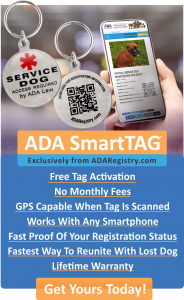
A personalized service dog ID card, registration record or digital profile can provide a convenient way to keep your dog’s information organized.
Your information package can include:
- Handler information
- Dog’s name
- Dog’s photograph
- Breed and identifying information
- Registration information
- Contact information
- QR code
- Digital profile
Keep Your Service Dog Information Together
Having your dog’s identification and important records organized can make it easier to access information when you need it.
Create your personalized Service Dog Registration and ID Card today.
Frequently Asked Questions
What tasks can a psychiatric service dog perform?
Psychiatric service dogs can be trained to perform many different tasks, depending on the handler’s disability. Examples include interrupting behaviors, retrieving items, guiding a disoriented handler, alerting to sounds, seeking help and responding to psychiatric episodes.
Does a psychiatric service dog have to perform a task?
Yes. For purposes of the ADA, a service animal is a dog individually trained to do work or perform tasks for a person with a disability. The task must be related to the person’s disability.
Can a psychiatric service dog provide emotional support?
A service dog may certainly provide comfort and emotional support to its handler. However, comfort alone is not the trained work or task that establishes service-animal status. The dog must also be individually trained to perform disability-related work or tasks.
Can any breed be a psychiatric service dog?
Breed alone does not determine whether a dog qualifies as a service animal. The dog’s training, behavior and ability to perform disability-related tasks are important considerations.
Should I carry service dog identification?
Many handlers choose to carry an ID card and keep registration and other information organized for convenience.
What should be on a service dog ID card?
A personalized ID card can include the handler’s name, dog’s name, photograph, identifying information, registration information, contact information and a QR code linking to a digital profile.
Get Your Psychiatric Service Dog ID Card
Be Prepared. Stay Organized. Carry Your Information.
Create a personalized service dog information package for you and your dog.
Service Dog Registration
Personalized Service Dog ID Card
Digital Profile
QR Code
Dog Photograph
Handler Information
Registration Information
Register Your Service Dog Today
Custom ID Cards
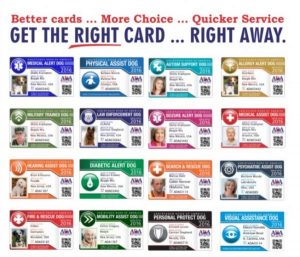
Custom ID Cards
Custom Service Dog Tags
Official Dog Vests
Smart Vests
Official Public Access Kits
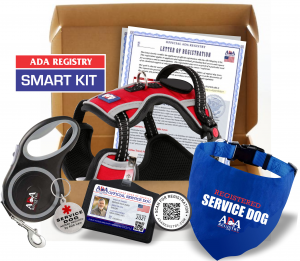
Complete Kits
USA & CANADA Letters
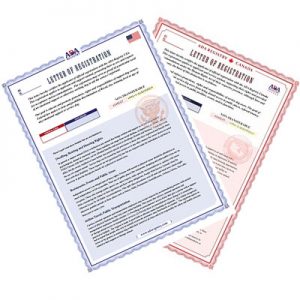
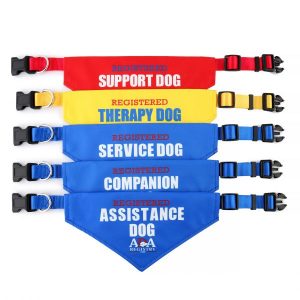
High Quality Bandanas
Service Dog Tags
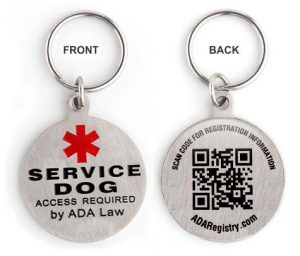
Smart Tags
ESA TAGS