Akita as a Service Dog

Register Any Breed
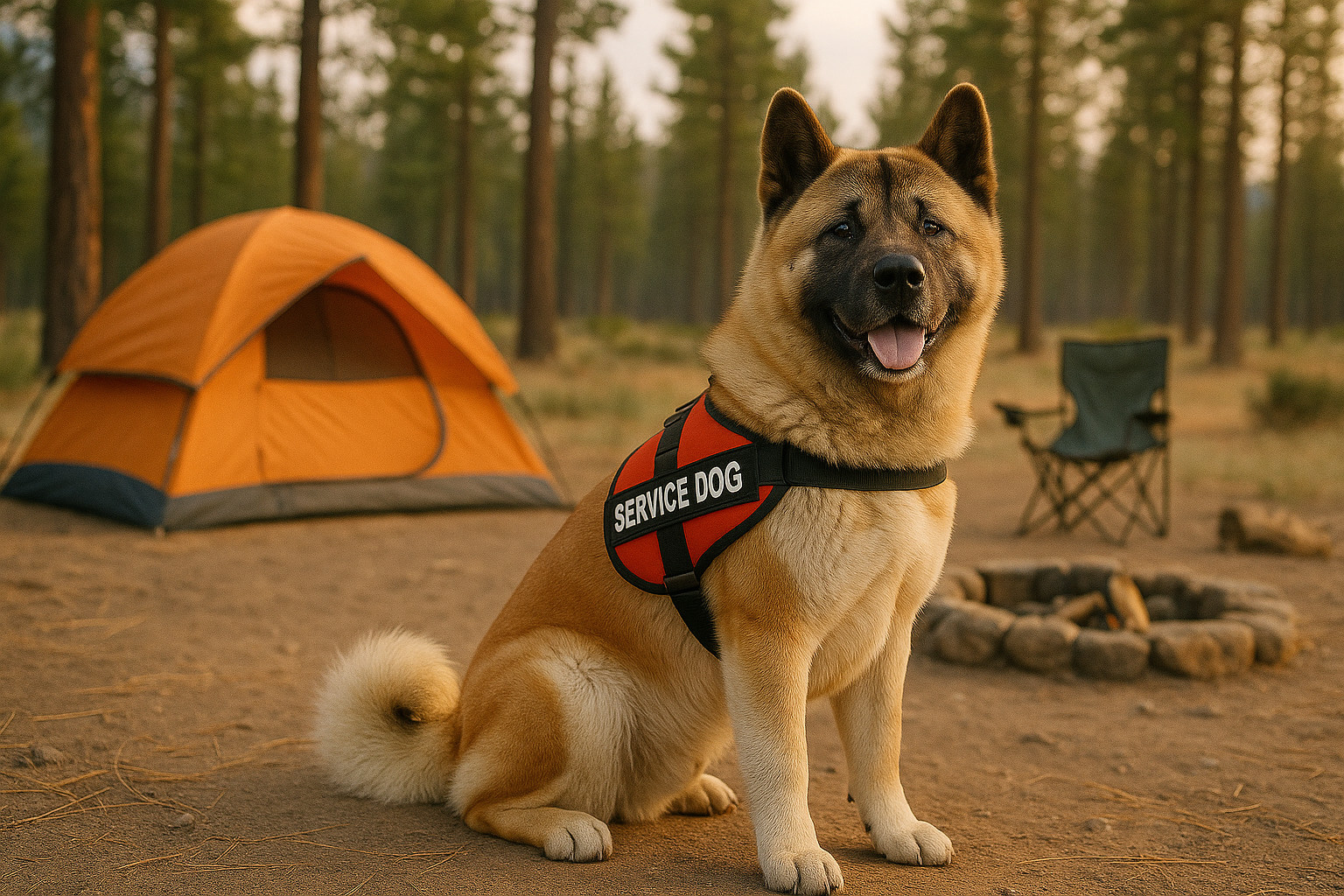
The Akita is a majestic breed known for its intelligence, strength, and loyalty. These qualities, combined with their impressive physical presence, make the Akita an intriguing option for potential service dog work. However, there are several factors to consider when evaluating whether an Akita is suitable for such a role. This article will delve into the characteristics and attributes of the Akita, examining its potential as a service dog.
Akita Overview
Originating from the mountainous regions of northern Japan, the Akita was initially bred for hunting large game such as bears. Over time, their noble demeanor and dignified presence have made them beloved companions around the world. Although they are not the most common breed chosen for service work, their unique combination of physical and mental attributes can make them suitable for specific tasks.
Physical Characteristics
The Akita is a large and robust breed, with males typically weighing between 100 and 130 pounds, and females ranging from 70 to 100 pounds. Their muscular build and thick double coat, which comes in various colors, provide them with resilience against harsh weather conditions. These attributes make them effective for outdoor service work, where durability is essential.
- Size and Strength: Their considerable size and strength are advantageous for tasks requiring physical support, such as mobility assistance. However, this same trait can be a challenge in spaces where size poses a limitation.
- Energy Levels: Although Akitas have bursts of energy, they are generally known for their calm demeanor when adequately exercised. This balance can be ideal for both active service roles and periods of rest when needed.
Temperament and Attitude
The Akita is known for its strong will and independence, which can sometimes be misinterpreted as stubbornness. However, when paired with a skilled handler, these dogs can display remarkable intelligence and adaptability.
- Loyalty and Bonding: Akitas form strong bonds with their handlers, a critical attribute for any service dog. Their innate loyalty ensures they remain focused and dedicated in their service roles.
- Public Behavior: While generally calm, Akitas can be wary of strangers and other animals. Early socialization is crucial to mitigate any potential issues in public or stressful environments, ensuring the dog remains composed and non-aggressive.
Types of Service Work
Given their physical prowess and acute senses, Akitas can be valuable in various service capacities. However, their suitability varies depending on the specific demands of the job.
- Mobility Assistance: Due to their strength and size, Akitas are well-suited for assisting individuals with mobility impairments. They can provide stability and support in physically demanding tasks.
- Emotional Support and Psychiatric Service: Their loyal nature and awareness of their handler's emotions can make them effective emotional support animals or companions for those with PTSD.
- Search and Rescue: The breed's origin as a hunting dog highlights its talent in tracking and search and rescue operations. However, this role requires extensive training and a controlled environment.
Health Considerations
While the Akita is generally a healthy breed, it is prone to certain genetic conditions that may affect their suitability for service work.
- Hip Dysplasia: A common concern for larger breeds, hip dysplasia can affect the dog's mobility and lead to arthritis over time.
- Progressive Retinal Atrophy (PRA): This eye condition may result in impaired vision, impacting a service dog's ability to perform tasks reliant on sight.
- Autoimmune Disorders: Akitas are susceptible to autoimmune diseases, which can affect their overall health and longevity.
Training and Suitability
Training an Akita as a service dog requires patience and expertise due to their independent nature. While they are intelligent and quick learners, their stubbornness can be a barrier.
Register Any Breed
- Consistency and Leadership: A consistent training regime and a clear display of leadership are crucial to gain the respect and cooperation of an Akita.
- Positive Reinforcement: Utilizing positive reinforcement encourages the desired behaviors and helps build a trusting handler-dog relationship.
- Socialization: Early and continuous socialization is necessary to ensure the Akita remains calm and composed in various environments and situations.
Summary of Akita
In conclusion, while the Akita is not the traditional choice for a service dog, certain individuals may be up to the task. Prospective handlers need to weigh their physical attributes, temperament, health considerations, and trainability to determine if an Akita aligns with their service needs.
- Strengths:
- Strong and able to assist with mobility.
- Loyal and devoted to their handler.
- Capable of tasks requiring endurance outdoors.
- Weaknesses:
- Stubborn and independent, necessitating experienced handlers.
- Health issues such as hip dysplasia and autoimmune disorders.
- Potential wariness of strangers or other animals.
- Ideal Service Roles:
- Mobility assistance.
- Emotional support.
- Search and rescue with proper training.
While not a fit for everyone, an Akita trained by an experienced handler can excel in specific service roles, enriching the lives of those they assist.


-
Public Access Kits
$149.00 Learn more This product has multiple variants. The options may be chosen on the product page -
Quick Ship Premium Vests
$48.00 – $82.00 Learn more This product has multiple variants. The options may be chosen on the product page -
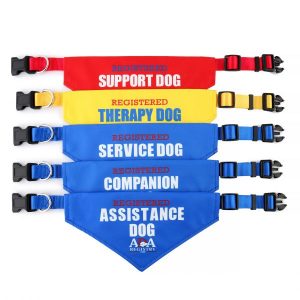
Service Dog Bandana
$39.95 Learn more This product has multiple variants. The options may be chosen on the product page

Custom ID Cards

Custom ID Cards
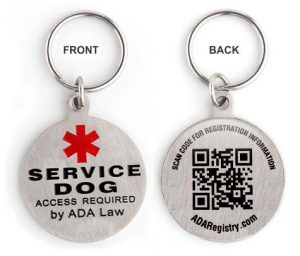
Custom Service Dog Tags
Official Dog Vests
Smart Vests
Official Public Access Kits
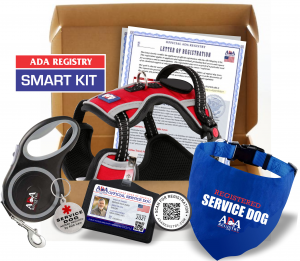
Complete Kits
USA & CANADA Letters
High Quality Bandanas
Service Dog Tags
Smart Tags

ESA TAGS