American Eskimo Dog as a Service Dog
Register Any Breed
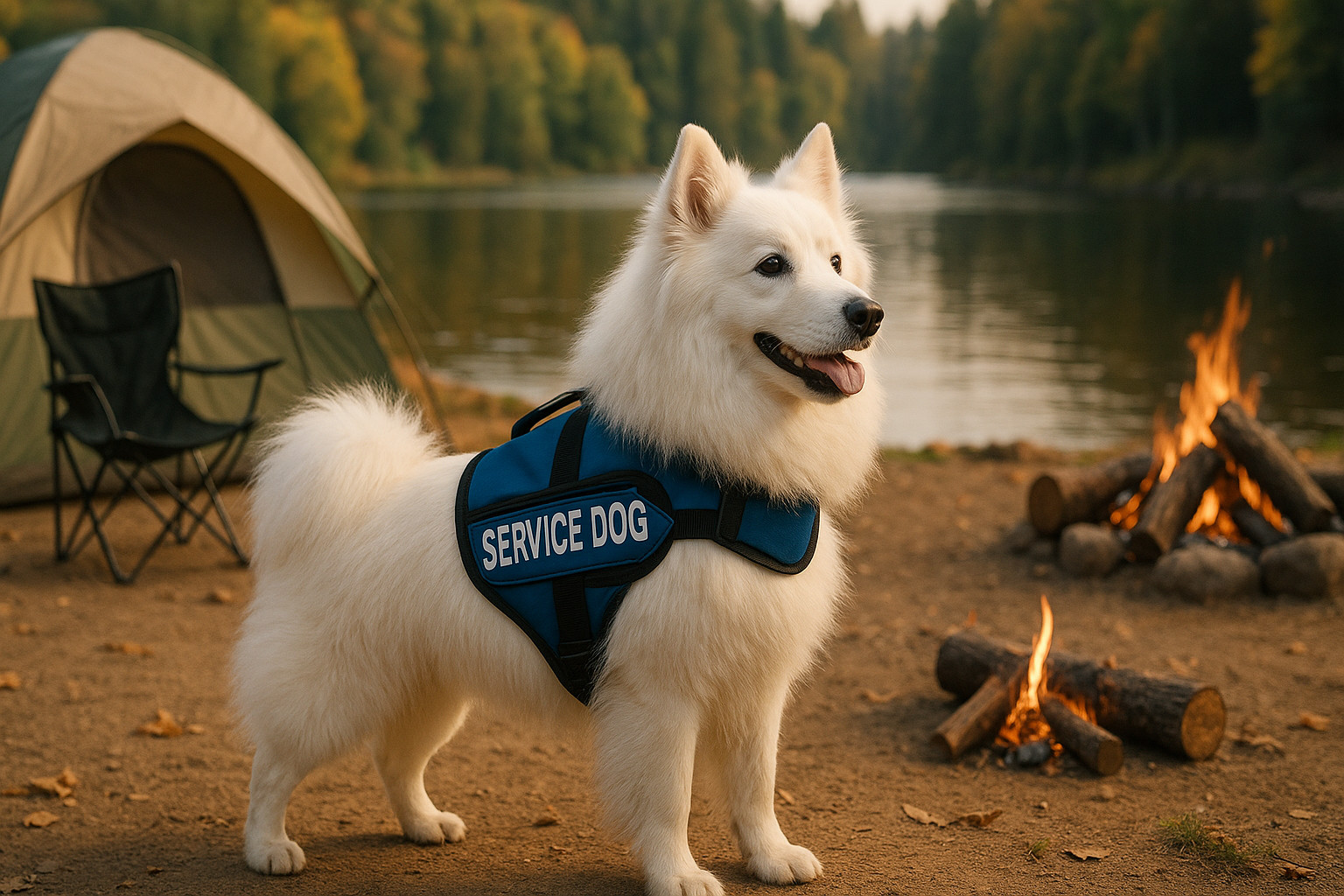
The American Eskimo Dog, often fondly referred to as the "Eskie," is a captivating breed known for its striking white coat and lively personality. While they are a popular choice for families as companion pets, the suitability of the American Eskimo Dog as a service dog warrants a closer examination. This article delves into the various factors that contribute to or detract from the American Eskimo Dog's abilities as a service animal.
American Eskimo Dog Overview
Physical Characteristics
The American Eskimo Dog is a member of the Spitz family, characterized by its thick, snowy coat, upright ears, and curled tail. This breed comes in three sizes: toy, miniature, and standard, ranging from 9 to 19 inches in height and weighing between 6 to 35 pounds. While their size makes them less ideal for tasks requiring substantial physical strength, they are well-suited for work that doesn't necessitate a large imposing presence.
- The dense double coat is highly insulating but demands regular grooming to maintain its condition and prevent matting.
- Their small to medium size makes them excellent for confined spaces and urban environments but limits their ability to perform certain mobility tasks.
- Agile and nimble, they easily navigate various terrains, although their smaller stature can be a limitation in areas that demand strength.
Temperament and Attitude
American Eskimo Dogs are intelligent, alert, and eager to please, making them competitive in various dog sports such as agility and obedience. These personality traits also play a critical role in their potential as service dogs.
- Known for their lively spirit and playful nature, Eskies are quick learners, showcasing exceptional problem-solving abilities.
- Their high energy levels mean they require regular physical and mental stimulation to prevent boredom, which can lead to undesirable behaviors.
- While naturally sociable and friendly, their heightened alertness and wariness of strangers can be a double-edged sword in public settings, potentially leading to excessive barking if not properly trained.
Types of Service Work
The versatility of the American Eskimo Dog allows them to excel in specific service roles. However, their applications are somewhat limited due to their size and temperament.
- Emotional Support and Therapy: Their friendly and affectionate nature makes them ideal for providing emotional support and comfort in therapeutic settings.
- Medical Alert: Their acute senses and intelligence can be harnessed in roles that require alerting to medical conditions, such as diabetes or epilepsy, although thorough and consistent training is essential.
- Psychiatric Service: Their intuitive capabilities can be beneficial in recognizing and responding to emotional distress, making them suitable for psychiatric service work on a smaller scale.
Health Considerations
As with any breed, specific health issues must be considered when evaluating an American Eskimo Dog for service work.
- Joint Issues: The breed is prone to hip dysplasia, which can affect their mobility and suitability for certain physical tasks.
- Eye Conditions: Progressive retinal atrophy and cataracts are concerns, potentially impacting their visual acuity and work performance.
- Allergies and Skin Problems: Their sensitive skin can be affected by environmental factors, requiring careful management to ensure their comfort and health.
Training and Suitability
When it comes to training an American Eskimo Dog for service work, their independent nature and intelligence can be both a benefit and a challenge.
- Trainability: They respond well to consistent, positive reinforcement training. Their desire to please and quick learning capability can lead to high proficiency in tasks.
- Independence: While individual dogs vary, some Eskies may exhibit a notable degree of independence, necessitating a firm but gentle hand in training to maintain focus and compliance.
A key consideration is the amount of time they require for energy expenditure and mental stimulation. Prospective handlers should be prepared for a high level of engagement to maintain the dog's performance and well-being.
Register Any Breed
Summary of American Eskimo Dog
In summary, the American Eskimo Dog presents a compelling mix of traits that can lend themselves to service work, particularly in the realm of emotional support and therapy. However, certain limitations must be acknowledged:
- Strengths: Intelligence and problem-solving abilities, affectionate disposition, suitability for emotional and therapeutic support roles.
- Weaknesses: Size limitations for physical tasks, potential for excessive barking, and specific health concerns.
- Ideal Service Roles: Emotional support animal, therapy dog, medical alert for select conditions.
In conclusion, while the American Eskimo Dog may not be the archetype of a service dog in all aspects, with the right training and a suitable environment, they can be exceptional companions in roles that play to their strengths. Individuals considering this breed for service work should weigh these factors carefully against their specific needs and circumstances.


-
Public Access Kits
$149.00 Learn more This product has multiple variants. The options may be chosen on the product page -
Quick Ship Premium Vests
$48.00 – $82.00 Learn more This product has multiple variants. The options may be chosen on the product page -
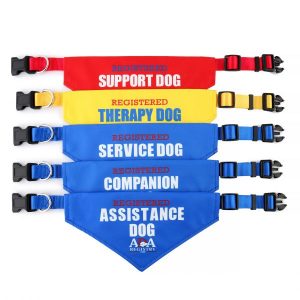
Service Dog Bandana
$39.95 Learn more This product has multiple variants. The options may be chosen on the product page
Custom ID Cards

Custom ID Cards
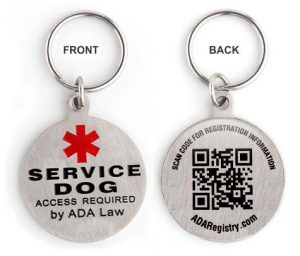
Custom Service Dog Tags

Official Dog Vests

Smart Vests
Official Public Access Kits
Complete Kits
USA & CANADA Letters
High Quality Bandanas
Service Dog Tags
Smart Tags

ESA TAGS