Anatolian Shepherd Dog as a Service Dog
Register Any Breed
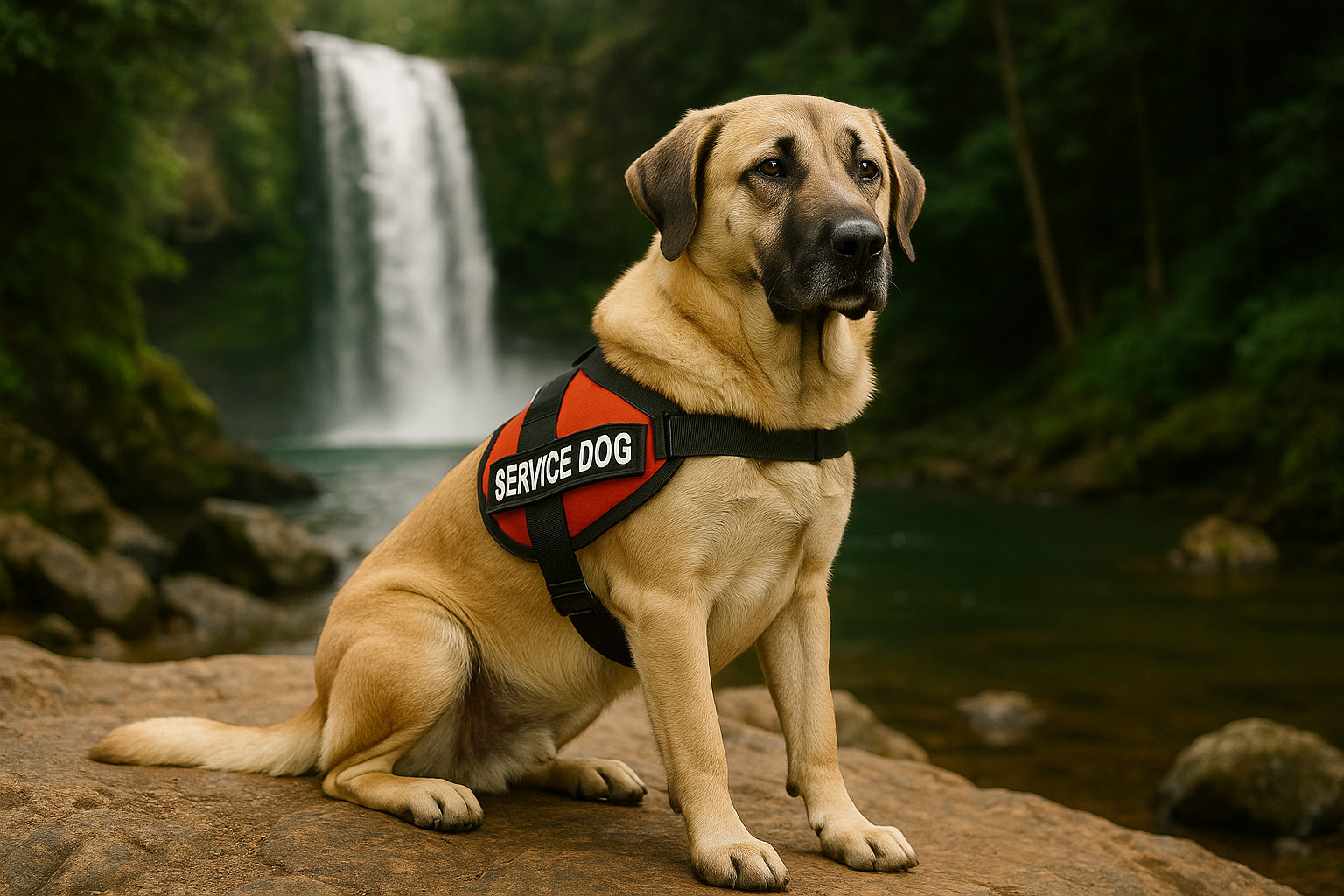
The Anatolian Shepherd Dog, originally bred as a livestock guardian in Turkey, possesses unique characteristics that can make it a compelling choice for certain types of service work. However, determining their suitability requires a thoughtful examination of various factors including their physical characteristics, temperament, health considerations, and trainability. This comprehensive guide provides an in-depth analysis of the Anatolian Shepherd’s potential and limitations as a service dog.
Anatolian Shepherd Dog Overview
The Anatolian Shepherd Dog is a breed known for its impressive stature and guardian instinct. Its long history of protecting livestock from predators has endowed the breed with particular traits that can be both advantageous and challenging in a service dog role.
Physical Characteristics
Anatolian Shepherds are large, powerful dogs. Their physical attributes include:
- Size: Anatolian Shepherds typically weigh between 110 to 150 pounds and stand 27 to 29 inches tall, making them one of the larger dog breeds. This substantial size can be beneficial for certain types of service work, such as mobility assistance, where strength is required.
- Strength: Their muscular build and strength are unmatched, which allows them to support weight-bearing tasks. However, their size can also be a drawback in tight public spaces or residences with limited space.
- Energy Levels: Moderate energy levels require regular physical activity. While they are not hyperactive, their need for exercise could be challenging for a handler with limited mobility.
Temperament and Attitude
Understanding the temperament of the Anatolian Shepherd is crucial in evaluating its potential as a service dog:
- Independence: Bred to work autonomously, they possess a significant degree of independence. While this trait is suited for guarding tasks, it can pose challenges during structured training environments necessitating obedience and attentiveness.
- Protection Instinct: Their innate protective nature can make them vigilant companions, which is useful in roles that require a degree of alertness to surroundings. However, this can also lead to issues of overprotection in unfamiliar environments.
- Calm Demeanor: Generally calm and steady, the breed can manage stress well, making them potential candidates for emotional support roles if their independence can be managed.
Types of Service Work
Anatolian Shepherds can be suited for specific kinds of service work due to their physical and temperament traits:
- Mobility Assistance: Due to their size and strength, they can brace and support individuals needing physical assistance.
- Emotional and Psychiatric Support: While not ideal for psychiatric alert due to their independence, they can offer consistent emotional support and grounding thanks to their calm demeanor.
- Security and Guarding Roles: Their natural guarding instincts make them exceptional for security roles, if managed correctly, within the context of service work.
Health Considerations
The breed’s health profile can significantly influence its capability as a service dog:
- Common Health Issues: Anatolian Shepherds are prone to hip dysplasia, elbow dysplasia, and bloating, conditions that can limit mobility and impact their service life. Regular veterinary checks and appropriate exercise regimens are essential for managing these conditions.
- Lifespan: With a lifespan of approximately 11 to 13 years, their service capacity needs evaluation based on their age and health status over time.
Training and Suitability
The Anatolian Shepherd’s trainability is multifaceted due to their history:
Register Any Breed
- Intelligence: Intelligent and quick learners, they can grasp commands and skills related to service tasks readily.
- Training Challenges: Their strong-willed nature and independence can sometimes lead to challenges in obedience training. Consistent, firm, yet positive reinforcement training methodologies work best.
- Socialization: Early socialization is crucial to ensure adaptability in various environments, enhancing their potential as service animals.
Summary of Anatolian Shepherd Dog
The Anatolian Shepherd Dog, with its distinct strengths and needs, offers unique potentials in the world of service animals. An understanding of their attributes, and careful planning, can ensure effective partnerships between an Anatolian Shepherd and a handler.
- Strengths:
- Large size suitable for mobility assistance
- Calm demeanor beneficial for emotional support roles
- Natural guardian, offers vigilance and protection
- Weaknesses:
- Independence may complicate training
- Large size not suitable for all environments
- Health issues like joint dysplasia may limit service life
- Ideal Service Roles:
- Mobility assistance
- Emotional support
- Security within context
The Anatolian Shepherd Dog can make a remarkable service dog under the right circumstances, highlighting the need for thorough assessment against service work requirements and careful management of training and health.


-
Public Access Kits
$149.00 Learn more This product has multiple variants. The options may be chosen on the product page -
Quick Ship Premium Vests
$48.00 – $82.00 Learn more This product has multiple variants. The options may be chosen on the product page -
Service Dog Bandana
$39.95 Learn more This product has multiple variants. The options may be chosen on the product page
Custom ID Cards

Custom ID Cards
Custom Service Dog Tags
Official Dog Vests

Smart Vests
Official Public Access Kits
Complete Kits
USA & CANADA Letters
High Quality Bandanas
Service Dog Tags
Smart Tags

ESA TAGS