Australian Shepherd as a Service Dog
Register Any Breed
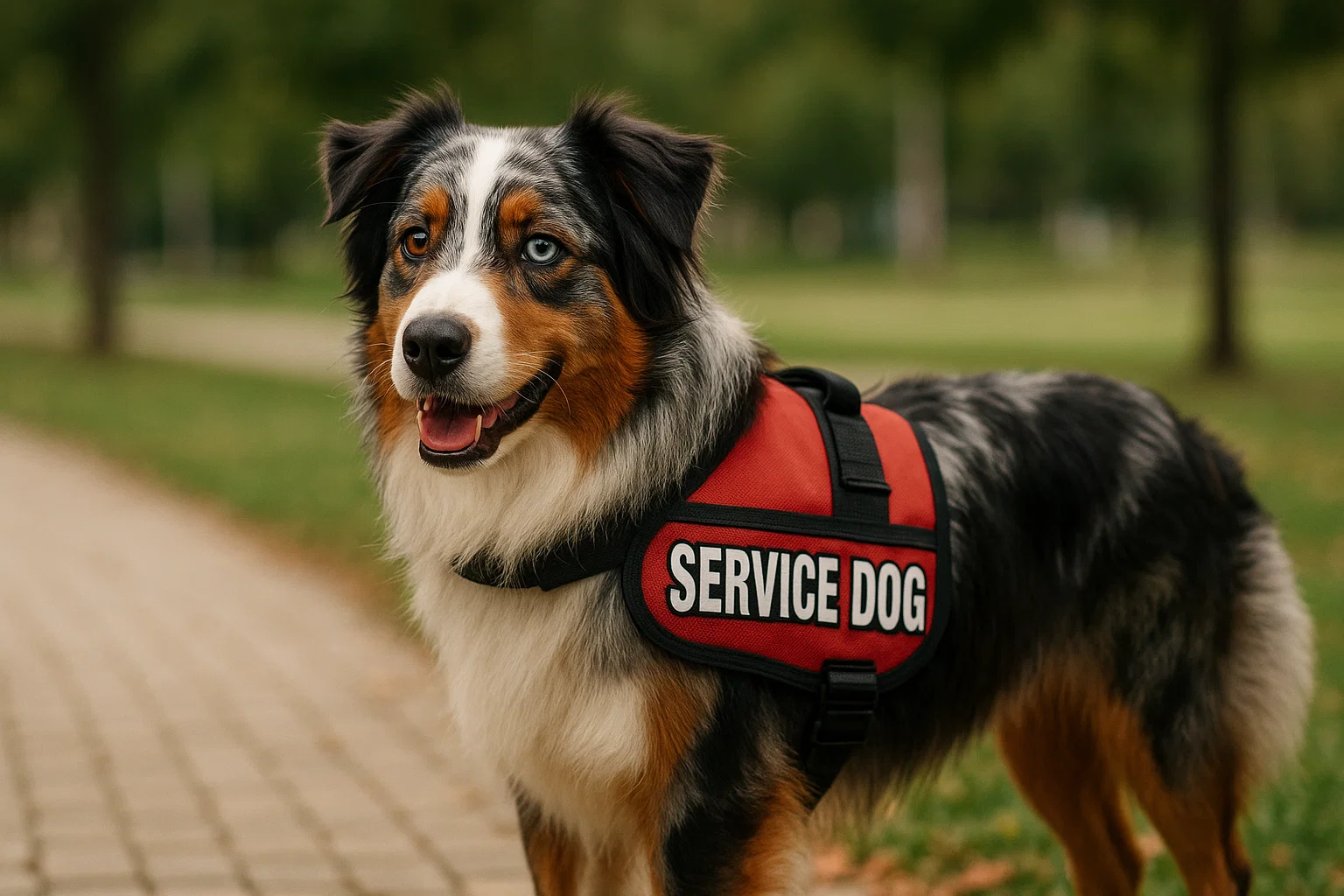
Service dogs play an invaluable role, providing assistance and companionship to those in need. While breeds like the Labrador Retriever and Golden Retriever are commonly celebrated for service work, the Australian Shepherd stands out as a remarkable, albeit less conventional, candidate. Known for their intelligence, agility, and trainability, Australian Shepherds have unique qualities that can make them excellent service dogs. In this comprehensive guide, we’ll explore each facet of the Australian Shepherd’s suitability for service work.
Australian Shepherd Overview
The Australian Shepherd, often known simply as the "Aussie," is a breed that combines intelligence, energy, and a hardworking ethos. Originally bred in America to herd livestock, these dogs have a natural inclination towards work and problem-solving.
Physical Characteristics
The physical attributes of a dog significantly affect its suitability for various types of service work. Australian Shepherds possess several physical traits that can be advantageous:
- Size and Build: Typically weighing between 40 to 65 pounds and standing 18 to 23 inches tall, Australian Shepherds fall into the medium-sized dog category. Their muscular build allows them to perform tasks that require stamina and strength without being too bulky.
- Coat and Maintenance: They have a double-layered, weather-resistant coat that serves them well in various climates. Regular grooming is necessary to manage shedding and maintain a neat appearance.
- Energy Level: They boast a high energy level that necessitates daily exercise—a feature that can be beneficial in active service roles but might require adaptation for more sedentary tasks.
Temperament and Attitude
Understanding temperament is paramount when evaluating a breed for service roles. The Australian Shepherd excels in several key areas:
- Intelligence: This breed is renowned for its intellect, which manifests in remarkable problem-solving abilities and adaptability to new tasks. Their intelligence is beneficial in complex service roles that demand quick thinking.
- Loyalty and Bonding: Aussies are known for forming strong bonds with their handlers, essential for providing reliable service and emotional support.
- Alertness and Noise Sensitivity: While their alert nature is advantageous, they can be sensitive to loud noises, requiring careful socialization for work in busy environments.
Types of Service Work
Australian Shepherds can be adept in various service dog roles due to their unique characteristics. Here are some roles where they can particularly shine:
- Therapy and Emotional Support: Their empathetic and affectionate nature makes them excellent companions, capable of providing emotional stability and comfort in therapeutic settings.
- Psychiatric Service Work: With their ability to detect changes in mood and behavior, Aussies can be trained to assist individuals with conditions like PTSD, anxiety, and depression.
- Medical Alert: Aussies have been successfully trained to alert their handlers to medical conditions, such as seizures or low blood sugar, given their keen sense of smell and heightened awareness.
Health Considerations
While the Australian Shepherd exhibits many positive traits, potential health considerations must be recognized:
- Hip Dysplasia and Joint Issues: Like many breeds, Aussies can be prone to hip dysplasia, making regular veterinary check-ups essential, especially if they’re involved in physically demanding work.
- Eye Conditions: Collie Eye Anomaly and cataracts are concerns that might impact a dog’s ability to perform certain visual or navigation-oriented tasks.
- Drug Sensitivity: Some Aussies carry a gene that increases sensitivity to certain drugs, which is vital to consider when developing treatment plans.
Training and Suitability
Trainability is a crucial aspect that determines a dog's efficacy in service roles. The Australian Shepherd is known for its high trainability but comes with its unique challenges:
Register Any Breed
- Eagerness to Learn: Their desire to learn and please their handler makes them quick learners, suitable for diverse service tasks.
- Consistency and Leadership: While they train easily, they require a confident trainer who can provide firm, consistent guidance to manage their sometimes independent and headstrong nature.
- Mental Stimulation Needs: The breed's intelligence necessitates regular mental stimulation to prevent boredom, which can lead to destructive behaviors if neglected.
Summary of Australian Shepherd
In conclusion, the Australian Shepherd is a dynamic and capable breed with a potential for exceptional service work. However, they require specific conditions and environments to thrive. Here’s a summary of their key strengths and weaknesses for service dog roles:
- Strengths
- High intelligence and trainability
- Strong work ethic and loyalty
- Versatility in various service roles, particularly psychiatric and emotional support
- Weaknesses
- High energy levels may not suit all household or handler needs
- Susceptibility to joint and eye health issues
- Noise sensitivity requiring ample socialization
- Ideal Service Roles
- Therapy and emotional support
- Psychiatric service work
- Medical alert
By considering these factors, potential handlers can make informed decisions about employing an Australian Shepherd as a service dog, ensuring that both the dog and the handler have a rewarding partnership.


-
Public Access Kits
$149.00 Learn more This product has multiple variants. The options may be chosen on the product page -
Quick Ship Premium Vests
$48.00 – $82.00 Learn more This product has multiple variants. The options may be chosen on the product page -
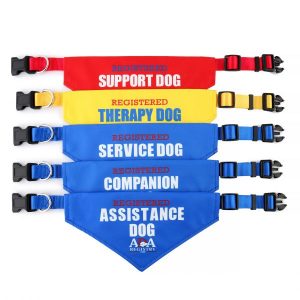
Service Dog Bandana
$39.95 Learn more This product has multiple variants. The options may be chosen on the product page
Custom ID Cards

Custom ID Cards
Custom Service Dog Tags
Official Dog Vests

Smart Vests
Official Public Access Kits
Complete Kits
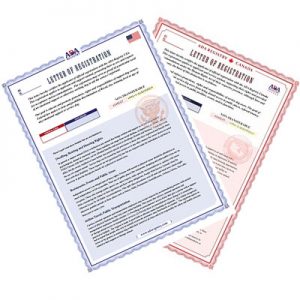
USA & CANADA Letters
High Quality Bandanas
Service Dog Tags
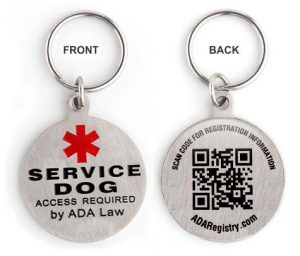
Smart Tags

ESA TAGS