Basenji as a Service Dog

Register Any Breed
Basenji Overview
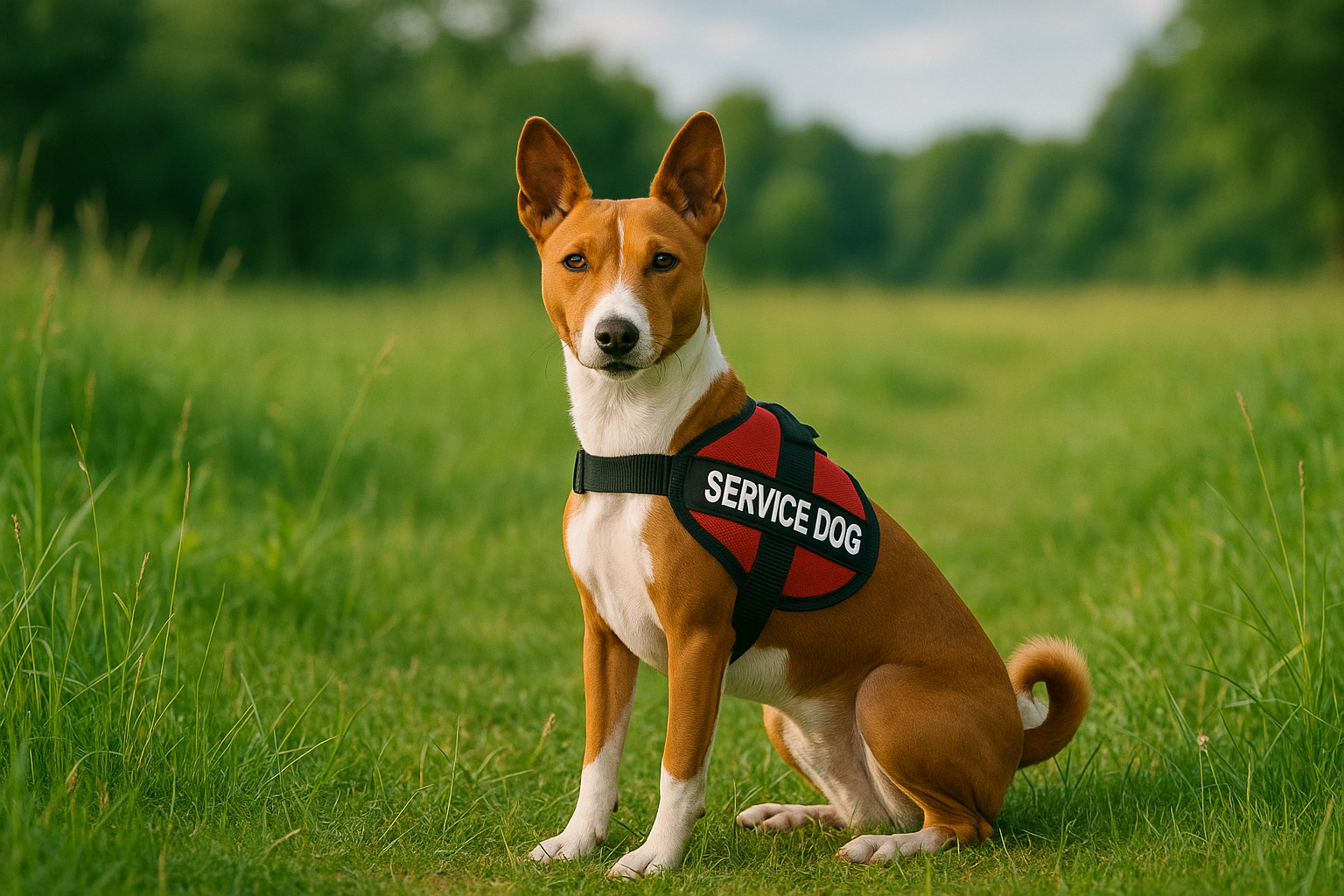
The Basenji is a unique breed known for its independence and distinctive traits. Originating from Central Africa, this breed is often referred to as the "barkless dog" due to its unique vocalization capabilities. However, the potential of a Basenji as a service dog is a subject of interest and requires a deep dive into their characteristics, temperament, health, and trainability. The suitability of a Basenji for service work depends significantly on how these traits align with the various demands of service dog roles.
Physical Characteristics
Basenjis are small to medium-sized dogs, typically weighing between 22-26 pounds, with compact, lean bodies.
- Size and Strength: Their size and physical strength are modest, making them less suitable for tasks that require physical power, such as mobility assistance. This size does allow them to fit comfortably in apartments or environments with limited space.
- Energy Level and Agility: Basenjis are known for their high energy and agility. They are active and can be excellent for service roles that require alertness and quick responses, provided they get enough physical exercise to keep them mentally engaged and focused.
- Grooming Needs: Their short coat requires minimal grooming, which is an advantage for handlers who cannot dedicate much time to dog maintenance. This makes them appealing to individuals looking for low-maintenance companions in certain service roles.
These physical attributes make them more suitable for roles that don't demand heavy lifting or large physical size but rather quick, agile, and responsive actions.
Temperament and Attitude
Basenjis are distinguished by their independence and intelligence, which influence their performance as service dogs.
- Independent Nature: They are often described as cats in a dog's body due to their strong independent streak. This can be both a strength and a weakness, as it may help them in roles where they need to make decisions independently, but it may also mean they require a more experienced handler for training.
- Behavior in Stressful Situations: Known for their keen senses and alert nature, Basenjis can react quickly to environmental changes, although their independent attitude can sometimes make them aloof in public settings.
- Social Interactions: While generally good with their families, Basenjis can be reserved with strangers. This characteristic means they may need extra socialization to ensure they are comfortable working in public or crowded areas.
Addressing these temperament traits during training can significantly improve their effectiveness in service roles suited to their capabilities.
Types of Service Work
Basenjis, given their characteristics, can be considered for specific service roles:
- Medical Alert: Their acute sense of smell and heightened awareness make them suitable candidates for medical alert roles, particularly when it involves detecting changes in human physiology, such as in cases of diabetes alert or seizure alert.
- Psychiatric Support: Their loyalty and unique vocalizations can provide comfort and companionship for individuals needing psychiatric support. Their presence can offer emotional grounding, though extra attention should be paid to their socialization.
- Emotional Support: As pets that develop strong bonds with their owners, Basenjis fit well in emotional support roles where comfort and companionship are paramount.
Roles that require direct physical interventions, such as guiding or balance assistance, may not align well with a Basenji's strengths due to their size and less robust physical presence.
Register Any Breed
Health Considerations
Understanding the health considerations of the Basenji is critical when evaluating them for service work:
- Common Health Issues: Basenjis are generally healthy but are predisposed to certain genetic conditions like Fanconi syndrome, a kidney disorder, and hip dysplasia. These health issues could impact their longevity and effectiveness in service roles.
- Lifespan and Longevity: They typically have a lifespan of 10-14 years, meaning with proper care, they can serve in roles requiring long-term commitment, barring any serious health issues.
- Health Maintenance: Regular veterinary checkups are essential to manage and ideally prevent health issues, which is critical for maintaining their reliability and efficiency in service roles.
These health aspects must be factored into the selection and ongoing care of a Basenji for any service role.
Training and Suitability
Training a Basenji requires patience and understanding of their independent nature:
- Trainability: They are intelligent but may be perceived as stubborn due to their independence. Positive reinforcement and consistent training techniques are essential, alongside a handler who understands Basenji's unique personality.
- Suitability for Service Work: Their intelligence can be an asset in tasks where problem-solving is required, but roles requiring predictable and consistent performance may present challenges unless the Basenji is highly motivated.
- Behavior Modification: Early socialization and training help curtail undesirable behaviors and enhance their abilities to handle public interactions smoothly.
A Basenji's successful integration into service work relies heavily on tailored training methods that cater to their innate independence and intelligence.
Summary of Basenji
Basenjis bring a unique set of traits to service work, making them both a challenge and an opportunity:
- Strengths:
- Agile and quick responders
- Low grooming and maintenance needs
- Loyal companions, forming strong bonds
- Weaknesses:
- Independent, may resist training
- Reserved with strangers, requiring socialization
- Limited suitability for physically demanding roles
- Ideal Service Roles:
- Medical alert roles, such as diabetes or seizure alerts
- Psychiatric and emotional support roles, where their companionship is prioritized
In conclusion, while the Basenji's suitability for service work may not be as clear-cut as other traditional working breeds, with the right approach, they can be trained to perform specific roles where their unique traits are valued. However, potential handlers should be aware of the commitment required to maximize their effectiveness and their specific health and temperament needs.


-
Public Access Kits
$149.00 Learn more This product has multiple variants. The options may be chosen on the product page -
Quick Ship Premium Vests
$48.00 – $82.00 Learn more This product has multiple variants. The options may be chosen on the product page -
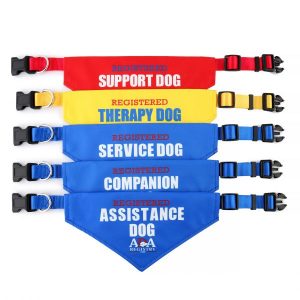
Service Dog Bandana
$39.95 Learn more This product has multiple variants. The options may be chosen on the product page

Custom ID Cards

Custom ID Cards
Custom Service Dog Tags
Official Dog Vests

Smart Vests
Official Public Access Kits
Complete Kits
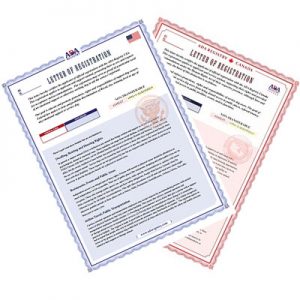
USA & CANADA Letters
High Quality Bandanas
Service Dog Tags
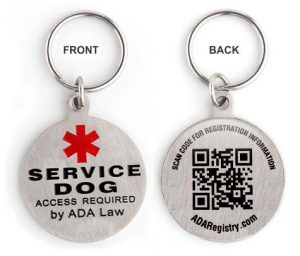
Smart Tags

ESA TAGS