Beagle as a Service Dog
Register Any Breed
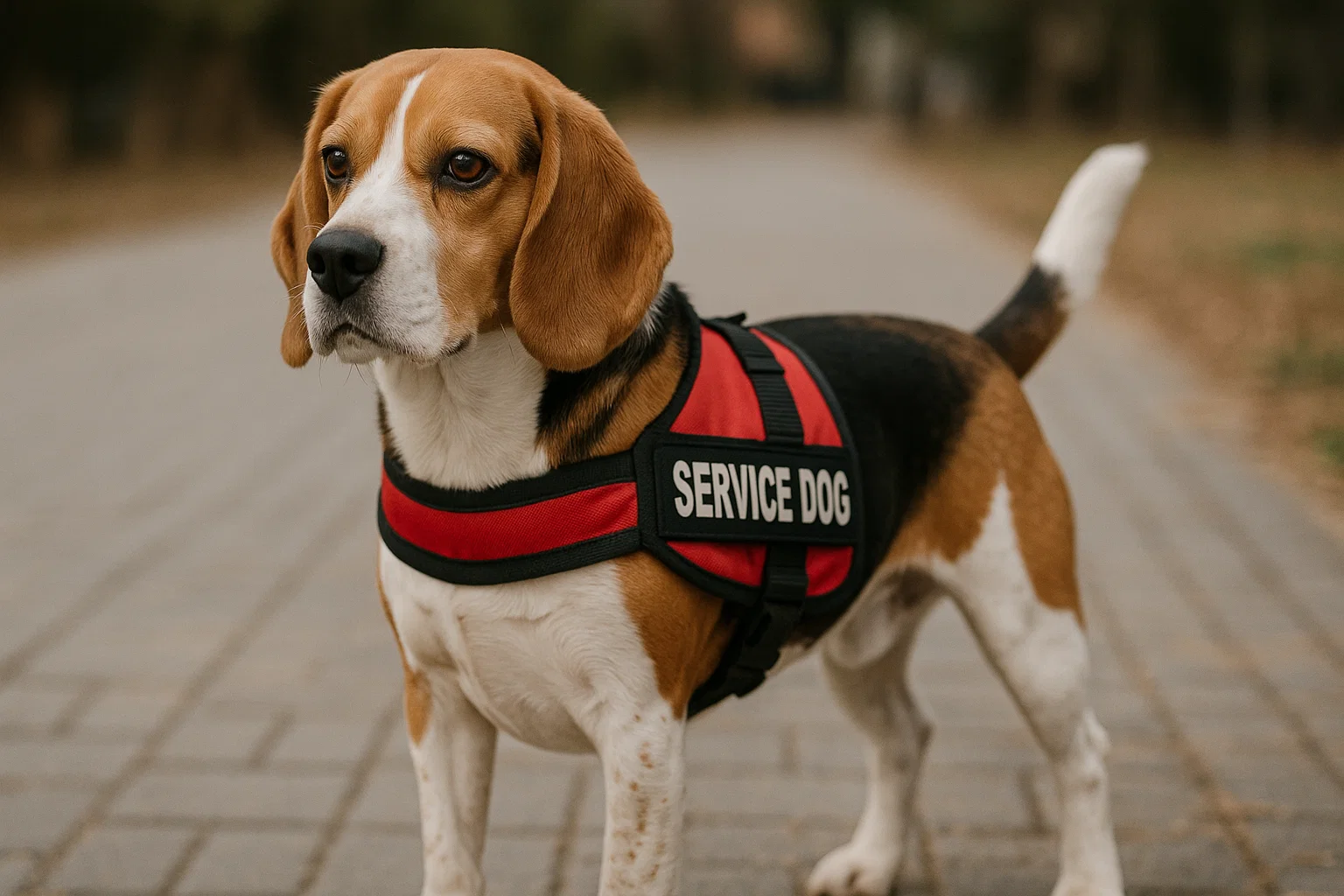
Service dogs play a crucial role in assisting individuals with various physical, psychiatric, and emotional needs. While breeds like Golden Retrievers and Labrador Retrievers are commonly associated with service work due to their size and temperament, Beagles also offer unique advantages and possess traits that can make them suitable service dogs for specific tasks. This article provides an in-depth exploration of the Beagle’s potential as a service dog including their physical characteristics, temperament, types of service work they can excel in, health considerations, and training suitability.
Beagle Overview
Beagles are small to medium-sized dogs with a rich history in hunting and companionship. Originally bred for hunting prowess due to their exceptional sense of smell and tracking ability, Beagles make companions with their cheerful temperament and approachability. Although not traditionally viewed as service dogs, their potential shines brightest in roles that benefit from their innate traits and characteristics.
Physical Characteristics
Beagles are charming dogs with distinct physical features that may affect their suitability as service dogs. A few key physical characteristics include:
- Size and Build: Beagles typically weigh between 20-30 pounds, standing around 13-15 inches tall. Their small size makes them ideal for environments requiring less space and demanding agility rather than strength.
- Energy Levels: This breed is energetic and requires regular exercise, making them well-suited for active service roles that involve frequent movement.
- Appearance: Beagles have short coat fur that offers low maintenance. Their adorable floppy ears and animated expressions make them approachable, which is a beneficial characteristic for interacting with humans in various public scenarios.
Given these traits, Beagles aren't generally suited for mobility or physical assistance roles that require larger, stronger dogs. However, their compact size and agility allow them to maneuver through tight spaces, a beneficial trait for certain types of assistance work.
Temperament and Attitude
The temperament of a service dog is crucial as it affects how they perform under pressure and interact with both their handler and the public.
- Friendly and Sociable: Beagles are renowned for their warm and friendly nature, essential qualities for service dogs who need to remain calm and approachable in dynamic environments.
- Curious and Tenacious: With roots in hunting, Beagles are naturally curious and determined. These traits, while beneficial for scent detection work, may require focused training to ensure they stay on task in distracting environments.
- Independent yet Loving: Beagles strike a balance between being independent and showing affection. Their intrinsic independence can lead to stubbornness, posing challenges in training if not managed correctly.
Despite their social and amiable temperament, Beagles' stubborn streak and strong scent-following drives may present training challenges, requiring consistent, patient training methods.
Types of Service Work
While a Beagle's physical attributes and temperament might not align with every type of service work, their intelligence, agility, and exceptional nose open doors in specific areas:
Register Any Breed
- Scent Detection and Medical Alert: Thanks to their exceptional olfactory senses, Beagles can excel in scent-related tasks, including medical alert work such as detecting changes in blood sugar levels or seizure alerts.
- Emotional Support and Therapy: Their friendly disposition and manageable size make Beagles ideal for roles as emotional support animals or therapy dogs, providing companionship and emotional stability.
- Psychiatric Support: Beagles can effectively assist individuals with PTSD or anxiety, offering comfort and distraction with their engaging and loving nature.
Beagles are generally not recommended for physical support or guide work due to their smaller size and comparatively lower physical strength.
Health Considerations
Beagles, like all breeds, have certain health considerations that may affect their service dog potential:
- Prone to Obesity: Their love for food and relatively sedentary lifestyle indoors can lead to obesity, which can reduce their efficacy as energetic service dogs.
- Ear Infections: The Beagle’s floppy ears are prone to infections, necessitating regular checks and hygiene to maintain their health and avoid distractions in service environments.
- Hip Dysplasia and Other Joint Issues: While less common than in larger breeds, potential joint issues can arise and affect their ability to move quickly and efficiently.
Addressing these health issues through regular veterinary care, proper diet, and exercise can help ensure that a Beagle maintains the level of health required for service work.
Training and Suitability
Training a Beagle as a service dog requires tailored strategies to harness their natural instincts effectively:
- Training Challenges: Their independence and strong scent-driven tendencies mean Beagles can be more challenging to train for specific tasks, necessitating patient and consistent methods.
- Positive Reinforcement: Utilizing positive reinforcement, such as treats and praise, works exceptionally well as Beagles are motivated by rewards.
- Professional Guidance: Professional training may be necessary to overcome stubbornness and focus Beagles on task-specific service behaviors.
The intelligence of Beagles allows them to learn complex tasks, but their training should start early and be ongoing to mitigate any behavioral setbacks.
Summary of Beagle
Summing up the suitability of a Beagle as a service dog involves weighing their strengths against potential challenges. For roles that require companionship, emotional support, or scent detection, Beagles are valuable candidates. Here's a brief overview of their suitability:
- Key Strengths:
- Exceptional sense of smell allows for proficiency in scent detection roles.
- Friendly and sociable temperament makes them approachable and comforting companions.
- Manageable size facilitates close human interaction and easy travel.
- Challenges:
- Stubbornness and independence can pose training challenges.
- Prone to obesity and certain health issues that require management.
- Not suitable for tasks requiring considerable physical strength or support.
- Ideal Service Roles:
- Medical alert, especially scent-based detection tasks.
- Emotional support and therapy, leveraging their friendly demeanor.
- Psychiatric assistance for mental health support.
In conclusion, while Beagles may not fit every service role, they offer unique capabilities and companionship that can significantly benefit individuals with specific needs. With proper training and health management, Beagles can thrive in specialty service roles, showcasing their versatility beyond the traditional hunting and family pet domains.


-
Public Access Kits
$149.00 Learn more This product has multiple variants. The options may be chosen on the product page -
Quick Ship Premium Vests
$48.00 – $82.00 Learn more This product has multiple variants. The options may be chosen on the product page -
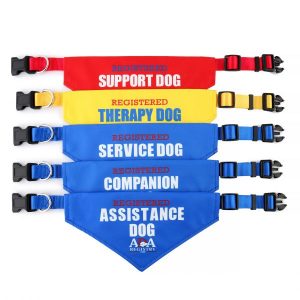
Service Dog Bandana
$39.95 Learn more This product has multiple variants. The options may be chosen on the product page
Custom ID Cards

Custom ID Cards
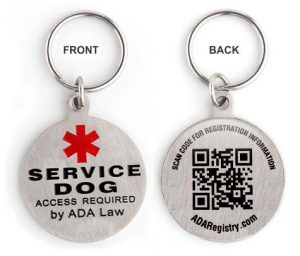
Custom Service Dog Tags
Official Dog Vests

Smart Vests
Official Public Access Kits
Complete Kits
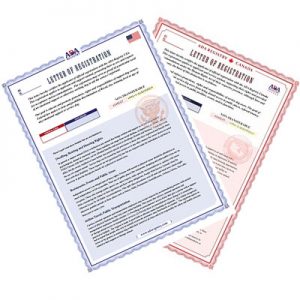
USA & CANADA Letters
High Quality Bandanas
Service Dog Tags
Smart Tags

ESA TAGS