Beauceron as a Service Dog

Register Any Breed
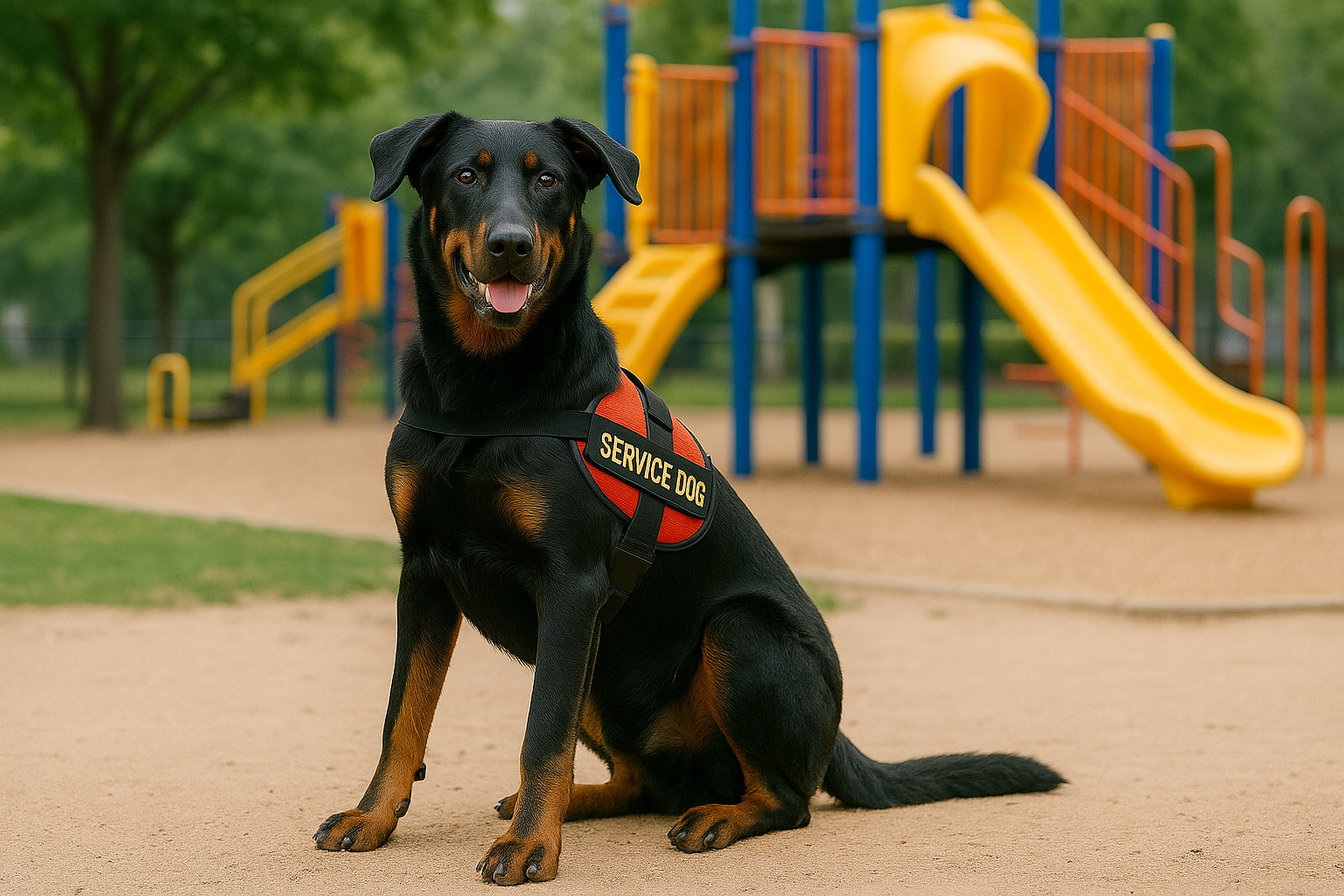
Service dogs play an invaluable role in providing assistance, independence, and improved quality of life to people with disabilities or health conditions. While several breeds are commonly used for service dog work, the Beauceron—a breed not as widely recognized—offers a combination of traits that can make it exceptionally suited for certain service roles. Known for their intelligence, versatility, and strong work ethic, Beaucerons can excel in various types of service work when properly trained. This article explores the potential of the Beauceron as a service dog, covering their physical characteristics, temperament, suitability for different types of service work, health considerations, and training adaptability.
Beauceron Overview
Originally from France, the Beauceron is a robust and intelligent herding dog. Historically, this breed has been used for protecting livestock and assisting in farm work, showcasing their strength, endurance, and intelligence. The Beauceron's natural traits lend themselves well to service work, but understanding the specifics of their capabilities and limitations is crucial for their successful integration as service animals.
Physical Characteristics
The Beauceron is a large and powerfully built dog, typically standing between 24 to 27.5 inches tall at the shoulder and weighing between 70 to 110 pounds. Their imposing stature and strength are both an advantage and a challenge for service work.
- Size and Strength: The Beauceron's sizable frame makes them well-suited for mobility assistance work, where aiding in walking and balance is required. Their strength allows them to perform physical tasks such as pulling a wheelchair or opening heavy doors.
- Endurance: With a history of herding, the Beauceron has excellent stamina, essential for service dogs who need to be active and alert for extended periods.
- Grooming and Maintenance: Beaucerons have a short, dense double coat that is relatively low maintenance. Regular brushing is sufficient to manage shedding and maintain their coat in good condition.
However, their size can also be a disadvantage in environments where space is limited or where the service dog must be unobtrusive. Potential handlers should consider whether the Beauceron's size fits their lifestyle and living situation.
Temperament and Attitude
The Beauceron is known for being intelligent, confident, and highly trainable, all desirable attributes in a service dog. Their temperament and behavior can be suited for various types of service roles, provided they receive adequate training and socialization from an early age.
- Intelligence: Their ability to learn quickly and adapt to new tasks makes them excellent candidates for service roles that require complex problem-solving or task execution.
- Work Ethic: Beaucerons have a strong desire to work and please their handlers, contributing to their effectiveness as service dogs.
- Confidence and Calmness: In stressful environments, a service dog must remain calm and focused. Beaucerons naturally exhibit confidence and a level-headed demeanor in distracting or busy settings.
- Protective Instincts: While protective instincts can be a positive trait in ensuring their handler's safety, it is essential to train the Beauceron appropriately to ensure these instincts don't manifest as aggression or anxiety.
The success of a Beauceron as a service dog largely depends on early socialization and consistent training to ensure they interact well with other animals and people in public settings without becoming overprotective or territorial.
Types of Service Work
Beaucerons can be trained for various types of service work due to their physical and behavioral traits. While they may not be the most common breed for all service roles, Beaucerons can excel in specific types:
Register Any Breed
- Mobility Assistance: Due to their size and strength, Beaucerons are well-suited to assist individuals with mobility challenges. They can provide support for balance, retrieve items, open doors, and even help with pulling wheelchairs or aiding in transfers.
- Psychiatric Service Dog: Their intelligence and empathetic nature make Beaucerons suitable for psychiatric service roles, providing grounding and anxiety relief for individuals with PTSD, depression, or panic disorders.
- Medical Alert Service Dog: With proper training, Beaucerons can alert their handlers to medical issues such as seizure onsets, changes in blood sugar levels for diabetics, or other medical alerts. Their attentiveness to their handler’s behaviors makes them effective in these roles.
- Search and Rescue: Although not a traditional service dog role, the Beauceron's strong scenting ability and determination make them excellent in search and rescue operations, a task they might also perform as a trained service dog.
Health Considerations
While the Beauceron can be a strong candidate for service work, potential health issues inherent to the breed should be considered:
- Hip Dysplasia: Common among large breeds, hip dysplasia can impair a Beauceron's mobility, thus early screening and maintenance are crucial.
- Heart Problems: Beaucerons are predisposed to certain heart conditions, such as dilated cardiomyopathy, which can impact their ability to perform physical tasks.
- Bloat: As a deep-chested breed, Beaucerons are at risk for gastric dilatation-volvulus (bloat), a life-threatening condition that requires immediate attention.
Regular veterinary check-ups and a comprehensive health management plan are essential for ensuring the well-being of a Beauceron in service work. Handlers should be aware of these potential issues and engage in preventative measures to manage health risks effectively.
Training and Suitability
Training a Beauceron for service work requires commitment and consistency. Their intelligence and eagerness to learn make them highly trainable, but their independence and instincts can present challenges.
- Trainability: Beaucerons respond well to positive reinforcement techniques and require a handler who can establish clear communication and leadership.
- Independence: This breed exhibits an independent streak, which can be beneficial in service work requiring initiative but may pose training challenges if not addressed early.
- Socialization: To minimize protective behaviors and ensure they function well in public spaces, early and broad socialization is crucial.
- Ongoing Training: Regular training sessions and engagement are important to keep a Beauceron mentally stimulated and to reinforce service tasks throughout their working life.
Professional training from an early age and consistent reinforcement of desired behaviors will help ensure a Beauceron is both a faithful companion and an effective service animal.
Summary of Beauceron
The Beauceron, with its unique combination of physical capabilities and cognitive skills, offers considerable potential as a service dog for specific roles. However, potential handlers should carefully evaluate the breed’s suitability based on their individual needs and circumstances.
- Strengths:
- Exceptional strength and size for mobility assistance
- High intelligence and eagerness to learn
- Robust work ethic and desire to please
- Confidence and composure in various environments
- Weaknesses:
- Requires early and extensive socialization to counteract protective instincts
- Potential health issues like hip dysplasia and heart problems
- Large size can be a limitation in some environments
- Ideal Service Roles:
- Mobility Assistance
- Psychiatric Service Dog
- Medical Alert Service Dog
- Search and Rescue Operations
Beaucerons demand diligent early socialization, health oversight, and specialized training to harness their full potential as service dogs. When matched with the right handler and role, they can be remarkable service companions.


-
Public Access Kits
$149.00 Learn more This product has multiple variants. The options may be chosen on the product page -
Quick Ship Premium Vests
$48.00 – $82.00 Learn more This product has multiple variants. The options may be chosen on the product page -
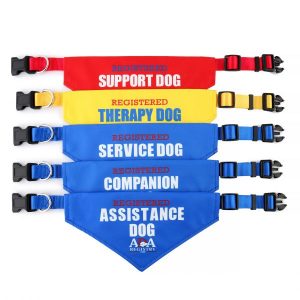
Service Dog Bandana
$39.95 Learn more This product has multiple variants. The options may be chosen on the product page

Custom ID Cards

Custom ID Cards
Custom Service Dog Tags
Official Dog Vests
Smart Vests
Official Public Access Kits
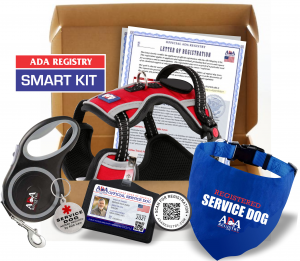
Complete Kits
USA & CANADA Letters
High Quality Bandanas
Service Dog Tags
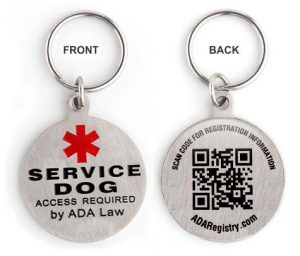
Smart Tags

ESA TAGS