Belgian Malinois as a Service Dog
Register Any Breed
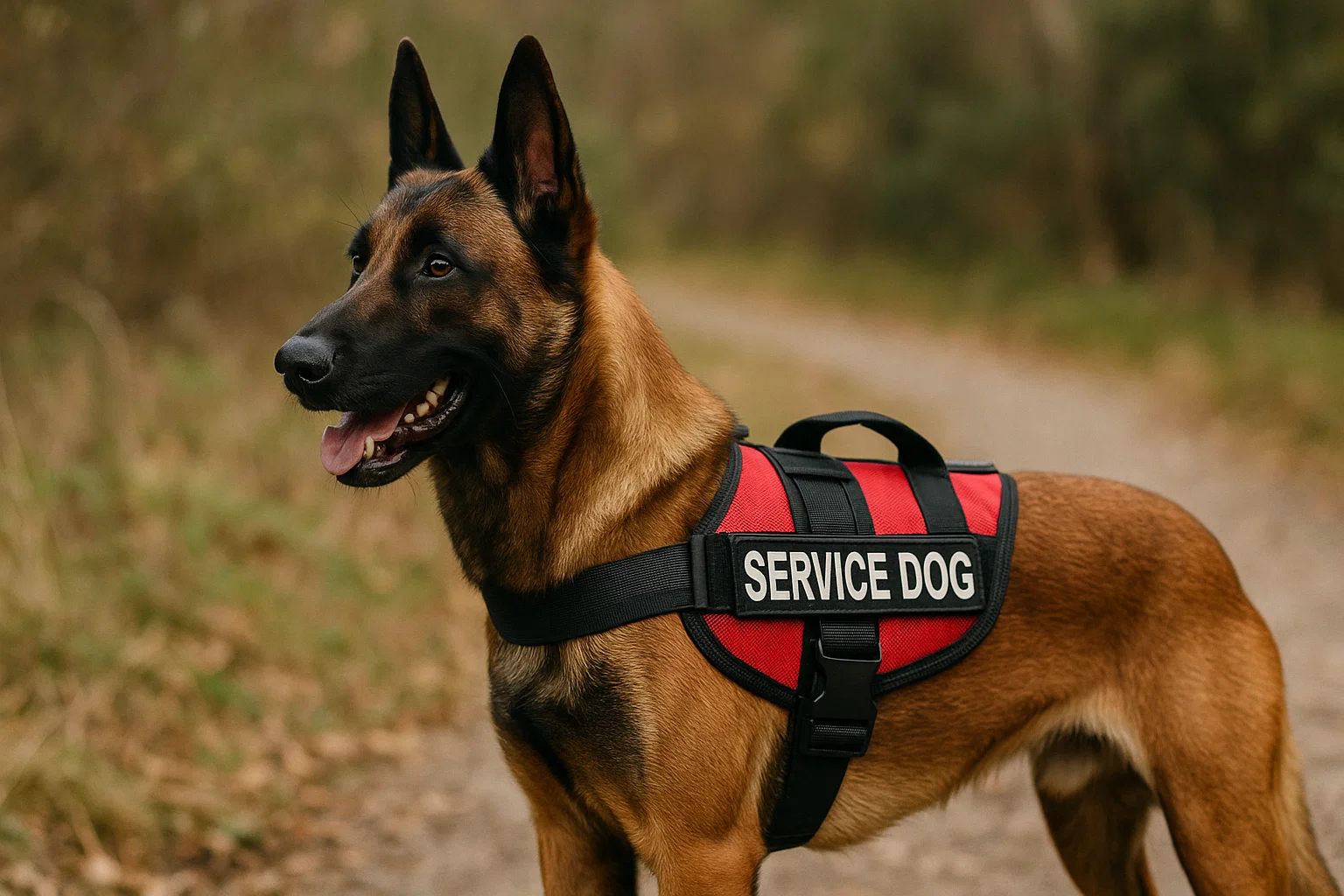
The Belgian Malinois, often referred to simply as Malinois, is a breed known for its intelligence, athletic ability, and versatile skill set. Originating from Belgium as a working dog, this breed excels in various demanding roles, including service work. This article explores the characteristics, suitability, and specialized roles that make the Belgian Malinois a prominent choice for service dog work.
Belgian Malinois Overview
Originally bred for herding, the Belgian Malinois is one of four Belgian herding breeds. Their remarkable agility, intelligence, and drive have made them highly sought-after in roles such as police, military, and increasingly, as service dogs. Understanding their characteristics and capabilities is crucial when considering them for any service dog role.
Physical Characteristics
The Belgian Malinois is a medium-to-large dog, typically weighing between 60 to 80 pounds and standing 22 to 26 inches at the shoulder. Their physical structure is characterized by:
- Athletic Build: Lean and muscular, they possess a high level of endurance and speed essential for active service roles.
- Distinctive Mask: A trademark black mask gives them a noble and alert appearance.
- Short Coat: Their weather-resistant short double coat is easy to maintain, which is advantageous for a service dog exposed to varying environmental conditions.
These physical attributes influence their service suitability, particularly for roles requiring agility and endurance.
Temperament and Attitude
The Malinois' temperament is one of its standout features, making it an excellent choice for service work. Key traits include:
- Intelligence: Known for their problem-solving skills and quick learning ability, they adapt and respond well to training.
- High Energy and Drive: Their energetic nature requires significant physical and mental stimulation, making them ideal for active service tasks but challenging for those unable to provide consistent exercise.
- Loyal and Bonding Personality: They form strong bonds with their handlers, essential for effective service dog partnerships.
Despite their positive traits, potential handlers should consider that their high energy can make them unsuitable for sedentary individuals or those unable to commit to strenuous exercises and mental challenges.
Types of Service Work
Belgian Malinois are well-suited for various service roles thanks to their intelligence, strength, and agility:
Register Any Breed
- Mobility Assistance: Their strength and size make them suitable for physical assistance tasks, including retrieving objects and assisting with movement.
- Medical Alert: With a keen sense of smell, Malinois can be trained to detect changes in body chemistry, alerting to seizures or diabetic conditions.
- Psychiatric Service: Their strong bond with handlers and ability to perform pressure therapy can be beneficial for those with PTSD or anxiety disorders.
While versatile, they may not be the best choice for roles requiring prolonged calmness and inactivity due to their energetic nature.
Health Considerations
Belgian Malinois are generally healthy dogs; however, certain health considerations should be accounted for in service roles:
- Hip Dysplasia: Similar to other large breeds, they are prone to hip dysplasia, potentially impacting mobility tasks.
- Eye Disorders: Progressive Retinal Atrophy and other eye conditions can affect their ability to perform visual-based tasks.
- Elbow Dysplasia: Can impair physical abilities necessary for service work if not managed appropriately.
Regular veterinary care and screening for these conditions are critical in maintaining their service capabilities.
Training and Suitability
Training a Belgian Malinois as a service dog requires dedication due to their intelligence and high energy levels:
- High Trainability: They learn new commands quickly, which is advantageous for intricate service tasks.
- Consistency and Positive Reinforcement: Their training thrives on consistent routines and positive reinforcement. Harsh methods are counterproductive and can damage their trust and effectiveness.
- Socialization: Early and extensive socialization is crucial to ensure they are comfortable in varied environments and situations typical of service work.
Despite their trainability, Malinois may require experienced handling when service training due to their strong drive and independence, occasionally posing challenges to novice trainers.
Summary of Belgian Malinois
In summary, the Belgian Malinois is a viable candidate for various service roles due to their unique combination of traits. Key strengths, weaknesses, and recommended roles for the Belgian Malinois as a service dog include:
- Strengths:
- Intelligent and quick learners, suitable for complex service tasks.
- Strong, agile, and capable of handling physically demanding responsibilities.
- Loyal and form strong handler bonds.
- Weaknesses:
- High energy demands can pose challenges requiring significant commitment from handlers.
- Potential health issues such as hip and elbow dysplasia can affect long-term service capability.
- Require rigorous socialization to avoid overstimulation in public settings.
- Ideal Service Roles:
- Mobility Assistance: Their strength and size help in physical tasks.
- Medical Alert: Exceptional olfactory capabilities lend to medical detection work.
- Psychiatric Assistance: Their bonding ability aids in emotional and psychiatric support roles.
The Belgian Malinois' unique blend of skills and temperament makes them exceptionally suited for active, challenging service roles, provided their specific needs, particularly for exercise and mental stimulation, are met.


-
Public Access Kits
$149.00 Learn more This product has multiple variants. The options may be chosen on the product page -
Quick Ship Premium Vests
$48.00 – $82.00 Learn more This product has multiple variants. The options may be chosen on the product page -
Service Dog Bandana
$39.95 Learn more This product has multiple variants. The options may be chosen on the product page
Custom ID Cards
Custom ID Cards
Custom Service Dog Tags
Official Dog Vests
Smart Vests
Official Public Access Kits
Complete Kits
USA & CANADA Letters
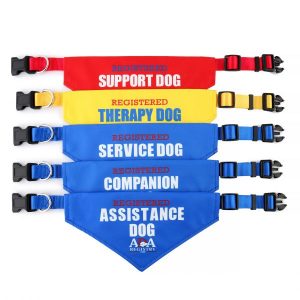
High Quality Bandanas
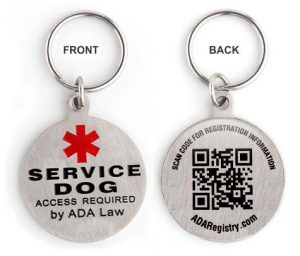
Service Dog Tags
Smart Tags
ESA TAGS