Biewer Terrier as a Service Dog

Register Any Breed
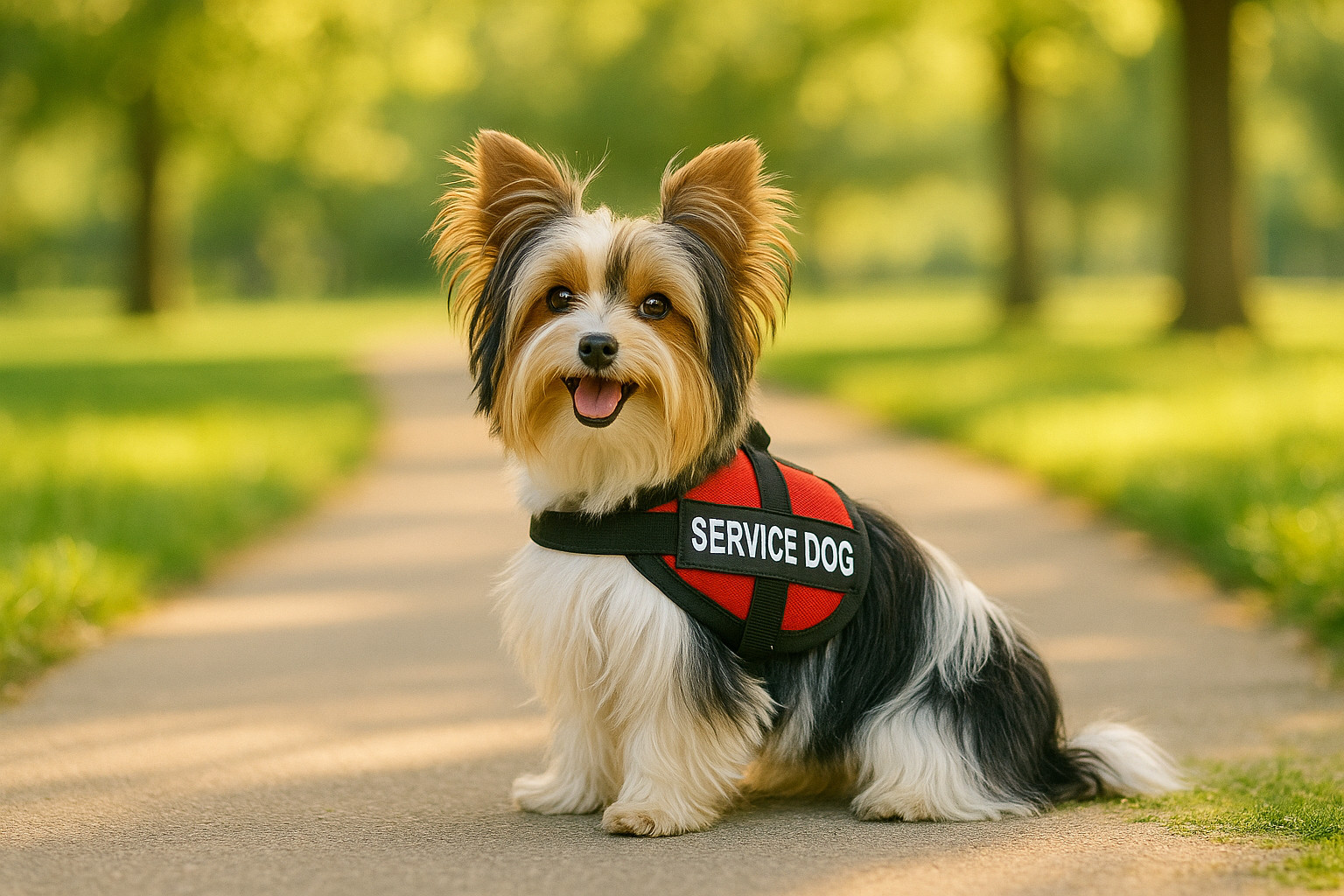
In the world of service dogs, breeds like Labrador Retrievers and Golden Retrievers often take the spotlight. However, there's a lesser-known breed gaining attention for its potential in service roles: the Biewer Terrier. This unique breed, renowned for its friendly demeanor and striking appearance, may not be the first breed that comes to mind for service work, but it holds promise in specific roles. This article explores the potential of the Biewer Terrier as a service dog, examining their physical characteristics, temperament, suitability for various service tasks, health considerations, and trainability.
Biewer Terrier Overview
The Biewer Terrier, a small and charming breed, emerged in Germany in the 1980s and is a descendant of the Yorkshire Terrier. They were initially bred for companionship, boasting a unique tri-color coat that distinguishes them from other terriers. Although relatively new to the scene, the Biewer Terrier's intelligence and adaptability have caught the eye of service dog trainers looking to expand the possibilities for prospective service dogs.
Physical Characteristics
Biewer Terriers are small yet sturdy dogs, standing at around 7 to 11 inches tall at the shoulder and weighing between 4 to 8 pounds. Despite their diminutive size, they possess a robust build, which provides resilience and endurance.
- Size and Build: The small stature of the Biewer Terrier makes them unsuitable for tasks requiring physical strength, such as mobility assistance. However, their size allows them to easily accompany handlers in various environments, including tight or busy spaces.
- Coat and Grooming: Their long, silky coat, while beautiful, requires regular grooming. This aspect is essential to consider for potential handlers, as maintaining a clean coat is crucial in preventing skin issues and maintaining a professional appearance in public settings.
Temperament and Attitude
The temperament of the Biewer Terrier is characterized by a delightful blend of intelligence, playfulness, and affection. These qualities make them excellent companions and potentially valuable in specific service roles.
- Disposition: Biewer Terriers are known for their friendly and sociable nature. They thrive on human interaction and form strong bonds with their handlers, which is a desirable trait for service dogs requiring close companionship.
- Behavior in Stressful Environments: In public settings, the Biewer Terrier typically exhibits calmness and poise. Their outgoing personality and adaptability enable them to handle new stimuli without becoming overly stressed or reactive.
Types of Service Work
While Biewer Terriers may not be suited for all types of service work due to their size and strength, they excel in certain roles where their unique traits shine.
- Medical Alert Dogs: Their acute sense of smell and keen awareness make them excellent candidates for medical alert roles. They can be trained to detect changes in blood sugar levels or impending seizures, offering critical support to individuals with diabetes or epilepsy.
- Psychiatric Service Dogs: The affectionate and intuitive nature of the Biewer Terrier makes them well-suited for psychiatric service roles. Their ability to form close bonds and sense emotional changes can provide significant comfort and grounding to individuals with mental health conditions.
- Emotional Support Animals (ESAs): Their primary role as companions aligns naturally with the responsibilities of an ESA. They provide emotional stability and companionship, assisting individuals with conditions such as anxiety or depression.
Health Considerations
Like all breeds, Biewer Terriers have specific health conditions that can affect their suitability as service dogs. Understanding these is crucial for determining their potential roles.
- Patellar Luxation: This common condition in small breeds impacts the kneecap's stability, potentially leading to discomfort or mobility issues. Regular veterinary check-ups are vital to manage this condition.
- Dental Issues: Due to their small mouths, Biewer Terriers are prone to dental problems. Consistent dental care is essential to prevent complications that could affect their ability to perform service roles effectively.
- Lifespan and Longevity: With a lifespan of 12 to 15 years, Biewer Terriers offer a long-term commitment for service work. Their longevity allows them to serve their handlers for many years, provided their health is diligently monitored.
Training and Suitability
Trainability is a critical factor in assessing a breed's potential as a service dog. The Biewer Terrier, while intelligent, presents unique challenges and advantages in this area.
Register Any Breed
- Intelligence and Learning: Their sharp mind and eagerness to please make them relatively easy to train. Positive reinforcement methods often yield the best results, as Biewer Terriers respond well to encouragement and rewards.
- Independence: While they are intelligent, Biewer Terriers can exhibit a streak of independence. Consistent training from an early age helps mitigate this, ensuring they remain focused on tasks while in service environments.
- Adaptability: Their ability to adapt to various situations supports their training in dynamic environments. Whether navigating public transportation or attending public events, Biewer Terriers typically handle new experiences with grace.
Summary of Biewer Terrier
In summary, the Biewer Terrier presents a unique proposition in the realm of service dogs. While their small size limits their capacity for physically demanding tasks, their intelligence, sociable nature, and adaptability make them excellent candidates for specific service roles.
- Strengths:
- Affectionate and sociable, excellent for companionship.
- Acute sense of smell conducive to medical alert tasks.
- Highly adaptable to various environments.
- Weaknesses:
- Limited strength restricts roles involving physical assistance.
- Prone to specific health issues like patellar luxation.
- Ideal Service Roles:
- Medical alert dog
- Psychiatric service dog
- Emotional support animal
The Biewer Terrier may not fit the traditional mold of a service dog due to its size, but in roles where companionship, sensitivity, and adaptability are key, they can excel and significantly improve the lives of their handlers.


-
Public Access Kits
$149.00 Learn more This product has multiple variants. The options may be chosen on the product page -
Quick Ship Premium Vests
$48.00 – $82.00 Learn more This product has multiple variants. The options may be chosen on the product page -
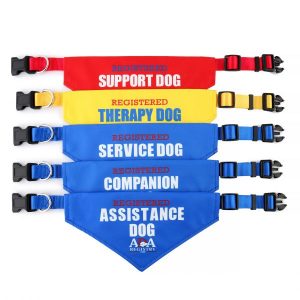
Service Dog Bandana
$39.95 Learn more This product has multiple variants. The options may be chosen on the product page

Custom ID Cards

Custom ID Cards
Custom Service Dog Tags
Official Dog Vests

Smart Vests
Official Public Access Kits
Complete Kits
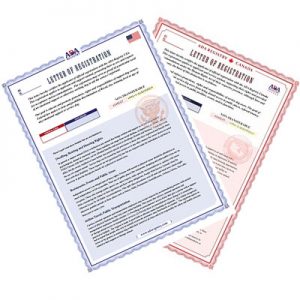
USA & CANADA Letters
High Quality Bandanas
Service Dog Tags
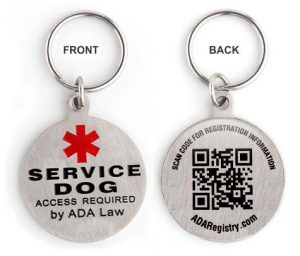
Smart Tags

ESA TAGS