Chinook as a Service Dog
Register Any Breed
Chinook Overview
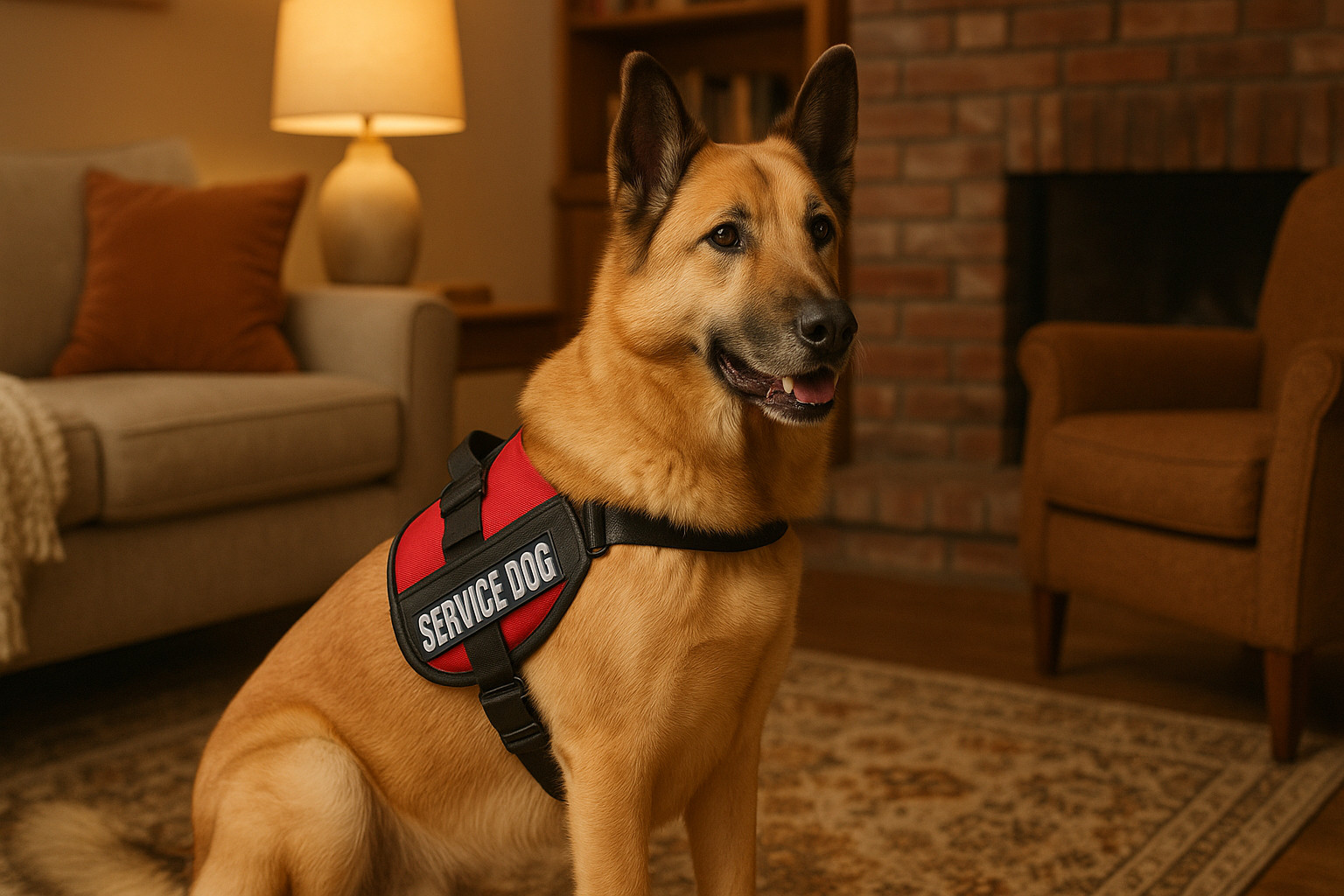
Chinooks are a rare American dog breed, originally bred as sled dogs in New Hampshire. Known for their combination of strength, endurance, and friendly nature, they are gaining attention as potential service dogs. Service dogs require more than just good training; the right temperament and physical characteristics are crucial. This guide explores the suitability of the Chinook as a service dog, examining their attributes in detail.
Physical Characteristics
Chinooks are medium to large dogs, weighing between 50 to 90 pounds, and standing 21 to 27 inches tall. They possess a sturdy, muscular build and are known for their strength and agility, traits inherited from their heritage as sled dogs. Their coat is double-layered, featuring a soft undercoat and a dense, coarse outer coat. This coat provides protection against harsh weather, but it requires regular grooming to manage shedding.
- Size: Ideal for tasks that require strength, such as pulling wheelchairs or providing physical support.
- Coat: Weather-resistant, but needs maintenance, which can be more demanding compared to breeds with single-layer coats.
- Build: Strong and agile, suitable for physically demanding service roles.
The Chinook's physical attributes make them a good fit for mobility assistance and other demanding service roles, but their coat maintenance needs are a consideration for potential handlers.
Temperament and Attitude
Chinooks are known for their friendly and gentle disposition. They are affectionate with family members, including children, and generally display a tolerant attitude towards other pets. While they are not inherently aggressive, Chinooks can be reserved with strangers, making socialization crucial.
- Friendly: Their sociable nature makes them great companions for those needing emotional support.
- Reserved: Initial shyness towards strangers might require focused socialization efforts.
- Gentle and Patient: Ideal for environments where calm behavior is required, such as hospitals or therapy settings.
In stressful environments, a Chinook’s temperament shines as they are typically calm and composed, key traits for a service dog in various public settings.
Types of Service Work
Given their attributes, Chinooks can excel in several types of service work. Their size and strength make them ideal for specific roles, though they may not be suitable for all service dog tasks.
- Mobility Assistance: With a robust build, they can help with tasks like pulling wheelchairs or providing stability to those with balance issues.
- Medical Alert: While not natural sniffers compared to breeds like Labradors, with proper training, they can effectively learn to alert handlers to conditions like seizures or diabetes.
- Therapy and Emotional Support: Their gentle and calm demeanor is perfect for providing comfort in therapy settings.
Chinooks are less suited for roles requiring high energy or constant alertness, like search and rescue, due to their moderate energy levels compared to higher-strung breeds.
Register Any Breed
Health Considerations
Health is a critical factor when assessing a breed for service work potential. Chinooks, while generally healthy, do have some predispositions that require awareness.
- Hip Dysplasia: A common issue in medium to large breeds, hindering mobility-related tasks if not managed.
- Eye Conditions: Cataracts and other eye issues can arise, impacting a service dog's ability to perform tasks.
- Lifespan: With an average lifespan of 12 to 15 years, they offer many years of service, though regular veterinary care is essential for maintaining health.
Overall, while health issues exist, with careful selection and appropriate medical care, a Chinook can enjoy a long and active life as a service dog.
Training and Suitability
Chinooks are intelligent and eager to please, traits that greatly aid in their trainability. However, they can exhibit some level of independence which may challenge novice trainers.
- Intelligence: Quick learners that thrive with positive reinforcement training.
- Eager to Please: Their desire to work alongside humans aids in consistent training.
- Independence: May show stubbornness, requiring patience from handlers during training.
While they are highly trainable, consistent, early socialization and training from a young age are crucial to ensure they adapt rapidly to the demands and norms expected of service dogs.
Summary of Chinook
In summary, the Chinook presents itself as a potential candidate for service dog work with several key strengths, though not without some limitations.
- Strengths:
- Strong and well-built for mobility tasks
- Gentle, friendly nature suited for emotional support and therapy work
- Intelligent and eager to please in training
- Weaknesses:
- Moderate exercise needs; less suited for high-energy tasks
- Potential health issues like hip dysplasia and eye conditions
- Independence may require experienced handlers for training
- Ideal Service Roles:
- Mobility Assistance
- Therapy and Emotional Support
With the right training and care, a Chinook can be an invaluable partner in service roles that match their strengths, offering both physical and emotional support to their handlers.


-
Public Access Kits
$149.00 Learn more This product has multiple variants. The options may be chosen on the product page -
Quick Ship Premium Vests
$48.00 – $82.00 Learn more This product has multiple variants. The options may be chosen on the product page -
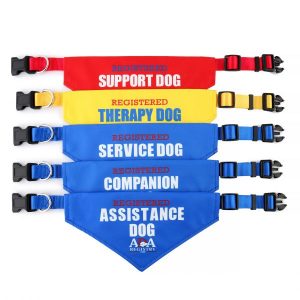
Service Dog Bandana
$39.95 Learn more This product has multiple variants. The options may be chosen on the product page
Custom ID Cards

Custom ID Cards
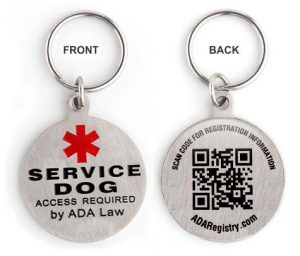
Custom Service Dog Tags
Official Dog Vests
Smart Vests
Official Public Access Kits
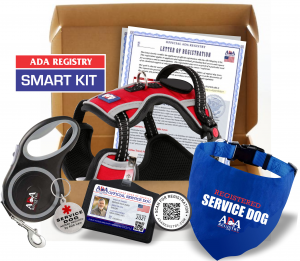
Complete Kits
USA & CANADA Letters
High Quality Bandanas
Service Dog Tags
Smart Tags

ESA TAGS