
Akita as a Therapy Dog

Register Any Breed
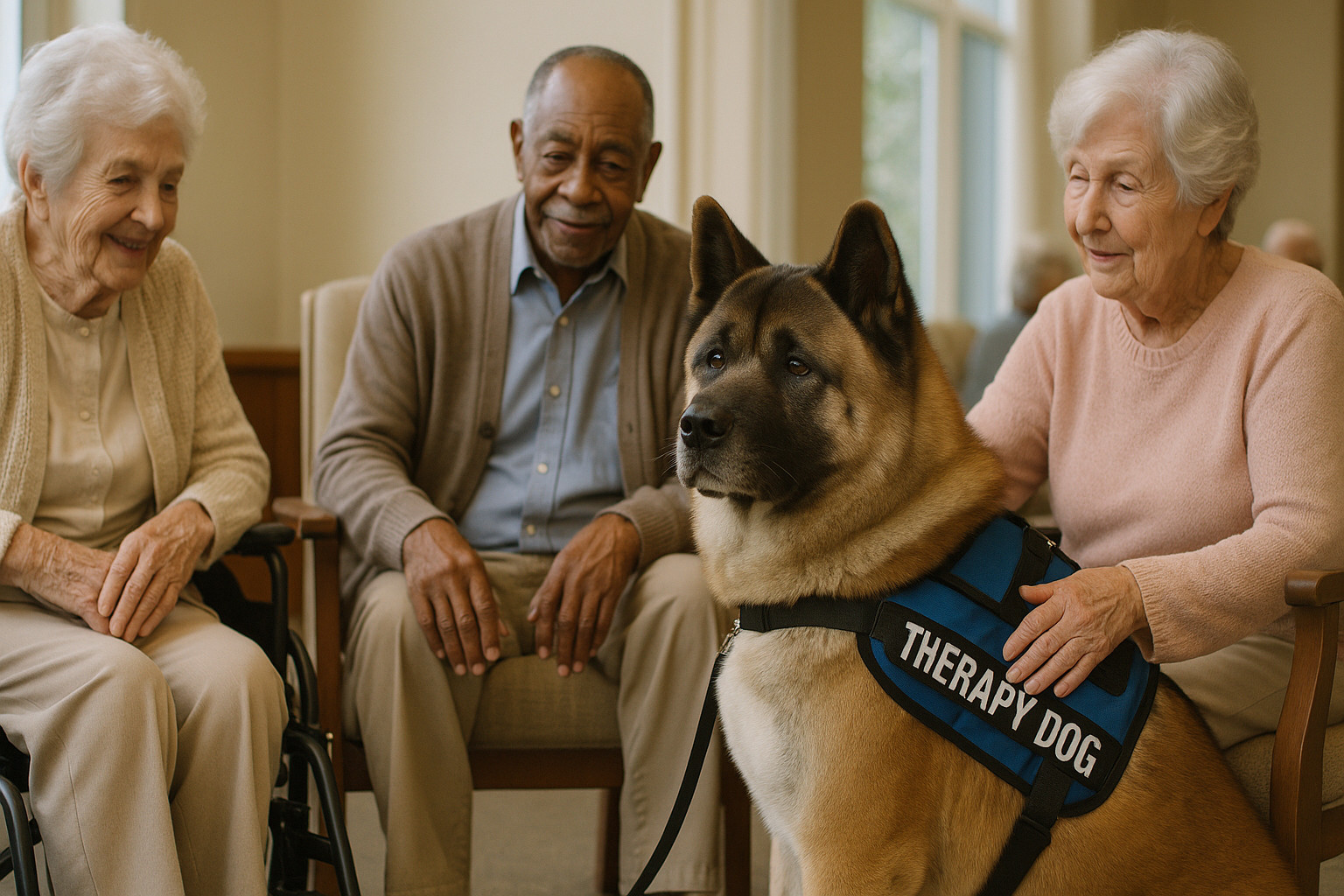
Therapy dogs play a crucial role in providing emotional and psychological support to individuals in various settings, ranging from hospitals to educational institutions. Among the different breeds used in animal-assisted therapy, the Akita stands out due to its unique combination of physical attributes and personality traits. This article delves into the Akita's potential as a therapy dog, examining its qualities and the environments where it excels.
Akita as a Therapy Dog Overview
In exploring the Akita's suitability as a therapy dog, it's essential to understand the breed's behavioral and physical characteristics. By analyzing these factors, we can determine how well an Akita may fit into the demanding role of a therapy dog.
Understanding the Therapy Dog Role
Therapy dogs are trained to offer comfort and affection to individuals in various settings. Unlike service dogs that perform specific tasks for their handlers, therapy dogs work with multiple people, providing emotional support and interaction. Successful therapy dogs must possess a calm demeanor, high adaptability, and strong empathy to thrive in different environments.
Physical Appearance and Energy Level
The Akita is a large, powerful breed known for its striking appearance, marked by a thick double coat, erect ears, and a curled tail. While their imposing stature may seem intimidating to some, their presence often evokes a sense of security and reassurance in therapy settings. Their moderate energy level aligns well with therapy work, allowing them to remain composed during sessions.
Personality and Emotional Intelligence
Akitas are known for their loyalty and strong protective instincts. These traits, coupled with their innate ability to gauge human emotions, make them effective at offering comfort to those in need. Their intelligence and sensitivity allow them to adapt to a wide range of emotional scenarios, whether providing companionship to isolation or soothing those experiencing anxiety.
Environments Where Akita Excels
The Akita's adaptability makes it versatile in various environments. Their calm and composed nature can be particularly comforting in stressful settings, such as hospitals or palliative care environments, where their quiet presence can be therapeutic for patients and families alike. Additionally, their strong, reassuring presence can be grounding in educational settings for children with special needs.
Common Therapy Settings
- Hospitals: Akitas can help reduce stress and anxiety among patients and visitors, especially in intensive care units.
- Schools: Their calming influence supports children dealing with emotional and behavioral challenges.
- Rehabilitation Centers: The breed’s patience aids in engaging individuals undergoing physical or psychological recovery.
- Nursing Homes: Their loyalty and intelligence help in forming deep, empathetic connections with elderly residents.
Interactions with Different Populations
Akitas interact well with various populations, from children to the elderly. Their gentle nature and ability to remain composed in the face of unpredictable behavior are advantageous when working with individuals experiencing emotional distress or cognitive impairments. However, supervision is crucial to ensuring safety, especially with children, due to the breed's size.
Register Any Breed
Health and Wellness Factors
Maintaining a therapy dog's health is pivotal for their efficacy in therapy work. Akitas can be susceptible to certain health issues that may affect their performance, emphasizing the need for regular veterinary check-ups. Ensuring they are physically capable of participating in therapy sessions is vital to avoid any disruption in their duties.
Lifespan and Common Health Issues
Akitas typically have a lifespan of 10 to 15 years. Common health issues include hip dysplasia, autoimmune diseases, and progressive retinal atrophy. These conditions can impact their capability to function as therapy dogs, requiring proactive management to maintain their well-being and therapeutic effectiveness.
Maintenance and Care Needs
Akitas require regular grooming to manage their dense coat, which can shed considerably. Regular grooming not only maintains their appearance but also minimizes allergens, crucial in settings like hospitals or schools. Meeting their physical and mental exercise needs is essential for maintaining their calm demeanor in therapy roles.
Training and Certification Readiness
Akitas respond well to consistent, positive reinforcement training methods. Their intelligence and eagerness to learn make them suitable candidates for therapy dog certification programs. By reinforcing obedience, socialization, and sensitivity to human emotions, trainers can enhance their efficacy in therapy roles.
Learning Style and Responsiveness
Due to their independent nature, Akitas learn best through engaging training sessions emphasizing consistency. Their responsiveness to training hinges on trust and mutual respect with their handler, which is crucial for their success in therapy settings.
Handling Social and Emotional Stimuli
Akitas are known for their acute ability to read social cues and adapt accordingly. Their strong bond with handlers aids them in navigating complex emotional environments, making them more effective in providing support. However, continuous exposure to high-stress environments requires monitoring to prevent burnout or anxiety.
Strengths, Limitations, and Ideal Roles for Akita
Strengths:
- High emotional intelligence and sensitivity
- Strong loyalty and calming presence
Limitations:
- Requires proper socialization and training
- Potential for health issues affecting therapy work longevity
Ideal Roles:
- Situations requiring a calming, supportive presence
- Environments that appreciate a strong, reassuring demeanor
Final Thoughts
The Akita's unique combination of strength, intelligence, and empathy positions it as a formidable candidate for therapy roles. While they require dedicated training and health management, their ability to provide comfort and support across various settings is noteworthy. With proper guidance, Akitas can thrive in therapy environments, making a significant difference in the lives of those they assist.
Key Takeaways for the Akita as a Therapy Dog
- Best suited for: Hospitals, rehabilitation centers, schools, and nursing homes
- Not ideal for: Settings requiring small, highly energetic dogs
- Temperament highlights: Calm, loyal, and emotionally intelligent
- Care and health notes: Requires regular grooming and proactive health management
- Therapy environments where they shine: Stressful environments needing a calming presence, providing comfort and emotional support


-
Public Access Kits
$149.00 Learn more This product has multiple variants. The options may be chosen on the product page -
Quick Ship Premium Vests
$48.00 – $82.00 Learn more This product has multiple variants. The options may be chosen on the product page -
Service Dog Bandana
$39.95 Learn more This product has multiple variants. The options may be chosen on the product page

Custom ID Cards

Custom ID Cards
Custom Service Dog Tags

Official Dog Vests

Smart Vests
Official Public Access Kits

Complete Kits
USA & CANADA Letters

High Quality Bandanas

Service Dog Tags

Smart Tags

ESA TAGS
