Alaskan Malamute as a Therapy Dog
Register Any Breed
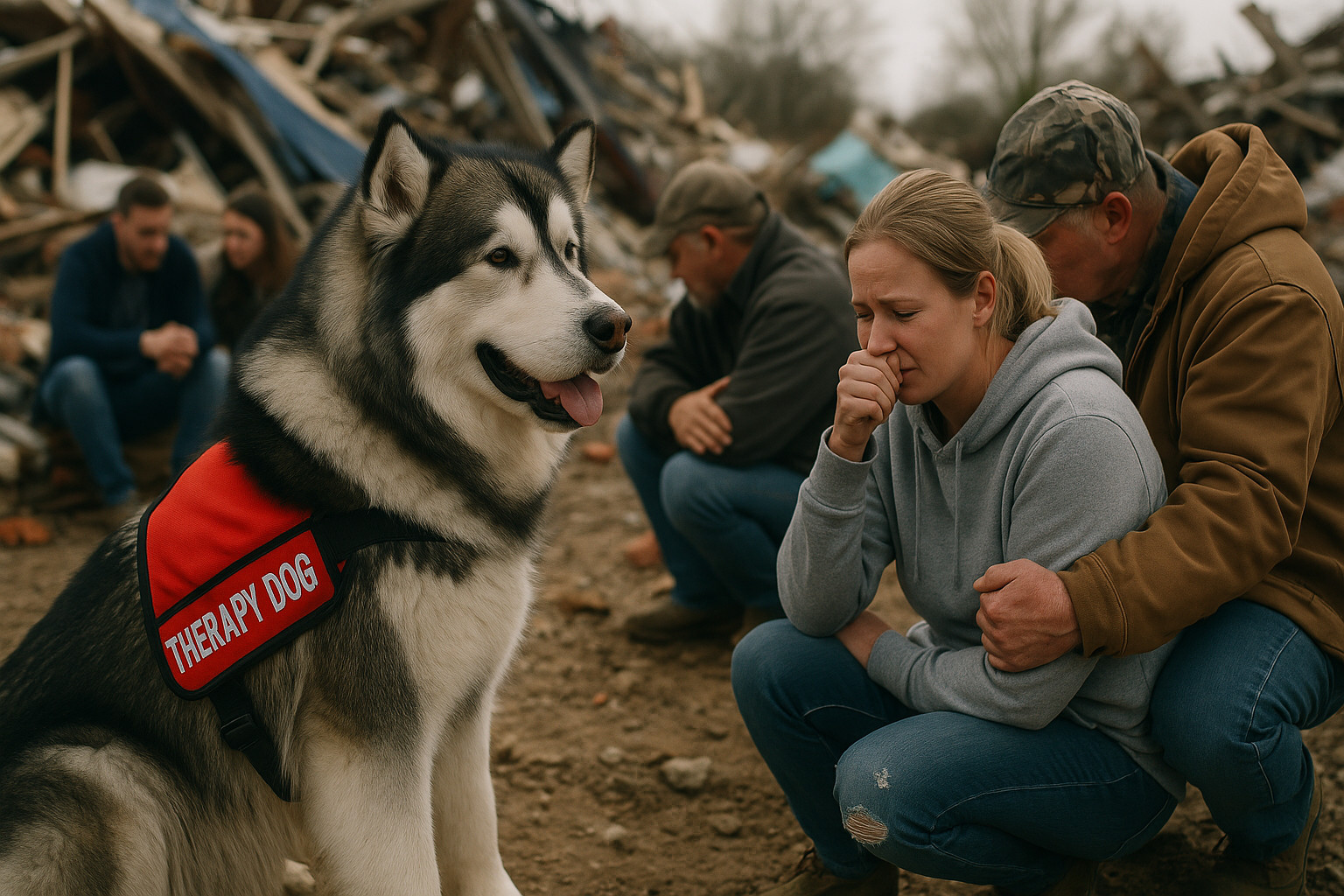
The Alaskan Malamute, a majestic and powerful northern dog breed, is often celebrated for its strength and endurance. However, its potential as a therapy dog is less commonly discussed. This article explores the suitability of Alaskan Malamutes for therapy dog roles, considering their temperament, physical attributes, training potential, and specific therapy settings they excel in.
Alaskan Malamute as a Therapy Dog Overview
Alaskan Malamutes are known for their loyalty, intelligence, and friendly demeanor. These traits can lend themselves well to therapy work if managed and directed appropriately.
Understanding the Therapy Dog Role
Therapy dogs provide emotional support and comfort in various settings such as hospitals, schools, and nursing homes. Unlike service dogs, who have a specific task-oriented duty, therapy dogs assist through their presence and interaction with individuals, bringing joy and alleviating stress.
The Alaskan Malamute's friendly nature and high social intelligence can help it excel in therapy roles. Their warm, inviting appearance and gentle disposition can comfort and calm those they interact with.
Physical Appearance and Energy Level
Alaskan Malamutes are large, strong dogs with a thick double coat. They are built for endurance in cold climates, so their energy levels are typically high. This robust physical presence can be comforting to some therapy recipients, as their size often provides a sense of security and solidity.
However, their energy levels require careful management, particularly in maintaining focus during therapy sessions. Regular exercise is essential to help these dogs keep their energy levels conducive to therapy work.
Personality and Emotional Intelligence
Alaskan Malamutes are known for their affectionate nature and keen sense of emotional awareness, essential traits for therapy dogs. They form strong bonds with humans and display a natural inclination to seek out and respond to emotional cues, providing support when needed.
Register Any Breed
Their empathy and playful spirit can bring joy and relieve stress for patients in recovery or those with mental health issues. However, the key to success as a therapy dog lies in consistent training to temper their sometimes independent nature.
Environments Where Alaskan Malamute Excels
Their size and friendly disposition make Malamutes well-suited for environments where tactile interaction is encouraged, such as:
- Schools: Their playful and gentle nature can help children feel at ease, making them ideal companions for young ones in educational settings.
- Rehabilitation Centers: Their strength and balance can aid in physical therapy exercises, providing physical stability or motivation.
- Community Centers: They can engage actively with various community members, providing companionship and entertainment during social events.
Common Therapy Settings
The Alaskan Malamute's adaptability allows it to thrive in many therapy settings:
- Hospitals: Their calming presence can help alleviate anxiety for patients undergoing treatment.
- Nursing Homes: Their gentle demeanor and steady presence can provide essential companionship and a sense of security for the elderly.
- Crisis Intervention: They can offer comfort during stress management scenarios, helping individuals cope with emotional turmoil.
Interactions with Different Populations
- Children: Malamutes are gentle giants with children, often showing great patience and a playful attitude.
- Seniors: Their calmness and capacity for forming lasting bonds make them wonderful companions for older adults.
- Individuals with Disabilities: Their physical strength can sometimes be leveraged to aid in mobility exercises, while their emotional sensitivity supports psychological well-being.
Health and Wellness Factors
Health and wellness are critical considerations for therapy dogs, ensuring they can safely and comfortably perform their duties.
Lifespan and Common Health Issues
Alaskan Malamutes have a lifespan of approximately 10-14 years. Common health problems include hip dysplasia and inherited polyneuropathy. Prospective therapy dog handlers must maintain regular veterinary check-ups, as any health issues can impact their ability to work effectively.
Maintenance and Care Needs
Their thick double coat requires regular grooming to avoid matting and skin issues, especially since contact with multiple persons could exacerbate any neglected grooming practices. Hydration and nutrition are also crucial, particularly given their high energy levels and potential for weight gain.
Training and Certification Readiness
Training an Alaskan Malamute for therapy work demands patience and perseverance. Their intelligence and eagerness to please can be great assets, but their independence may pose challenges.
Learning Style and Responsiveness
Malamutes learn best through consistent, positive reinforcement techniques:
- Reward-based Training: Use treats or affection to encourage good behavior.
- Socialization: Early socialization is essential to ensure they are comfortable and confident in diverse situations.
Handling Social and Emotional Stimuli
Their keen sensitivity to emotional states makes them responsive therapy companions. Malamutes are naturally attuned to emotional stimuli, often reacting with compassion and gentleness, which makes them effective in calming anxious or distressed individuals.
Strengths, Limitations, and Ideal Roles for Alaskan Malamute
Strengths:
- Strong emotional intelligence and empathetic nature.
- Friendly and welcoming demeanor.
- Physical strength for stability in certain therapeutic activities.
Limitations:
- High energy levels require thorough management.
- Independent streak needs careful training to ensure compliance.
- Requires significant grooming and maintenance.
Ideal Roles:
The Alaskan Malamute is best suited for roles involving interaction with individuals who can handle their size and energy, such as children and active seniors.
Final Thoughts
The Alaskan Malamute has significant potential as a therapy dog, given its friendly, empathetic nature and strong social bonds with humans. With appropriate training and care, they can thrive in a variety of therapeutic settings, providing comfort and joy to those in need.
Key Takeaways for the Alaskan Malamute as a Therapy Dog
- Best suited for: Active therapy environments where strength and empathy are valued, such as schools or rehabilitation centers.
- Not ideal for: Settings where low energy and small size are critical, such as small apartments or homes with limited space.
- Temperament highlights: Empathetic, gentle, social, and can offer emotional support.
- Care and health notes: Requires regular grooming and attention to potential health issues such as hip dysplasia.
- Therapy environments where they shine: Schools, community centers, and hospitals where their friendly presence is a boon.


-
Public Access Kits
$149.00 Learn more This product has multiple variants. The options may be chosen on the product page -
Quick Ship Premium Vests
$48.00 – $82.00 Learn more This product has multiple variants. The options may be chosen on the product page -
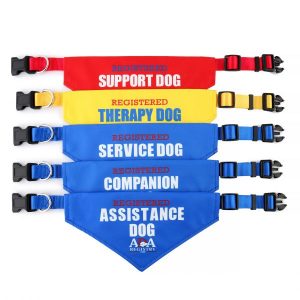
Service Dog Bandana
$39.95 Learn more This product has multiple variants. The options may be chosen on the product page
Custom ID Cards

Custom ID Cards
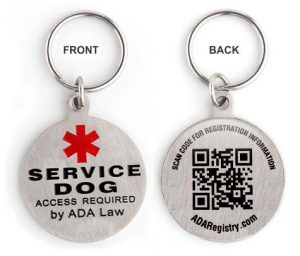
Custom Service Dog Tags
Official Dog Vests

Smart Vests
Official Public Access Kits
Complete Kits
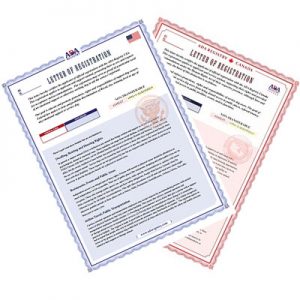
USA & CANADA Letters
High Quality Bandanas
Service Dog Tags
Smart Tags

ESA TAGS