Barbet as a Therapy Dog
Register Any Breed
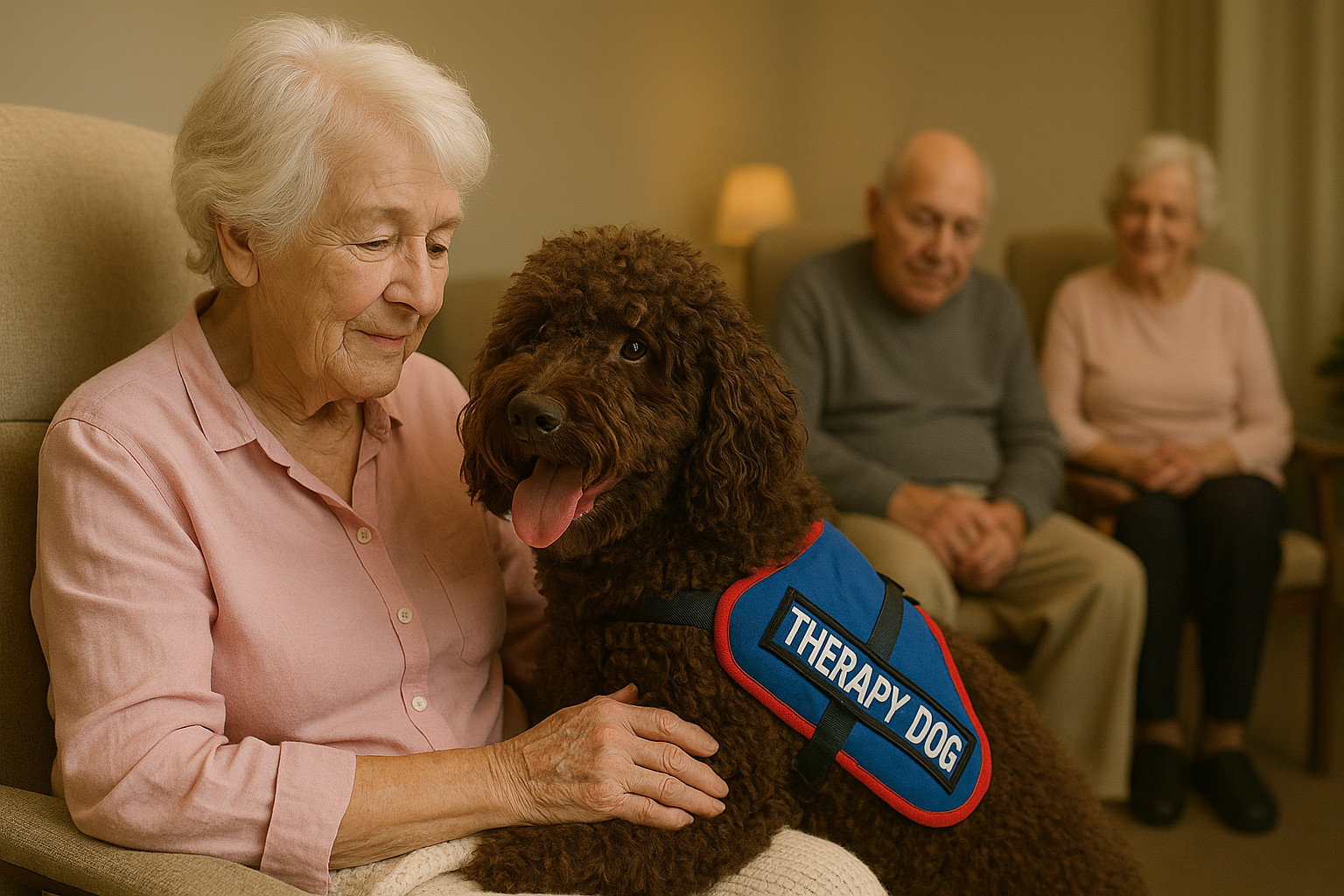
The Barbet, an affectionate and intelligent breed, holds significant potential in animal-assisted therapy roles. Known for its gentle disposition and ability to connect deeply with humans, this dog breed can become an exceptional therapy companion. This article provides a comprehensive evaluation of the Barbet's suitability as a therapy dog, focusing on its temperament, physical attributes, and emotional intelligence.
Barbet as a Therapy Dog Overview
Understanding the potential of the Barbet in a therapy setting involves delving into several factors that influence their effectiveness. These include their physical and emotional traits, adaptability, and interactions with various populations.
Understanding the Therapy Dog Role
Therapy dogs offer emotional support and comfort to people, enhancing their psychological well-being. The role of a therapy dog is distinct from service or working dogs; they are primarily companions who provide relief and joy through presence and interaction. The Barbet's history as a waterfowl retriever contributes to its skill set, including patience and loyalty, which are essential in therapy contexts. Their friendly demeanor and strong desire to connect with people make them particularly suited for this role.
Physical Appearance and Energy Level
The Barbet is a medium-sized dog with a distinctive curly coat. This coat, while beautiful, requires regular maintenance, ensuring it remains neat and does not pose a hygiene issue in clinical settings. Generally, their physical stature is non-intimidating — an important aspect since therapy dogs must be approachable. The breed's moderate energy level is balanced, allowing them to engage actively without overwhelming frail patients or children. Their stamina supports prolonged interaction sessions, crucial in environments like rehabilitation centers.
Personality and Emotional Intelligence
The Barbet is renowned for its empathetic nature, showing a high degree of emotional intelligence. They have an innate ability to sense human emotions, responding with affection and calmness. This breed thrives on social interaction, displaying a nurturing attitude that is both comforting and stabilizing. Their gentle temperament ensures they remain composed even in chaotic environments, such as children's hospitals, where calmness is an asset.
Environments Where Barbet Excels
Barbets excel in varied environments due to their adaptability and eagerness to engage. They are particularly successful in:
- Hospitals and Clinics: Their calm demeanor soothes patients, reducing anxiety and offering emotional relief.
- Educational Settings: Their friendly nature and patience aid in supporting students with special needs, providing both motivation and companionship.
- Rehabilitation Centers: Their persistence and loyalty give patients the emotional boost needed during long recovery processes.
Common Therapy Settings
The Barbet’s versatility makes it an excellent choice for a range of therapy settings:
Register Any Breed
- Assisted Living Facilities: Providing comfort to elderly residents, enhancing mood, and reducing loneliness.
- Mental Health Facilities: Helping to break the cycle of depression and anxiety by offering unconditional love and non-judgmental interaction.
- Veteran Centers: Assisting veterans in coping with PTSD and other emotional traumas through supportive companionship.
Interactions with Different Populations
Barbets are incredibly adept at interacting across diverse demographic groups. Their gentle nature and patience make them ideal for working with children, including those with disabilities, as well as adolescents and adults with mental health challenges. Their intuition allows them to adapt their behavior based on the needs of the individual, providing personalized comfort. They also excel in settings involving the elderly, where consistency and calm interaction are key.
Health and Wellness Factors
When considering a Barbet for therapy work, their health and wellness are paramount. Regular veterinary check-ups and vaccinations are essential to ensure they are always in optimal health. The breed is known for its resilience but must be monitored for specific issues such as hip dysplasia.
Lifespan and Common Health Issues
The Barbet usually enjoys a lifespan of 12 to 15 years when provided with appropriate care. While generally healthy, they are predisposed to some hereditary conditions, including:
- Hip Dysplasia: A common issue requiring vigilance and proper management.
- Ear Infections: Due to their love for water, maintaining ear hygiene is integral to prevent infections.
- Allergic Conditions: Occasional skin allergies necessitate regular grooming and appropriate diet management.
Maintenance and Care Needs
The breed's dense, curly coat requires frequent grooming to prevent matting and maintain hygiene standards suitable for therapy environments. Brushing a few times a week and professional grooming every month or two will keep them comfortable and presentable. Regular baths, combined with teeth brushing and nail trimming, are crucial to their overall health and readiness for therapy work.
Training and Certification Readiness
Training a Barbet for therapy work is rewarding due to their eager-to-please nature and intelligence. The journey involves:
- Socialization Training: Early exposure to diverse environments and individuals helps them become well-rounded adults.
- Obedience Training: Mastery of basic commands ensures they remain well-behaved during therapy sessions.
- Certification Preparation: Preparing for therapy certification includes meeting health standards and proving their capability in handler-supervised scenarios.
Learning Style and Responsiveness
Barbets possess a highly responsive and adaptive learning style. They thrive under positive reinforcement, eagerly responding to praise and treats. Their challenge lies in rigorous obedience commands required for therapy work, where patience and consistency are crucial for effective learning.
Handling Social and Emotional Stimuli
One of the Barbet's strengths is their richness in handling varied social and emotional stimuli. Their sensitivity allows them to respond appropriately to the emotions of individuals they interact with. They cope well under pressure, making them reliable in fast-paced or emotionally charged therapy sessions.
Strengths, Limitations, and Ideal Roles for Barbet
Strengths of the Barbet as a therapy dog include:
- Empathy and Intuition: High levels of emotional intelligence make them attentive companions.
- Adaptability: They adjust to different environments and emotional needs seamlessly.
- Calmness: Their ability to remain composed is beneficial in most therapy settings.
However, their suitability is limited in high-stress or overly stimulating environments where a calm, predictably paced atmosphere is not maintained. Choosing the right therapy setting and role enriches both the Barbet's experience and those they assist.
Final Thoughts
In conclusion, the Barbet's loyalty, compassion, and adaptability make it an exceptional candidate for therapy dog roles. With the proper care, training, and environmental adjustments, they can serve as a remarkable support system for individuals needing therapy through animal-assisted interventions.
—
Key Takeaways for the Barbet as a Therapy Dog
- Best suited for: Hospitals, education environments, rehabilitation centers, assisted living facilities.
- Not ideal for: High-stress environments or settings with frequent overstimulation.
- Temperament highlights: Empathetic, calm, adaptable, friendly, patient.
- Care and health notes: Regular grooming, vigilance over specific health issues, and consistent veterinary care.
- Therapy environments where they shine: Situations requiring calm presence, emotional support, and consistent, friendly interaction.
This guide aims to assist prospective therapy dog trainers and healthcare professionals in understanding how a Barbet can be integrated effectively into therapeutic roles, ensuring successful outcomes for the people they serve.


-
Public Access Kits
$149.00 Learn more This product has multiple variants. The options may be chosen on the product page -
Quick Ship Premium Vests
$48.00 – $82.00 Learn more This product has multiple variants. The options may be chosen on the product page -
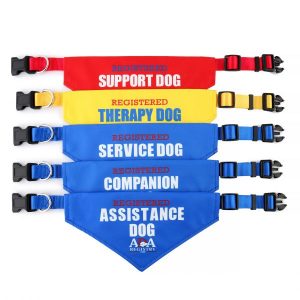
Service Dog Bandana
$39.95 Learn more This product has multiple variants. The options may be chosen on the product page
Custom ID Cards

Custom ID Cards
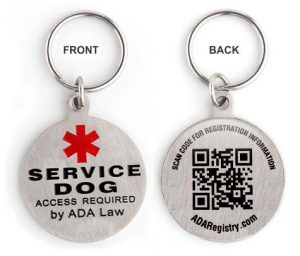
Custom Service Dog Tags
Official Dog Vests

Smart Vests
Official Public Access Kits
Complete Kits
USA & CANADA Letters

High Quality Bandanas
Service Dog Tags
Smart Tags

ESA TAGS