Beagle as a Therapy Dog
Register Any Breed
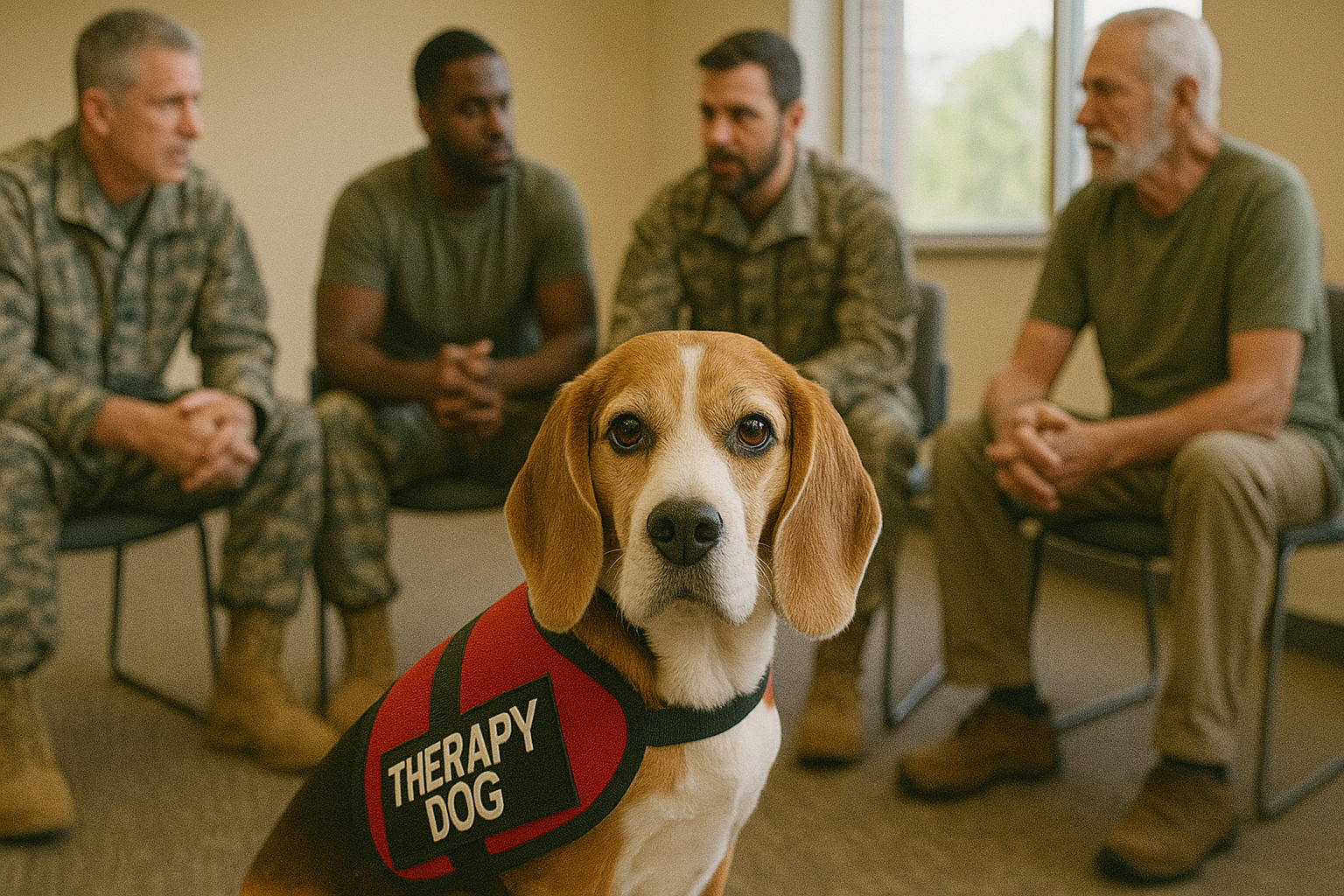
The Beagle, known for its playful and gentle nature, stands out as an excellent candidate for therapy dog roles. Therapy dogs are unique; their primary mission is to provide comfort, emotional support, and smiles to people in various settings such as hospitals, schools, rehabilitation centers, and nursing homes. Understanding specific breeds' strengths and how they align with therapy work is vital in selecting the right dog for the task. This article delves into how Beagles fit into the therapy role efficiently, exploring their temperament, physical attributes, and training needs.
Beagle as a Therapy Dog Overview
Understanding the Therapy Dog Role
Therapy dogs, unlike service dogs, focus on bringing joy and alleviating stress or loneliness in human interactions. These interactions are non-task-based and emphasize gentle, calming presence over specific duties. Beagles excel in this due to their warm disposition and natural sociability.
Physical Appearance and Energy Level
Beagles are medium-sized dogs with a compact, muscular build and distinctive long ears. Their size makes them non-threatening and easy to manage in indoor settings like hospitals or schools. Despite their high energy level, Beagles demonstrate an ability to modulate their activity, offering versatility in both active and calm therapeutic engagements.
Personality and Emotional Intelligence
The Beagle's approachable and friendly nature contributes greatly to their potential as therapy dogs. Known for their amiable demeanor and inherent curiosity, they possess a level of empathy crucial for therapy work. The breed's emotional intelligence allows them to pick up on human emotions, often providing comfort simply through their presence.
Environments Where Beagle Excels
The adaptability of a Beagle makes it suitable for various environments. Beagles perform exceptionally well in:
- Healthcare Facilities: These environments benefit from the Beagle's ability to offer emotional upliftment, crucial for recovery and mental health improvement.
- Educational Settings: Their gentle nature makes them effective in reducing anxiety or stress among students.
- Rehabilitation Centers: Beagles can provide encouraging companionship for patients undergoing physical therapy or mental rehabilitation.
Common Therapy Settings
Beagles are flexible, thriving in diverse therapy settings due to their temperament. Their ability to balance their spirited nature with calmness makes them popular in:
- Hospitals and Clinics: As companions, they help lower patient stress and anxiety.
- Elder Care Homes: They bring joy and companionship to residents, many of whom are often lonely.
- Special Needs Schools: Their friendly nature makes them approachable and engaging for children with autism or sensory issues.
Interactions with Different Populations
Beagles show remarkable empathy across various demographics. They adapt well to children's exuberance and elderly calmness, often tailoring their interactions to match humans' energy levels. This adaptability and gentleness make them suitable for all ages, contributing positively to mental and emotional well-being.
Register Any Breed
Health and Wellness Factors
A Beagle's overall health affects its therapy dog capabilities. Regular veterinary check-ups are essential to ensure their wellbeing and, consequently, their availability for therapy visits. Their size and build also require minimal maintenance in terms of grooming, supporting their active involvement in therapy environments.
Lifespan and Common Health Issues
Beagles typically have a lifespan of 12 to 15 years, which allows for a long-term therapeutic partnership. Common health issues such as hip dysplasia, epilepsy, or allergies should be managed early to maintain service capability. Responsible breeding and regular vet visits help in minimizing these concerns.
Maintenance and Care Needs
Regular grooming is vital to maintain a Beagle's sleek coat and prevent infections, especially in their signature floppy ears. Proper nutrition and exercise keep them in peak condition, ensuring stable energy levels during therapy sessions. This maintenance supports their role, where cleanliness and health are directly linked with therapy success.
Training and Certification Readiness
Beagles are intelligent and responsive, making them suitable candidates for therapy dog training. Their eagerness to please and attentiveness facilitates the learning of basic commands and social interactions necessary for certification. Consistent, gentle training helps tap into their potential for structured therapy work.
Learning Style and Responsiveness
Training a Beagle requires patience and understanding of their occasional stubborn streak. Positive reinforcement strategies work best, leveraging their food-driven nature and desire for affection. Beagles' problem-solving skills and quick learning ability make them reliable therapy dogs once trained under specialized therapy programs.
Handling Social and Emotional Stimuli
Beagles are poised in varied stimuli and environments, thanks to their acute scent-driven focus and intrinsic calmness. They accommodate different stimuli by remaining calm, creating an environment of tranquility important in therapeutic settings.
Strengths, Limitations, and Ideal Roles for Beagle
While Beagles excel in offering companionship and joy, potential limitations include their stubbornness and high energy if not managed. Ideal roles for Beagles include participating in pet-friendly therapy programs where they can frequently interact with people, maximizing their sociable nature.
Final Thoughts
When tailored to therapy roles, Beagles are an asset, bringing unique qualities to therapeutic settings. Their empathy, adaptability, and jovial character make them outstanding in providing emotional support across various environments. While there are challenges, they are minimal when weighed against the joy and satisfaction Beagles bring into therapy lives.
Key Takeaways for the Beagle as a Therapy Dog
- Best suited for: Hospitals, schools, elder care homes, rehabilitation centers.
- Not ideal for: Environments requiring low-energy or hypoallergenic breeds.
- Temperament highlights: Friendly, empathetic, adaptable.
- Care and health notes: Regular grooming and health checkups; watch for common Beagle-specific health issues.
- Therapy environments where they shine: Areas requiring personable, interactive visits that enhance emotional well-being.


-
Public Access Kits
$149.00 Learn more This product has multiple variants. The options may be chosen on the product page -
Quick Ship Premium Vests
$48.00 – $82.00 Learn more This product has multiple variants. The options may be chosen on the product page -
Service Dog Bandana
$39.95 Learn more This product has multiple variants. The options may be chosen on the product page
Custom ID Cards

Custom ID Cards
Custom Service Dog Tags

Official Dog Vests

Smart Vests
Official Public Access Kits
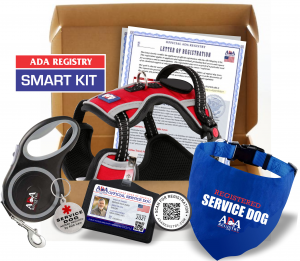
Complete Kits
USA & CANADA Letters

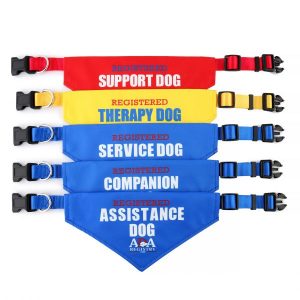
High Quality Bandanas
Service Dog Tags
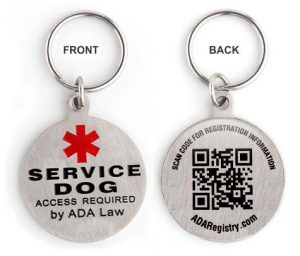
Smart Tags

ESA TAGS